Friday night worked because it told us who we were allowed to be for a few hours. Less productive. More present. Fully off duty.
There was a time when Friday night didn’t blur into the rest of the week.
You felt it in your body around 3 p.m. at school.
You heard it in the way adults spoke differently after work.
You tasted it in the food that only showed up at the end of the week.
Friday night used to mean something.
Not because life was easier or people were happier, but because we had rituals.
Clear lines between work, school, and rest.
Little traditions that signaled: you made it.
You can exhale now.
Looking back, the 90s were quietly great at this.
Not perfect.
Just intentional in ways we’ve mostly forgotten.
Here are ten Friday night traditions from the 90s that made weekends feel like real events worth waiting for.
1) Ordering pizza like it was a ceremonial act
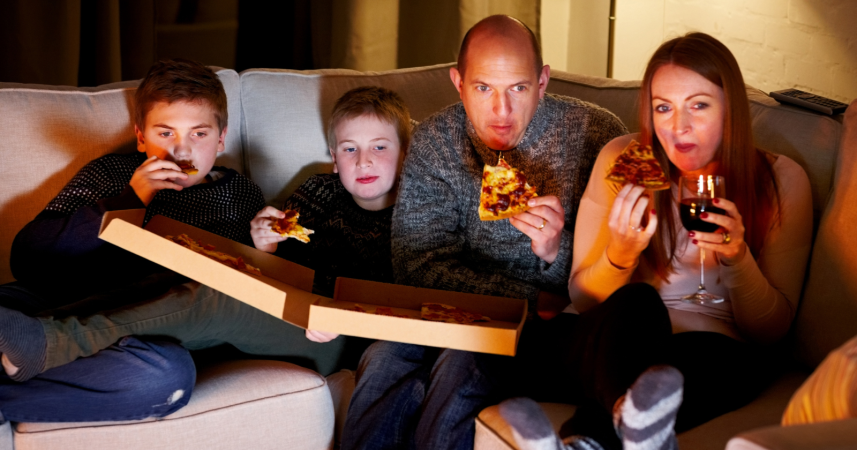
Pizza night wasn’t just dinner. It was a process.
You debated toppings.
You argued about half-and-half.
Someone called it in, and that phone call felt oddly important.
No apps. No tracking. Just faith.
Then you waited.
That waiting mattered.
It built anticipation.
When the doorbell rang, everyone looked up.
Plates came out. The box hit the table. Steam escaped.
It was communal in a way that feels rare now.
In hospitality, we talk a lot about pacing and buildup.
Pizza night nailed both without trying.
The food tasted better because it arrived at the exact moment your brain had decided the week was officially over.
2) Going to the video rental store
If you grew up in the 90s, you remember the weight of disappointment when the last copy was gone.
Video rental stores turned Friday night into a quest.
You walked the aisles. You judged movies by their covers. You negotiated with siblings.
You took risks on films you knew nothing about.
And once you chose, that was it.
No instant switching. No scrolling paralysis. You committed.
That commitment is what made movie night feel special.
You planned snacks around it.
You watched the whole thing, even if it was bad.
Especially if it was bad.
There’s a lesson here about choice overload.
Sometimes, fewer options create better experiences.
3) TGIF on network television
Friday night TV was an event because it happened once and only once.
Shows like Full House, Family Matters, and Boy Meets World weren’t just entertainment.
They were appointments.
Miss it, and you were out of the loop until reruns saved you months later.
Families gathered without calling it bonding.
The couch filled up.
Commercials were bathroom breaks.
Catchphrases entered school hallways the next Monday.
As someone who spends a lot of time thinking about attention, this feels almost radical now.
We weren’t multitasking.
We weren’t half-watching.
We were present because we had no alternative.
4) The quiet thrill of staying up later than usual
Friday night had different rules.
Bedtimes loosened.
Parents looked the other way.
Staying up late felt rebellious even when you were just watching TV or playing games in the living room.
That small shift mattered.
It told your nervous system that time had changed.
Responsibilities were paused.
Tomorrow didn’t demand anything from you.
Even now, as an adult, I notice how powerful this is.
Changing your schedule slightly can reset your mindset.
It’s a simple cue that work mode is off, and life mode is on.
5) Family dinners that didn’t feel rushed
Weeknight dinners were functional.
Friday dinners were intentional.
Whether it was takeout, something grilled, or a recipe that took longer than usual, there was a sense that time had expanded.
No one was rushing to finish homework or get to bed.
Conversation lingered.
Dessert appeared.
Someone poured a second drink.
Coming from a food and hospitality background, I see how rare this is now.
Meals without urgency are where connection actually happens.
The 90s weren’t perfect at this, but Fridays got it right more often than not.
6) Sleepovers and unstructured hanging out
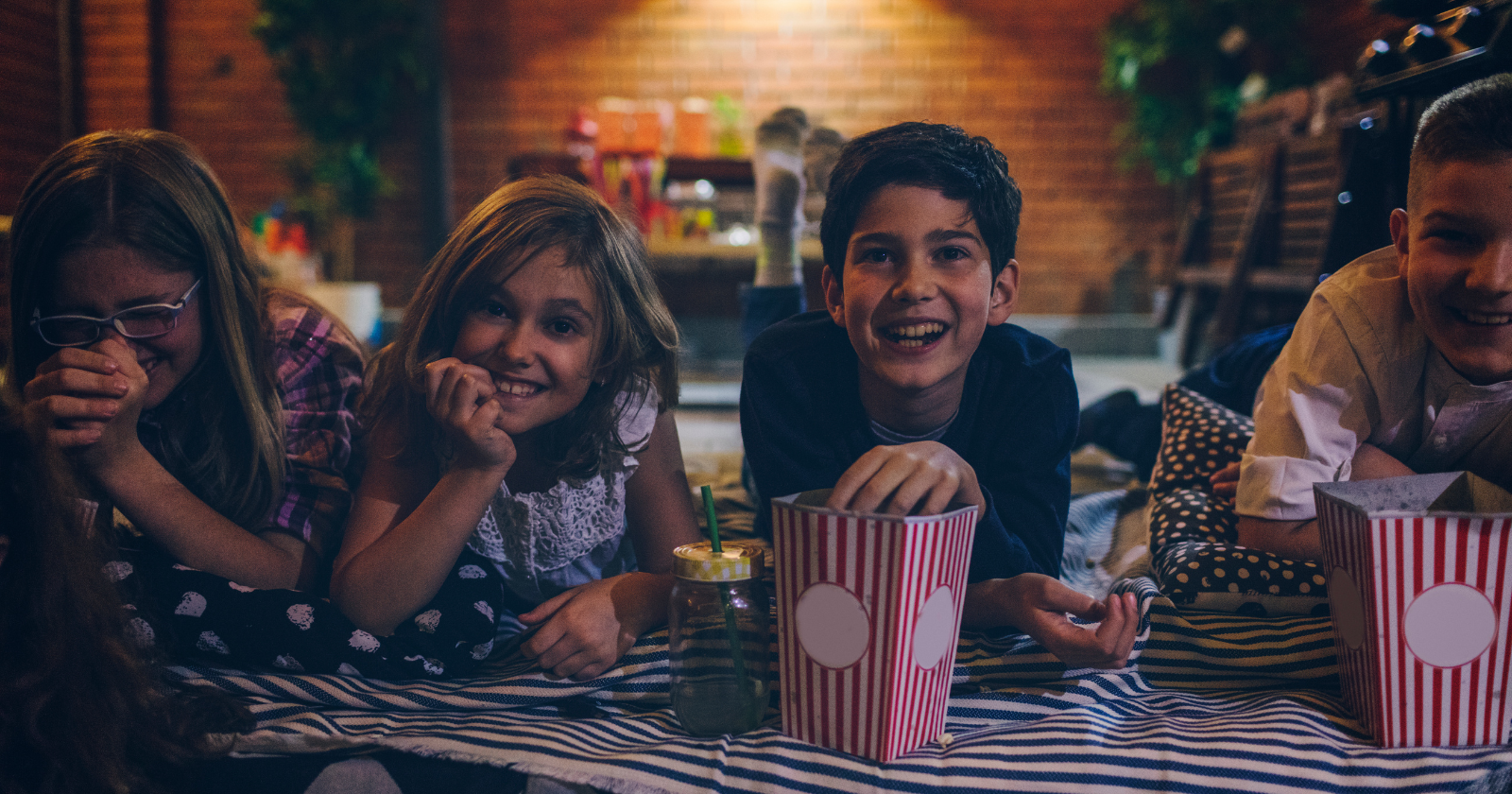 Friday night was prime time for sleeping over or having friends crash at your place.
There was no agenda. No itinerary.
You played games. You watched nonsense. You talked until you fell asleep mid-sentence.
Unstructured time is where relationships deepen.
Psychologists talk about the importance of boredom for creativity and bonding.
We had plenty of it, and somehow it never felt empty.
Today, even social time gets optimized.
Back then, Friday night just asked one question: who are you hanging out with, and how late can you stay up?
7) Browsing malls or record stores with no real goal
Sometimes Friday night meant going out just to wander.
Malls. Music stores. Bookshops.
You didn’t need to buy anything.
You were there to see and be seen.
To flip through CDs. To read liner notes. To try on jackets you wouldn’t purchase.
It was consumption without pressure.
There’s something grounding about physical browsing.
Your body moves. Your senses engage. You stumble onto things you didn’t know you wanted.
In a world of algorithms telling us what we should like, those aimless Friday nights taught us how to discover instead of being fed.
8) Junk food that only showed up on weekends
Certain foods were reserved for Friday night.
Soda. Chips. Candy. Frozen snacks.
They weren’t everyday items, which made them feel special instead of mindless.
Restriction created excitement.
And because these foods were occasional, they didn’t carry guilt.
They were treats, not habits.
As someone who writes about food and living better, I think this is underrated.
When indulgence has a time and place, it becomes joyful instead of compulsive.
9) Planning the rest of the weekend
Friday night was also when you looked ahead.
You talked about Saturday.
You made loose plans.
You decided who you’d see and what you’d do.
This wasn’t productivity.
It was anticipation.
Research shows that looking forward to experiences can bring as much happiness as the experiences themselves.
Friday night captured that perfectly. The weekend felt longer because it started in your head before it started on the clock.
10) The feeling that work and school were truly over
Finally, there was a psychological line that Friday night drew very clearly.
No emails. No group chats. No expectations to be reachable.
Once the night began, you were off the grid by default.
That boundary is what made everything else work.
Without it, pizza is just dinner.
TV is just background noise.
Staying up late is just exhaustion.
The 90s didn’t have better discipline.
They had better separation.
And separation is what allows rest to actually feel like rest.
The bottom line
We don’t need to recreate the 90s to learn from them.
But we do need rituals.
Friday night worked because it told us who we were allowed to be for a few hours.
Less productive. More present. Slightly indulgent.
Fully off duty.
You can still build that today.
A specific meal. A show you only watch once a week. A hard stop to work. A rule about your phone.
The details matter less than the signal.
When you give your brain a clear marker that the week is over, weekends stop slipping through your fingers.
They turn back into something you feel, not just something you survive.
And that’s something worth bringing back.
If You Were a Healing Herb, Which Would You Be?
Each herb holds a unique kind of magic — soothing, awakening, grounding, or clarifying.
This 9-question quiz reveals the healing plant that mirrors your energy right now and what it says about your natural rhythm.
✨ Instant results. Deeply insightful.