Motherhood changes you in ways no one talks about, and sometimes the hardest part isn’t the sleepless nights, it’s remembering who you were before.
When I started asking women what they wished they’d known before having kids, I expected a mix of clichés like sleep while you can, cherish every moment, it goes by fast.
What I didn’t expect was how raw the answers would be.
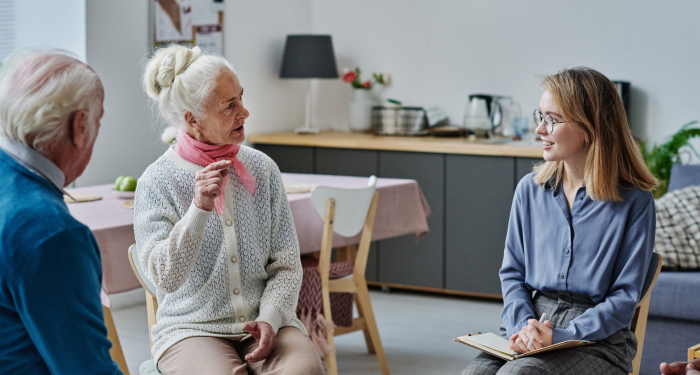
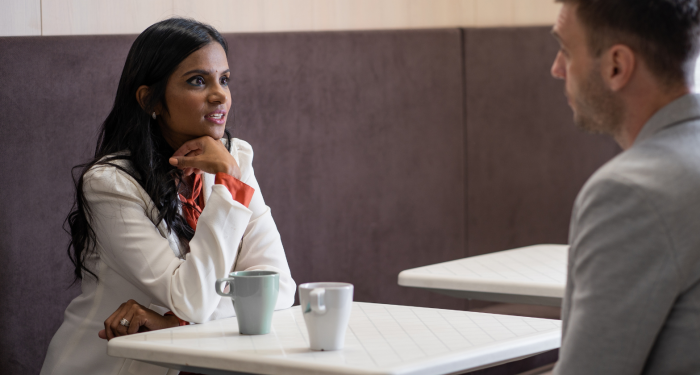
Fifty women, ranging from twenty-eight to seventy, opened up about the parts of motherhood that don’t make it into baby books: the identity loss, the invisible labor, the guilt, the joy that sometimes felt stolen by exhaustion.
Some spoke through tears. Others laughed in that way people do when they’re remembering something both beautiful and brutal.
What emerged wasn’t bitterness. It was truth, honest, unfiltered, and deeply human. And while every story was unique, one theme echoed again and again beneath their words.
It wasn’t about sleep deprivation, finances, or discipline strategies. It was about selfhood and how easily it slips away when you become a mother.
The myth of “you’ll just know what to do”
“I thought I’d hold my baby and just know what to do,” one woman told me. “Instead, I sat on the edge of the bed and cried because I had no idea what I was doing.”
Almost every mother laughed or winced when I brought up “maternal instinct.” The truth? It’s rarely instant.
We talk about instinct as if it’s some built-in GPS that activates at birth. But for many women, it’s more like learning to read a new map while blindfolded. You fumble, guess, and sometimes get it wrong, and then feel guilty for not being “a natural.”
One mother said she wished she’d known that parenting skills are learned, not inherited. “I thought I was missing some inner switch. I wasn’t. I was just human.”
That distinction matters. Because when we treat motherhood as instinctual, we erase how much of it is work, emotional labor, self-education, and trial-and-error courage.
The identity shock no one warns you about
Every mother I spoke to described some version of identity whiplash. “You spend years becoming someone, studying, building a career, nurturing friendships, and then overnight, it’s like all of that gets overshadowed by one word: mom.”
It’s not that they didn’t love being mothers. It’s that they didn’t expect to lose sight of the person they were before.
One woman said, “I remember looking in the mirror after my first child was born and thinking, ‘Where did I go?’ Not physically, but me. The me who loved hiking, staying out late, or reading a book uninterrupted.”
That sense of erasure isn’t vanity. It’s existential. Motherhood doesn’t just add a role; it rewrites your internal script. Suddenly, your worth feels tethered to someone else’s wellbeing.
Research indicates that roughly 62% of new mothers report feeling like they’ve lost part of their identity since becoming a mom.
And for many, the rediscovery of self takes years, often starting only after the kids grow up and the silence in the house gets too loud.
The invisible emotional load
One of the most universal responses I heard was about the mental weight of parenting.
“I expected the sleepless nights,” one mom said. “I didn’t expect the 24/7 mental checklist that comes with keeping a tiny human alive.”
Who needs what for lunch? Did I sign that permission slip? Why is the baby quiet, is that good or bad?
Even in households with supportive partners, most women still carried what psychologists call the cognitive load, the invisible management of everyone’s emotions, schedules, and needs.
This kind of emotional labor doesn’t just tire you out; it fragments your attention. It makes solitude feel like luxury, and rest feel like rebellion.
“I wish someone had told me,” one woman said, “that mental exhaustion would be worse than physical tiredness. You can nap away fatigue, you can’t nap away worry.”
The pressure to love every moment
Almost half the women confessed they’d felt guilty for not loving every stage of motherhood. “Everyone said, ‘You’ll miss this one day,’” one told me. “But I didn’t miss the 3 a.m. feedings. I missed sleep.”
Motherhood culture is steeped in toxic positivity, the idea that “real moms” should cherish every second. But real life is far messier. You can adore your child and still feel overwhelmed, lonely, or bored.
As Rudá Iandê writes in his book Laughing in the Face of Chaos, “When we let go of the need to be perfect, we free ourselves to live fully, embracing the mess, complexity, and richness of a life that’s delightfully real.”
That insight hit home for me. Motherhood, like any deep human experience, is paradoxical. It’s love and frustration, awe and grief, expansion and loss. The women who seemed most at peace weren’t the ones who “loved every moment.” They were the ones who gave themselves permission not to.
The loneliness that sneaks up on you
“You’re never alone, and yet you’ve never felt lonelier.” That’s how one woman described her early years of parenting.
You spend your days surrounded by tiny humans who depend on you completely, yet no one’s asking how you are. The adult conversations fade, the spontaneous social life disappears, and suddenly your world shrinks to nap schedules and grocery lists.
“I remember crying in the car one day,” a mom of two shared. “Not because anything was wrong, but because no one had said my name all day. I was just ‘Mom.’”
Loneliness in motherhood isn’t rare; it’s chronic. And it’s worsened by the belief that you should be grateful all the time. But connection isn’t selfish; it’s survival.
The women who thrived long-term were the ones who built communities: parenting groups, creative outlets, therapy circles, spaces where they could be seen as people, not just caregivers.
The marriage shift no one anticipates
Even women with strong marriages said having kids changed everything. “We stopped being partners and started being project managers,” one woman joked, half seriously.
The arrival of children shifts the axis of a relationship. Priorities realign, tempers shorten, and intimacy can become an afterthought. Several women admitted that their relationship issues didn’t start because of the kids, but they became impossible to ignore afterward.
One said, “I wish I’d known that love alone isn’t enough. You need systems, communication, division of labor, intentional time together, or the resentment builds silently.”
Marriage after kids requires active tending. Without it, partnership turns into parallel parenting.
According to relationship expert writing for Focus on the Family, “When kids come along, you’ll have to work harder at keeping your relationship strong and healthy. You’ll have to become intentional about connecting.”
The couples who made it through weren’t necessarily calmer; they were curious. They asked, “What do you need now? What do I need?” It’s not about getting it right; it’s about staying in conversation.
The body you never quite get back
A few women brought up something rarely spoken about without shame, the grief around their post-baby bodies.
“It’s not about vanity,” one clarified. “It’s about feeling foreign in your own skin.”
Pregnancy, birth, and breastfeeding transform your body in irreversible ways. Stretch marks, changed hormones, chronic fatigue, it’s a complete rewiring. And yet women are told to “bounce back,” as if the body that created life should look untouched by it.
Several said they wished they’d known that acceptance, not recovery, was the real goal.
As Rudá Iandê reminds us in Laughing in the Face of Chaos, “Your body is not just a vessel, but a sacred universe unto itself, a microcosm of the vast intelligence and creativity that permeates all of existence.”
That perspective reframes everything. The body isn’t damaged; it’s transformed.
The regret that kept surfacing
When I asked what they regretted most, one answer came up again and again: “I wish I hadn’t lost myself in motherhood.”
Not dramatically. Subtly. Slowly. Through a thousand small sacrifices, skipping the yoga class, shelving the passion project, postponing dreams until the kids are older.
“I thought being selfless made me a better mom,” one said. “Now I realize my kids needed to see me alive, not just available.”
That sentiment echoed through nearly every conversation. The regret wasn’t about having kids; it was about disappearing inside the role.
Motherhood, they said, shouldn’t mean abandoning yourself. It should expand who you are. But that requires permission, to take breaks, to say no, to remember that your needs are valid, too.
And that’s the message these women wished they’d heard before becoming mothers: You are allowed to evolve. You are allowed to need. And you are allowed to matter.
What I took away
Listening to these women, I kept thinking about something I read in Laughing in the Face of Chaos: “The greatest gift we can give to ourselves and to each other is the gift of our own wholeness, the gift of our own radiant, unbridled humanity.”
That’s what these women were longing for, wholeness. Not perfection. Not constant joy. Just the freedom to be full humans while raising other humans.
We talk about motherhood as sacrifice, but maybe the wiser frame is integration, learning to fold your dreams, body, and truth into the experience rather than cutting them out of it.
Because one day, those kids will grow up. And when they do, the person left standing deserves to feel like more than a shadow of who she once was.
Final thoughts
What struck me most in these conversations wasn’t the regret, it was the resilience. Every woman I spoke to had eventually found her way back to herself, piece by piece.
Some through therapy. Some through rediscovering their careers. Some through small, quiet acts of rebellion, taking a walk alone, saying no without apology, picking up the guitar after twenty years.
They learned that selfhood doesn’t end with motherhood; it just requires tending. And the mothers who seemed happiest weren’t the ones who did it all. They were the ones who finally stopped trying to.
Because at its core, motherhood isn’t about perfection. It’s about presence, with your children, yes, but also with yourself.
And maybe that’s the secret these fifty women were pointing toward: To raise whole children, you have to stay whole, too.
If You Were a Healing Herb, Which Would You Be?
Each herb holds a unique kind of magic — soothing, awakening, grounding, or clarifying.
This 9-question quiz reveals the healing plant that mirrors your energy right now and what it says about your natural rhythm.
✨ Instant results. Deeply insightful.