While food tours guide tourists to sanitized versions of local dishes, the real culinary secrets of Thailand, Mexico, Vietnam, India, Turkey, Malaysia, and Morocco are being guarded by street vendors who serve taxi drivers at 3 AM and office workers who'd riot if their favorite cart disappeared.
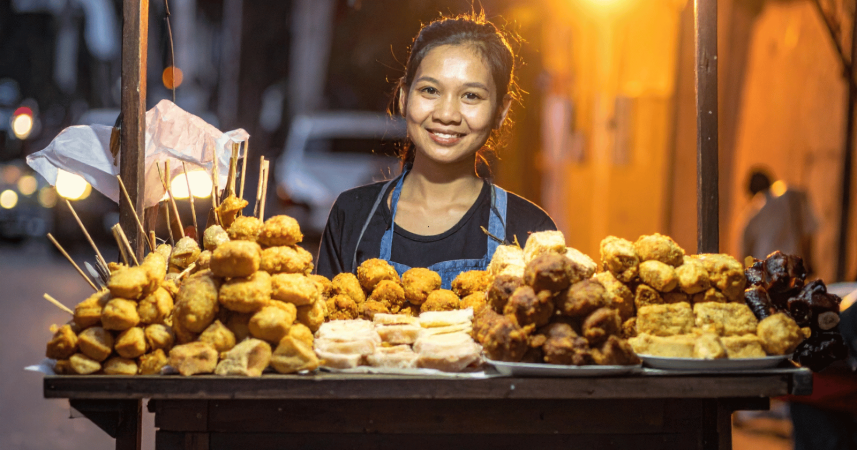
Picture this: steam rising from a metal cart on a Bangkok sidewalk at 2 AM, the vendor's practiced hands folding banana leaf packets while drunk locals and curious backpackers wait in line. The air thick with lemongrass and chili smoke. This isn't a scene from Anthony Bourdain's show. This was my Tuesday night for three years straight.
Most tourists hit the Instagram-famous spots, take their photos, and leave thinking they've experienced "authentic" cuisine. But here's what they're missing: the best food in most countries isn't found in guidebooks or on TripAdvisor. It's being cooked by someone's grandmother on a street corner at weird hours, served on plastic plates that have seen better days.
After spending years in Thailand and traveling extensively through Southeast Asia, plus my time training in professional kitchens, I've learned that street food isn't just cheap eats. It's where culinary tradition lives and breathes. Where recipes get passed down through generations without ever being written down.
Want to know if you've actually tasted what locals eat? Here are seven countries where the street food scene holds the real treasures.
1. Thailand beyond pad thai
Every tourist in Bangkok hits up that one pad thai place near Khao San Road. You know the one. But walk three blocks in any direction after midnight, and you'll find what Thais actually eat when they're hungry.
During my time living in Bangkok, my local coffee cart owner would slip me these incredible coconut custard biscuits every morning. Not because I was special, but because that's what neighbors do. The real Thai breakfast? Joke (rice porridge) with pork meatballs and a raw egg cracked on top. Costs about 30 baht and keeps you full until lunch.
The som tam (papaya salad) you get at restaurants? Usually toned down for Western palates. The version from the lady with the mortar and pestle on Sukhumvit Soi 38? That'll make your eyes water and your taste buds sing. She'll ask "pet mai?" (spicy?) and when you say yes, she means it.
Look for the vendors selling khao kha moo (braised pork leg over rice). The good ones have a line of motorcycle taxi drivers waiting. They know where the quality is.
2. Mexico's late-night taco truth
Forget Taco Bell. Forget even the trendy taco spots in Mexico City's Roma Norte. The best tacos appear after 11 PM when the al pastor spits start rotating and the blue-collar crowd gets off work.
Real taco al pastor comes from Lebanese immigrants who brought shawarma techniques to Mexico. The pineapple on top isn't decorative. It caramelizes and drips down the meat all day. When the taquero slices it with one smooth motion and catches it on your tortilla? That's years of practice.
The suadero tacos from street carts? That's the cut between the belly and leg of beef, slow-cooked in its own fat until it melts. Restaurant menus rarely feature it because tourists don't know to ask for it. But construction workers lining up at 6 AM? They're ordering three with extra cilantro.
3. Vietnam's breakfast revolution
Pho gets all the press, but Vietnamese street breakfast goes way deeper. Banh mi from the lady who sets up shop outside office buildings at 5 AM hits different than the ones at tourist markets. She remembers your order after three visits and adjusts the chili accordingly.
But have you tried banh cuon? These rice paper rolls filled with pork and mushrooms require serious skill. The vendor pours batter on a cloth stretched over boiling water, steams it for seconds, then peels it off in one piece. Most restaurants use machines now. Street vendors still do it by hand.
Or xoi (sticky rice) topped with everything from fried shallots to Chinese sausage to mung bean paste. Each vendor has their signature combination. The one near Hanoi's West Lake does a version with coconut milk and pandan that haunts my dreams.
Bun cha only really works from charcoal grills on sidewalks. The smoke is part of the flavor profile. Obama ate it with Bourdain, sure, but every Hanoian has their own favorite spot that's been there since their parents were kids.
4. India's chaat addiction
Indian restaurants abroad serve butter chicken and naan. Indians eat chaat from street carts that look like they might collapse any second. These snacks combine textures and flavors in ways that shouldn't work but absolutely do.
Pani puri: hollow crisps filled with spiced water, potatoes, and chickpeas. You eat it in one bite before it dissolves. The vendor mixes the water fresh for each customer, adjusting spice levels with a raised eyebrow as his only question.
The dosa you get at restaurants? Often pre-made batter from a mix. The street vendor grinds his rice and lentils fresh each morning. The difference in taste is like comparing Wonder Bread to sourdough.
Vada pav in Mumbai isn't just a snack. It's an emotion. This deep-fried potato dumpling in a bun with chutneys powers the entire city. The best vendors fry them to order, so the vada stays crispy even after the chutneys soak in.
5. Turkey's working-class fuel
Istanbul's street food scene feeds millions of workers daily. Simit (sesame bread rings) aren't just tourist snacks. They're what everyone grabs with tea on the ferry to work. The vendors who walk through traffic selling them know exactly when the lights change.
Kokorec might test your limits. It's seasoned lamb intestines wrapped around a skewer and grilled. Sounds intense? It is. But watching late-night crowds devour it after a night out tells you everything about its actual popularity.
Midye dolma (stuffed mussels) served from pushcarts seem risky to tourists. Locals know which vendors have the freshest supply. The rice inside gets flavored with currants, pine nuts, and enough spices to make each bite complex.
The fish sandwich boats at Eminonu aren't gimmicks. Fishermen grill their morning catch and serve it with raw onions and lettuce. Simple, cheap, perfect.
6. Malaysia's cultural collision
Malaysia's street food reflects its multicultural reality better than any museum could. Chinese, Malay, and Indian influences crash into each other at hawker centers.
Char kway teow from a wok that's never been washed (the char flavor comes from years of seasoning) beats any version from a clean restaurant kitchen. The breath of the wok, that slight char taste, can't be replicated without serious heat and a well-worn pan.
Nasi lemak from roadside stalls wrapped in banana leaves for breakfast. The coconut rice, sambal, anchovies, peanuts, and egg create a balance that took generations to perfect. McDonald's tried to make a version. It failed spectacularly.
Roti canai made by Indian Muslim vendors who can stretch the dough until it's translucent, then fold it into layers that puff up on the griddle. Watching them work is performance art.
7. Morocco's hidden squares
Jemaa el-Fnaa in Marrakech gets all the tourists, but locals eat in smaller neighborhood squares. The snail soup vendors with their distinctive carts show up after dark. The broth, seasoned with dozens of spices, supposedly cures everything from colds to heartbreak.
Maakouda (potato fritters) from oil that's been filtering through the same pot all day. Sounds questionable? Tastes incredible. Especially stuffed in bread with harissa and preserved lemons.
The sfenj (Moroccan doughnuts) only work when they're seconds out of the oil, still too hot to hold properly. Dusted with sugar or dipped in honey, they're what Moroccans actually have with morning coffee.
Finally, the lamb tangia slow-cooked in clay pots in the ashes of hammam furnaces. This isn't restaurant food. This is what workers have been eating for centuries, cooked by the same method their grandfathers used.
Final thoughts
Street food isn't just about saving money or finding "hidden gems" for social media. It's about understanding how people really eat when they're not performing for tourists.
The best meals of my life didn't come from Michelin-starred restaurants. They came from vendors who've been perfecting one dish for decades, serving people who'd complain loudly if quality dropped even slightly.
Next time you travel, skip the food tours and walking guides. Instead, find where taxi drivers eat lunch. Where office workers
What’s Your Plant-Powered Archetype?
Ever wonder what your everyday habits say about your deeper purpose—and how they ripple out to impact the planet?
This 90-second quiz reveals the plant-powered role you’re here to play, and the tiny shift that makes it even more powerful.
12 fun questions. Instant results. Surprisingly accurate.