Before everything became instant and digital, the holidays required weeks of preparation, handwritten cards, and formal visits, and maybe that's exactly why they felt more magical than our one-click celebrations do today.
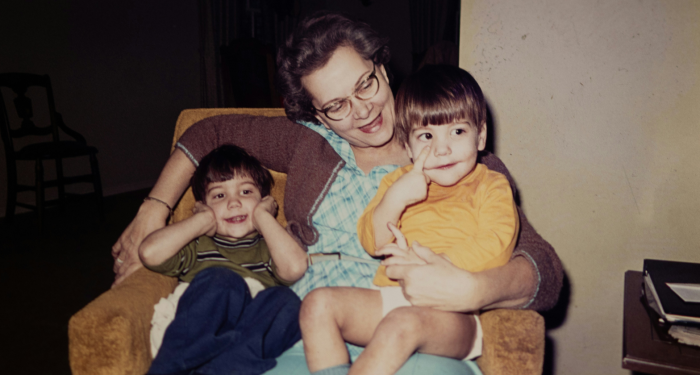
Look, I still remember the smell of my grandmother's kitchen every December. Pine needles, cinnamon, and something baking that took all day to prepare. She'd start cooking three days before Christmas, and by the time we all gathered around her table, every dish had a story, every tradition had meaning.
These days? I order most of my holiday shopping online, text "Merry Christmas" to half my contacts, and consider it a win if I remember to put up a tree. And I know I'm not alone here.
Something shifted between then and now. The holidays used to feel different, more intentional, more special somehow. After talking with older relatives and diving into what made the 60s celebrations tick, I've discovered some traditions that we've largely abandoned. Maybe understanding what we've lost can help us figure out what's worth bringing back.
1. Everyone got real Christmas cards in the mail
Remember actual mail? Not packages from Amazon, but personal letters and cards?
In the 60s, families would sit down together in early December to address dozens, sometimes hundreds, of Christmas cards. Each one handwritten, each envelope personally addressed. My grandmother kept every card she received in a basket by the fireplace, and she'd reread them throughout the season.
Think about the weight of that gesture. Someone took the time to select a card, write a personal message, address it, stamp it, and mail it. Just for you. These weren't Facebook posts that reached 500 people simultaneously. They were individual connections, one envelope at a time.
The anticipation was part of the magic too. You'd check the mailbox daily, wondering whose card might arrive next. Each one was displayed prominently, becoming part of the holiday decor and a visible reminder of the relationships that mattered.
Today's digital greetings are convenient, sure. But do you remember a single e-card you received last year? Exactly.
2. Decorating happened slowly, as a family event
The 60s approach to decorating was radically different from our current "get it all done in one weekend" mentality.
Families would start with the Advent calendar on December 1st. Then maybe string some lights the first weekend. The tree wouldn't go up until mid-December at the earliest, sometimes not until Christmas Eve. Each decoration had a story, many were handmade, and putting them up was an event that stretched across multiple evenings.
Kids would make paper chains and popcorn garlands. Teenagers might be trusted with the special ornaments. Dad handled the lights (and the inevitable untangling). Mom orchestrated the whole production.
Everyone participated because there was no other entertainment competing for attention. No Netflix, no smartphones, just the family, some hot chocolate, and maybe Christmas records playing in the background.
The slow build created anticipation. By the time Christmas arrived, you'd been building toward it for weeks, layer by layer. Now we blast through decorating like it's another item on our to-do list, often while simultaneously watching TV or scrolling through our phones.
3. Shopping was an experience, not a transaction
Online shopping has made gift-giving incredibly convenient, but we've lost something in the translation.
In the 60s, holiday shopping meant getting dressed up, going downtown, and making a day of it. Department stores went all out with elaborate window displays that drew crowds. You'd see neighbors, stop for lunch at the store's restaurant, maybe catch a visit with the department store Santa.
The constraints mattered too. You couldn't comparison shop across 50 websites. You had to make decisions with the information available, which meant putting more thought into each purchase. Gifts were often more practical because frivolous options were limited, and that practicality carried its own message of care and consideration.
Without credit cards being ubiquitous, most people saved throughout the year for Christmas shopping. This meant gifts were more intentional, more precious. The effort required to acquire them was part of their value.
4. The kitchen was command central for weeks
Modern holidays often revolve around catering trays and store-bought cookies. But in the 60s? The kitchen transformed into a production facility weeks before the big day.
Fruitcakes (yes, people actually made and ate them) started in November. Cookie baking happened in batches throughout December, with specific days dedicated to different varieties. Everything from scratch, obviously. No cake mixes, no pre-made cookie dough.
Women would exchange recipes at church or over the fence, and trying Mrs. Johnson's famous fudge recipe became part of the seasonal ritual. Kids helped, learning techniques and family recipes that had been passed down for generations. The house smelled like a bakery for a solid month.
This wasn't just about the food. It was about the investment of time, the passing down of traditions, the anticipation built through preparation. When you finally bit into that special coffee cake on Christmas morning, you were tasting weeks of preparation and generations of tradition.
5. Visiting was formal and planned
Here's something wild: in the 60s, people didn't just text "stop by if you're free!" Holiday visits were formal affairs, planned well in advance.
You'd call (on a rotary phone, naturally) to arrange a specific time. You'd dress up. You'd bring a hostess gift. You'd stay for a predetermined amount of time, usually involving coffee and dessert. These weren't casual drop-ins but intentional connections.
The formality might seem stuffy now, but it communicated respect. It said, "This relationship matters enough to plan for, dress up for, prepare for." The host would clean, bake something special, use the good china. The entire interaction was elevated beyond everyday socializing.
Without the ability to maintain constant digital contact, these in-person visits carried more weight. They were your chance to catch up on the full year, to really connect, to be fully present with people who mattered.
6. Entertainment was participatory
No screens meant entertainment required participation. Families sang carols around the piano (someone always had a piano). They played board games that took entire evenings. They told stories, performed skits, or put on talent shows for each other.
Church pageants and school concerts weren't optional background events you might catch if convenient. They were the entertainment highlights of the season, planned for and attended by entire extended families. Community caroling actually happened, with groups going door to door, spreading cheer in the most literal way possible.
This participatory culture meant everyone contributed something to the celebration. You couldn't just consume entertainment passively. You had to bring something to the table, whether that was your voice, your humor, or your willingness to wear a ridiculous homemade costume in the family nativity scene.
7. There was actual anticipation and mystery
Finally, the 60s had something we've almost completely lost: genuine surprise and anticipation.
Without online shopping histories, wish lists were mysterious documents. Kids circled items in catalogs with no guarantee parents would see them. Presents stayed hidden (actually hidden, not just in an Amazon box). You had no idea what you were getting until the moment you opened it.
The season built slowly because information traveled slowly. You couldn't track Santa on an app or watch unboxing videos to preview potential gifts. Television specials aired once a year, and if you missed them, you waited until next December. This scarcity made everything more precious.
Even recipes and craft ideas required effort to obtain. You couldn't Pinterest your way to the perfect holiday. You had to figure it out with what you had, which made both successes and failures more meaningful.
Final thoughts
Listen, I'm not suggesting we abandon modern conveniences and go full 1960s. I love being able to ship gifts directly to relatives across the country. Group texts make coordinating family gatherings infinitely easier.
But maybe we can learn something from how the 60s approached the holidays. The common thread through all these traditions isn't the specific activities, it's the intentionality behind them. Everything took more effort, which paradoxically made everything feel more special.
This year, I'm trying something different. Writing actual cards to at least ten people. Baking one thing completely from scratch. Having one evening of decorating with no screens, just music and conversation.
Because at the end of the day, what made those 60s celebrations special wasn't the traditions themselves. It was the investment of time, presence, and intention. Those are things we can bring back, even in our Amazon Prime world.
The magic isn't lost. We just have to work a little harder to find it.
What’s Your Plant-Powered Archetype?
Ever wonder what your everyday habits say about your deeper purpose—and how they ripple out to impact the planet?
This 90-second quiz reveals the plant-powered role you’re here to play, and the tiny shift that makes it even more powerful.
12 fun questions. Instant results. Surprisingly accurate.