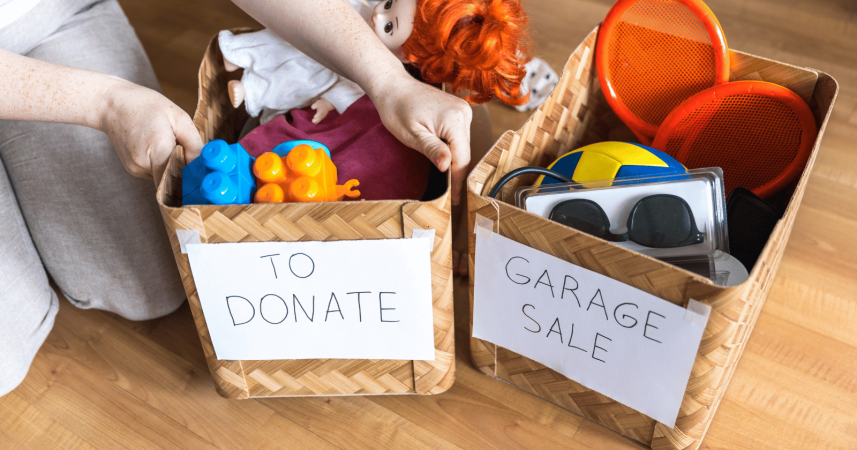
That box of "junk" your parents donated in 1989 might have paid for your kid's college tuition if you'd kept it.
Remember when your mom threw out your He-Man figures during spring cleaning? Or when your dad tossed those old Nikes because they looked worn out?
Yeah, that stings a little different now.
I was talking to a friend who works in estate sales recently, and she mentioned finding a box of vintage Star Wars action figures in someone's attic. Still in the original packaging. The family had no idea what they had until she told them these toys could fetch thousands on eBay.
Turns out, what Boomers considered trash in the 80s has become treasure for collectors today. We're not talking about a few bucks here. Some of these items are pulling in serious money, the kind that makes you want to call your parents and ask what they did with all your childhood stuff.
Here are nine things that got tossed in the 80s that collectors are now fighting over online.
1) Original Star Wars action figures
If you had Star Wars toys as a kid, there's a decent chance they ended up in a garage sale for fifty cents or got donated to Goodwill.
Big mistake.
Original Star Wars figures from the late 70s and early 80s, especially those still sealed in their packaging, are now worth astronomical amounts. A mint condition Boba Fett can sell for over $4,000. Princess Leia in her Boushh disguise? Around $1,500.
The key here is condition. Figures that kids actually played with are worth less, but even those can pull in a few hundred bucks if they're complete with accessories. The ones that stayed in the box, untouched? That's where the real money is.
What makes these so valuable isn't just nostalgia. It's the connection to one of the biggest film franchises in history. Every generation that grew up with Star Wars wants a piece of that childhood magic, and they're willing to pay for it.
2) First generation Transformers toys
Before Michael Bay turned Transformers into explosions on screen, these were the toys every kid wanted for Christmas.
First generation Transformers from the early 80s, the ones made before the franchise got diluted with countless spinoffs, are incredibly valuable now. Optimus Prime in mint condition can sell for several hundred dollars. Rarer characters like Jetfire or Starscream? Even more.
I remember spending hours as a kid trying to transform these things back and forth. Half the time I'd break a piece off and my parents would throw the whole thing away. Turns out those broken pieces might have been worth keeping and restoring.
The real winners here are people who kept their Transformers in the original boxes. Complete sets with all the accessories, paperwork, and packaging can fetch thousands. Collectors want that pristine, untouched condition that proves the toy survived decades without being played with.
3) Cabbage Patch Kids dolls
These caused literal riots in toy stores back in the 80s. Parents were fighting each other to get their hands on one for Christmas.
Fast forward a few decades, and those same dolls are selling for serious money on eBay. Early Cabbage Patch Kids made by Coleco, especially ones with their original adoption papers and clothing, can go for up to $3,000. Even dolls in decent condition are pulling in a few hundred bucks.
What makes certain Cabbage Patch Kids more valuable than others? Rarity. Dolls with unusual hair colors, unique outfits, or limited production runs command higher prices. The more distinctive the doll, the more collectors want it.
Most of these dolls got loved to death by kids in the 80s, or they ended up in donation bins when families cleaned out their closets. The ones that survived in good condition are now prized collectibles for people who want to recapture that 80s childhood magic.
4) Vintage Nike sneakers
My parents threw out more pairs of old Nikes than I can count. Scuffed up, worn down, tossed in the trash without a second thought.
Turns out, vintage Nike sneakers from the 80s are now collector's items. We're talking about models like the Nike Cortez, the Air Jordan 1, and early running shoes that defined the era. Some pairs in good condition can sell for hundreds or even thousands of dollars.
When I lived in Bangkok for three years, I noticed this obsession with vintage sneakers was already massive in Asia. People were hunting down old Nikes at markets and paying crazy prices for them. It wasn't just about nostalgia; it was about owning a piece of design history.
The original Air Jordans are the holy grail here. A pair in mint condition, never worn, can sell for tens of thousands. Even worn pairs in decent shape pull in respectable amounts. The key is authenticity and condition. Collectors want shoes that haven't been beaten to death.
5) Original Nintendo game consoles and cartridges
Remember when your parents made you get rid of your Nintendo because you weren't playing it anymore? Or when you upgraded to a newer system and just tossed the old one?
Yeah, that hurts.
The original Nintendo Entertainment System, especially sealed in the box, is worth a fortune now. A sealed copy of Super Mario Bros. sold at auction for over a million dollars in 2021. Even loose cartridges of popular games can sell for hundreds.
What drives the value here is both nostalgia and scarcity. Sealed games are rare because, let's face it, who keeps a video game sealed? Kids ripped those boxes open the second they got home. The ones that stayed sealed were either gifts that never got opened or forgotten purchases that sat in a closet for decades.
Even if you don't have sealed games, certain rare titles in good condition can still bring in serious cash. Games like Little Samson or Stadium Events are worth thousands even without the original packaging.
6) Vintage concert t-shirts
Band shirts from 80s concerts used to be everyday wear. People would buy them at shows, wear them until they fell apart, then throw them away.
Now? Those same shirts are worth hundreds of dollars.
Original concert tees from bands like Metallica, Guns N' Roses, The Cure, and other 80s icons are highly sought after by collectors. The more worn and authentic they look, the better. A genuine vintage Metallica tour shirt can easily sell for a few hundred bucks, sometimes more if it's from a particularly iconic tour.
What makes these valuable isn't just the band name. It's the story behind them. These shirts represent a moment in time, a specific concert, a cultural movement. Collectors want that connection to music history, and they're willing to pay for authenticity.
The catch is proving the shirt is real and not a reproduction. Vintage band tees have specific characteristics, tags, printing methods, and design details that distinguish them from modern knockoffs. Collectors know what to look for, and they'll pay top dollar for the real thing.
7) Early comic books from the 80s
Comic books used to be throwaway entertainment. Kids would read them, trade them, then eventually toss them when they got too beat up.
But certain 80s comics have become incredibly valuable. Issues like The Amazing Spider-Man #300, which introduced Venom, or Batman: The Killing Joke are worth thousands in excellent condition. Even lesser-known titles with cult followings can pull in serious money.
The key here is condition. Comics were meant to be read, so finding ones in pristine, unread condition is rare. Collectors grade comics on a detailed scale, and the difference between a 9.0 and a 9.8 grade can mean thousands of dollars in value.
What surprises most people is that it's not just the obvious superhero issues that are valuable. Independent comics, first appearances of characters, and certain storylines have passionate collector bases willing to pay premium prices.
Many Boomers threw out boxes of comics during moves or clean-outs, thinking they were worthless. Those boxes might have contained first appearances or key issues that are now worth a small fortune.
8) Vintage video game magazines
Who would've thought old gaming magazines would be worth anything?
Turns out, vintage gaming magazines from the 80s, especially early issues of Nintendo Power, Electronic Gaming Monthly, and others, are collectible now. Complete issues in good condition can sell for $50 to $200, depending on rarity and content.
What makes these valuable is that they document gaming history. These magazines contain original reviews, ads, and coverage of games when they first came out. They're time capsules of an era when gaming was just starting to explode into mainstream culture.
I've always been a reader, and I remember finding old gaming magazines at used bookstores when I was younger. Back then, they were a dollar or two. Now those same issues are listed online for ten times that amount.
The most valuable magazines are ones featuring major game releases, special editions, or issues with posters and inserts still intact. Collectors want complete, well-preserved copies that haven't been cut up or damaged over time.
9) Original Rubik's Cubes and puzzle toys
Finally, we need to talk about the Rubik's Cube.
This puzzle launched in 1980 and became a worldwide phenomenon. Everyone had one. Most people got frustrated, gave up, and eventually threw them away or donated them.
Original Rubik's Cubes from the early 80s, especially those still in their packaging, are worth over $100 now. Rare variants like the Rubik's Snake or Rubik's Magic are even more valuable.
The appeal here isn't just nostalgia. It's about owning a piece of puzzle history. The Rubik's Cube became a cultural icon, and collectors want the original versions that started it all.
What surprised me while researching this is how specific collectors are about authenticity. They can tell the difference between an original 80s cube and a modern reproduction just by looking at the stickers, the mechanism, and the packaging. Details matter in the collector world.
People threw these away because they seemed like cheap plastic toys. Now they're sought-after collectibles that represent a moment when the whole world was trying to solve the same puzzle.
The bottom line
If you're sitting there wondering what your parents threw away in the 80s, you're not alone.
The stuff that seemed worthless back then has become valuable for a simple reason: scarcity. Most of it got used, broken, and thrown away. The few items that survived in good condition are now rare, and collectors will pay for rarity.
Before you beat yourself up too much about what got tossed, remember that hindsight is always perfect. Nobody in the 80s could have predicted that toys and sneakers would become investment pieces decades later.
But here's the takeaway: if you've got old stuff sitting in boxes in your attic or basement, it might be worth checking eBay before you throw it out. You never know what collectors are hunting for these days.
And if your parents still have any of your old toys stored away? Maybe give them a call. That dusty box in their garage might be worth more than you think.
What’s Your Plant-Powered Archetype?
Ever wonder what your everyday habits say about your deeper purpose—and how they ripple out to impact the planet?
This 90-second quiz reveals the plant-powered role you’re here to play, and the tiny shift that makes it even more powerful.
12 fun questions. Instant results. Surprisingly accurate.