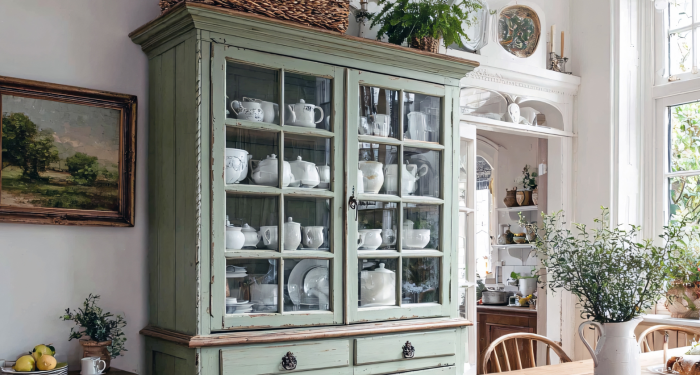
The way we behave at the table often mirrors how we show up in life—patient, distracted, kind, or quietly self-centered.
If you ever sat through a family dinner in the late ‘70s or ‘80s, chances are it came with a set of unspoken rules — rules that, without realizing it, shaped how you navigated the world.
These weren’t just about etiquette. They were quiet lessons in patience, empathy, and respect — values that wove themselves into how you showed up in conversations, relationships, and even work meetings later on.
And though some of those dinner table traditions may seem outdated in the age of takeout and screens, they carry subtle wisdom that still matters today.
Let’s dig into nine of those classic rules that raised a generation with manners — and maybe, just maybe, made the world a bit more polite.
1) You waited until everyone was served
If you grew up in a Boomer household, this wasn’t optional. You didn’t touch your food until every plate hit the table and someone — usually Mom — gave the go-ahead.
It was a small act of restraint that said a lot about how you valued others. Waiting your turn meant recognizing that you were part of a group, not the center of it.
It also taught something deeper: empathy. When you waited, you paid attention to others — how long Grandma took to sit down, how tired Dad looked after work, how everyone’s needs were part of the ritual.
That habit still shows up today in people who naturally wait for others to be ready — whether it’s pausing before eating at a restaurant, or holding off on a text reply until they can give it proper attention.
It’s a simple act, but it quietly reinforces something we could use more of — patience.
2) You asked to be excused
You didn’t just disappear after the last bite. You asked permission to leave the table, and you said it politely.
For many Boomer kids, this rule was drilled in as early as kindergarten. “May I be excused?” wasn’t just about getting up; it was about acknowledging that the dinner wasn’t an individual event — it was a shared moment.
Looking back, this one taught humility. It reminded you that good manners weren’t about strictness but about respect for the space and people around you.
These days, I think about it whenever I leave a social situation — a Zoom meeting, a dinner with friends, even a conversation at a coffee shop. Saying a quick thanks before walking away still feels right.
Because being “excused” wasn’t really about permission. It was about gratitude.
3) You didn’t interrupt adults talking
This rule came with a serious look — the kind that could freeze you mid-sentence.
As a kid, you learned to wait until there was a pause in the conversation (and sometimes there wasn’t one for a while). It wasn’t just about hierarchy; it was about timing.
And timing is everything in communication.
When you couldn’t interrupt, you had to listen — not just to words, but to tone, rhythm, and context. You learned when to speak, when to stay quiet, and how to sense when someone was about to finish a thought.
That ability to read the room? It starts here.
Even now, the people who can sit comfortably in silence during a discussion — who don’t rush to fill every gap — often come across as more grounded and emotionally intelligent.
That old dinner rule was really a training ground for self-regulation and respect.
4) You said “please” and “thank you” — every single time
This one was universal. Whether you wanted the butter, the ketchup, or a second helping of pasta, you said “please.” And when someone passed it, you followed with “thank you.”
It felt repetitive back then, but that was the point. Manners became automatic — something you did without thinking.
And there’s actual psychology behind this. Gratitude doesn’t just make you more likable; it creates a positive feedback loop. People who express thanks regularly are statistically happier, less stressed, and even more patient.
Maybe that’s why this habit has such staying power. Even now, those two simple words can shift the tone of an entire interaction — online or off.
It’s amazing how something so small can still carry so much weight.
5) You didn’t leave food on your plate
Ah, the legendary “clean your plate” rule. Whether it came with a reminder about “starving children in Africa” or a stern look from Dad, you knew better than to waste food.
Sure, sometimes it meant forcing down peas that tasted suspiciously metallic, but the message was clear: don’t take more than you need, and appreciate what you have.
As adults, some of us had to unlearn the unhealthy parts of this — eating past fullness just to avoid guilt. But the core value still holds: awareness.
Being mindful of waste, of resources, of what it takes for food to end up on your table — that’s the kind of awareness that carries into everything from budgeting to sustainability.
As a vegan, I’ve become hyper-aware of that connection between gratitude and consumption. Every bite is a choice, and I don’t take it lightly.
6) You didn’t talk with your mouth full
This one still makes me cringe when I see someone break it.
As a kid, you were reminded constantly — “Finish chewing first!” It wasn’t just about manners; it was about pacing.
You learned to slow down, to finish one thing before starting another.
And that’s a surprisingly useful life skill.
We live in a world of multitasking, where people brag about eating lunch while answering emails and scrolling through messages. But the dinner table rule taught a different rhythm — one thing at a time.
And honestly? The people who follow that rhythm — who give full attention to what’s in front of them — tend to come across as more grounded, more engaged, and yes, more mannered.
7) You made conversation — even when you didn’t feel like it
Silence wasn’t an option. You were expected to share about your day, respond to questions, or offer your thoughts on whatever random topic surfaced.
Some kids dreaded this part (especially the shy ones), but it was essentially social training.
You learned how to express yourself clearly, how to listen, and how to engage even when it wasn’t your favorite subject.
Those dinners were mini-lessons in emotional intelligence — reading reactions, adjusting tone, picking up on humor.
When I think about the best conversationalists I know today, most of them had those kinds of family meals growing up. They learned early that talking wasn’t about dominating; it was about connecting.
And even when I travel now, I find that the ability to carry a conversation across different cultures and settings is one of the most underrated life skills there is.
8) You stayed at the table until everyone was finished
This one tested patience. You couldn’t leave just because you were done. You waited until everyone else had finished — even if your little brother took eternity to eat his green beans.
That moment of forced stillness taught something subtle but powerful: presence.
You learned to sit with mild boredom, to resist distraction, to appreciate the collective rhythm of a shared experience.
And if you think about it, that’s rare now. With phones on the table and minds already on the next task, staying present feels almost revolutionary.
But those dinners planted a small seed — that being together isn’t about efficiency; it’s about connection.
It’s funny how something as simple as waiting for someone to finish eating can translate into better patience everywhere else — meetings, relationships, even self-growth.
9) You helped clear the table
Once the plates were empty, no one vanished. You helped — even if it was just stacking dishes or wiping crumbs.
It was your first introduction to teamwork.
You learned that shared spaces come with shared responsibility. That you don’t just benefit from the meal — you contribute to the cleanup.
And honestly, that mindset carries over into everything.
Whether it’s a shared kitchen, a workspace, or a community project, the people who instinctively help without being asked stand out. They’re the ones who build trust fastest because they treat “after” as part of the experience — not an inconvenience.
There’s something deeply human about that. It’s not glamorous, but it’s real.
Helping clear the table said, “We’re in this together.” And if you zoom out, that’s kind of the moral of all these rules.
The bottom line
The Boomer dinner table was more than a place to eat — it was a quiet classroom for life.
Each rule, no matter how small, was a soft nudge toward being a better listener, a more considerate human, a more mindful participant in whatever community you were part of.
They weren’t about being perfect. They were about being aware — of your words, your timing, your impact.
And while the world has changed — we eat on the go, dine solo, and scroll mid-bite — the essence of those lessons still holds.
So maybe the next time you sit down for dinner, even if it’s just you and your takeout, you’ll pause before digging in. You’ll remember that manners aren’t about control — they’re about care.
And that’s something every generation could use a little more of.