The dishes that take the longest to make are often the ones people remember least, but maybe that's exactly the point.

Add VegOut to your Google News feed. 
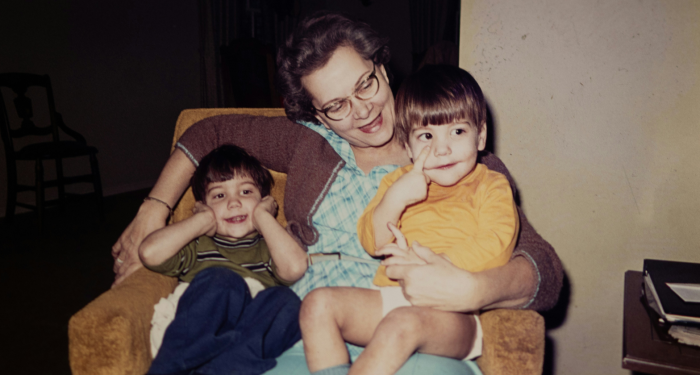
Last Thanksgiving at my grandmother's place in Boston, I watched her spend three days turning a bag of cranberries into sauce while my sister walked in with a can from Whole Foods. The entire kitchen smelled like simmering berries and cinnamon, but you could tell Grandma felt personally offended by that cylindrical can sitting on the counter.
It's not that we can't cook. Most of us can follow a recipe just fine. It's that convenience has become normal, and honestly, when you're juggling work, fitness routines, and trying to maintain some sort of social life, spending hours prepping Thanksgiving sides feels less necessary than it used to.
But here's what's interesting: the dishes Boomers refuse to buy pre-made aren't just about the food. They're about time, ritual, and a kind of kitchen patience that's become rare. These are the dishes that take effort, that require you to actually slow down and pay attention.
Let's look at the ones that still spark debates every November.
1) Turkey stock for gravy
Boomers will roast the turkey, then take the bones, neck, and giblets and simmer them for hours to make stock. They'll strain it, reduce it, and use it as the base for gravy that tastes like actual turkey instead of just salt and flour.
Younger generations? We're buying boxed stock or using drippings with a packet of gravy mix. It works. It saves time. And honestly, most people at the table can't tell the difference once everything's on the plate.
But there's something to be said for the richness of homemade stock. It adds depth that's hard to replicate with shortcuts. The question is whether that depth is worth spending half your Thanksgiving morning babysitting a pot.
2) Cranberry sauce
Fresh cranberries, sugar, water, maybe some orange zest. That's it. Fifteen minutes on the stove and you've got cranberry sauce that actually tastes like fruit instead of sugar gel.
But Boomers are the ones making it. Everyone else is slicing that can of Ocean Spray and calling it done. The ridges from the can are still visible on each slice, and somehow that's become part of the tradition for a lot of families.
It's wild because homemade cranberry sauce is one of the easiest things to make from scratch. You literally just boil cranberries with sugar until they pop. But convenience wins, and the canned version has been around long enough that people actually prefer it.
I tried making it from scratch a few years back when I was living in Bangkok and couldn't find the canned stuff. It was shockingly simple, and the flavor was brighter, less cloyingly sweet. But when I brought it to Thanksgiving the next year back in the States, half the table complained that it "didn't taste right."
3) Stuffing from bread cubes
Real stuffing starts with bread. Not a box mix, actual bread that you cube, dry out, and then mix with onions, celery, herbs, and stock. Boomers will spend time tearing apart loaves, toasting the cubes, sautéing vegetables, and building layers of flavor.
Most people under 40 are reaching for Stove Top. Pour in some water, add butter, stir, and you're done in five minutes. It's consistent, it's fast, and it tastes exactly like what you expect Thanksgiving stuffing to taste like.
The scratch version does taste better, though. There's more texture, more complexity, and you can adjust the seasoning to match your preferences. But it's also one more thing to prep, one more bowl to wash, one more item fighting for oven space.
4) Dinner rolls from yeast dough
This one blows my mind. Boomers will make yeast dough, let it rise, punch it down, shape individual rolls, let them rise again, and then bake them. It's an all-day process that requires timing and attention.
Everyone else? Pillsbury tubes. Pop them open, separate the dough, bake for twelve minutes, and you've got hot rolls on the table. They're fine. They're soft. They do the job.
But there's no comparison when you've had a real homemade roll. The crust is golden, the inside is fluffy, and they taste like something you'd get at a good bakery. During my years working at boutique hotels, I watched pastry chefs treat dinner rolls like an art form - precise measurements, perfect proofing temperatures, careful shaping.
The question is whether that level of care makes sense for a home cook on Thanksgiving when there are twelve other things happening at once.
5) Mashed potatoes from actual potatoes
Here's where it gets contentious. Boomers peel potatoes, boil them, mash them by hand or with a ricer, and then add butter and cream until they're smooth and rich.
Younger generations have discovered that instant mashed potatoes have gotten way better than they used to be. Add the right ratio of butter and milk, and most people can't tell the difference.
I'm torn on this one. I've made both versions more times than I can count during my hospitality days. The real version does taste better - there's a creaminess and texture that instant potatoes can't quite match. But is it worth peeling ten pounds of potatoes when you're already stressed about timing everything else?
One trick I learned from a chef in New York: if you're going to make them from scratch, use Yukon Golds and add the butter when the potatoes are still hot. It emulsifies better and creates that silky texture that makes people think you spent way more effort than you did.
6) Green bean casserole from fresh beans
The classic version uses canned green beans, canned cream of mushroom soup, and fried onions from a can. It's been that way since the 1950s, and it still shows up on most Thanksgiving tables.
Boomers, though? Some of them blanch fresh green beans, make a mushroom sauce from scratch with real cream and fresh mushrooms, and then top it with homemade fried shallots.
It's a completely different dish. The fresh version has actual vegetable flavor instead of that soft, uniform texture from the can. The mushroom sauce tastes like mushrooms instead of salt and starch.
But it also takes three times as long to make. And honestly, the canned version is so iconic that changing it feels wrong to a lot of people. It's one of those dishes where "better" doesn't always mean "preferred."
7) Pie crust
Making pie crust from scratch requires cold butter, ice water, careful mixing, and a light touch. It's one of those techniques that takes practice to get right. Too much handling and the crust becomes tough. Not enough and it falls apart.
Boomers learned this from their parents. They can whip up a batch of dough without thinking about it, roll it out perfectly, and crimp the edges like they're getting paid to do it.
Most younger people are buying pre-made crusts from the refrigerated section. They unroll it, press it into a pie pan, and fill it. Done. Zero stress, consistent results, and nobody at the table is going to complain.
The scratch version does taste better - flakier, more buttery, less processed. But it's also a skill that takes time to develop, and when you're making three pies for Thanksgiving, the store-bought option starts looking really appealing.
8) Turkey brine
Finally, brining. Boomers who brine their turkeys will make a solution of water, salt, sugar, herbs, and aromatics, and then submerge the entire bird in it for 12 to 24 hours. It requires planning, refrigerator space, and a container big enough to hold everything.
The result is a moister, more flavorful turkey. The salt solution gets absorbed into the meat, seasoning it from the inside and helping it retain moisture during roasting.
Younger generations mostly skip this step. They'll buy a pre-brined turkey or just season the outside and call it good. It's one less thing to think about, and modern turkeys are already pretty moist compared to what people were dealing with decades ago.
I get it, though. When I was managing kitchen teams at high-end resorts, we brined everything - whole chickens, pork chops, even some cuts of beef. The difference was noticeable. But at home, when you're already juggling ten other dishes, brining feels like overcomplicating things.
The real difference isn't the food
Here's what I've noticed after years of working in kitchens and now writing about food: the dishes Boomers make from scratch aren't necessarily better. They're just different.
They require time, patience, and a willingness to treat cooking as something more than just fuel prep. They're dishes that force you to slow down, to pay attention, to connect with the process.
Younger generations aren't wrong for buying shortcuts. We're living in a different world with different pressures. But we might be missing something by always defaulting to convenience.
The best Thanksgiving meals I've had weren't the ones with the most elaborate food. They were the ones where people actually showed up, put down their phones, and spent time together. Whether the cranberry sauce came from a can or a pot on the stove mattered way less than the fact that everyone was there.
Maybe that's the real tradition worth keeping.
If You Were a Healing Herb, Which Would You Be?
Each herb holds a unique kind of magic — soothing, awakening, grounding, or clarifying.
This 9-question quiz reveals the healing plant that mirrors your energy right now and what it says about your natural rhythm.
✨ Instant results. Deeply insightful.

Adam Kelton
Adam Kelton is a writer and culinary professional with deep experience in luxury food and beverage. He began his career in fine-dining restaurants and boutique hotels, training under seasoned chefs and learning classical European technique, menu development, and service precision. He later managed small kitchen teams, coordinated wine programs, and designed seasonal tasting menus that balanced creativity with consistency.
After more than a decade in hospitality, Adam transitioned into private-chef work and food consulting. His clients have included executives, wellness retreats, and lifestyle brands looking to develop flavor-forward, plant-focused menus. He has also advised on recipe testing, product launches, and brand storytelling for food and beverage startups.
At VegOut, Adam brings this experience to his writing on personal development, entrepreneurship, relationships, and food culture. He connects lessons from the kitchen with principles of growth, discipline, and self-mastery.
Outside of work, Adam enjoys strength training, exploring food scenes around the world, and reading nonfiction about psychology, leadership, and creativity. He believes that excellence in cooking and in life comes from attention to detail, curiosity, and consistent practice.
More Articles by Adam