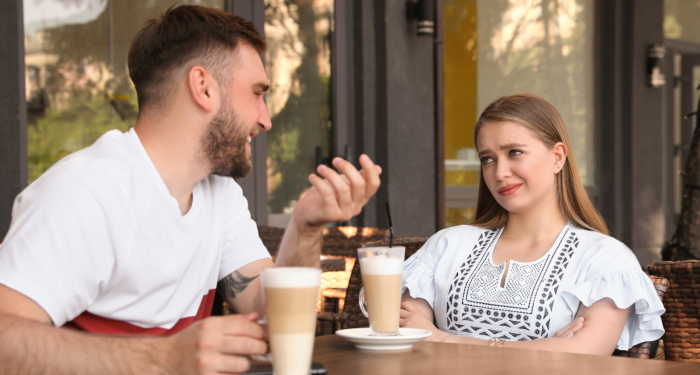
Sometimes the loneliest moments happen when you’re surrounded by people—especially when none of them really see who you are anymore.
Ever get that nagging feeling that your friendships are… surface-level?
You might text people, hang out occasionally, and still walk away feeling unseen—or like you’re the one keeping things afloat.
If that sounds familiar, you’re not alone. More people than ever say they feel disconnected, even when surrounded by others. But here’s the truth: feeling like you have “no real friends” usually says more about your stage in life, your boundaries, or your expectations than about your likability.
It’s not that you’re difficult or unworthy of connection. It’s that the dynamics of modern friendship have changed—especially for adults balancing independence, digital communication, and busy lives.
Let’s unpack eight reasons why that feeling might be showing up—and what it really means.
1) You’ve changed—but your circle hasn’t
One of the hardest parts of growing is realizing that not everyone grows with you.
Sometimes the people who once felt like “your people” don’t quite match where you are anymore. You evolve, your interests shift, your priorities change—and suddenly, conversations that used to feel easy now feel forced.
I went through this after leaving my old music blogging days. I still loved the art and culture of it all, but my life had become more about writing, psychology, and creative discipline. My old crew was still deep in gig culture, late nights, and chasing the next festival lineup. I still cared—but I didn’t fit.
That mismatch can feel isolating, especially if you equate longevity with loyalty. But it doesn’t mean you’re unlikable—it just means you’re evolving. Sometimes friendship gaps are simply evidence of personal growth.
And yes, it can hurt. But clinging to outdated connections just to feel less alone only prolongs the emptiness. The space that opens up when you let go is often where new, more aligned people show up.
2) You’ve outgrown shallow connections
Let’s be honest: many adult friendships run on convenience.
You meet people through work, school, or shared hobbies, and the bond rarely goes deeper than context. There’s nothing wrong with that—but when you start craving something more meaningful, the contrast can be jarring.
Maybe you’re tired of small talk. Maybe you want conversations that explore ideas, emotions, or personal growth instead of “What did you watch on Netflix?”
When that shift happens, the usual social script starts feeling empty.
But here’s the key: depth takes intention. Real connection rarely happens by accident—it happens when one person dares to go a little deeper. That might look like asking better questions, sharing more of yourself, or spending time one-on-one instead of in groups where everyone performs a version of themselves.
When you move from convenience-based friendships to values-based ones, it can feel lonely for a while. That in-between space isn’t failure—it’s just part of the recalibration.
You’re not losing friends; you’re refining what friendship means to you.
3) You’ve been too independent for too long
If you pride yourself on self-sufficiency, this one might sting a bit.
Many of us were taught to handle things ourselves—to not “bother” people or appear needy. The unintended consequence? You stop reaching out, and slowly, people stop offering.
It’s not that they don’t care. They just assume you’ve got it handled.
I’ve mentioned this before, but I learned this lesson during a time when I moved cities and tried to rebuild my social life from scratch. I’d tell myself, “I’m fine,” and avoid asking for help or making plans because I didn’t want to seem desperate. But independence can become a wall if you let it.
The paradox is that friendships thrive on reciprocity—on give and take. When you never ask, you unintentionally communicate that you don’t need anyone.
Think of friendship like a muscle. It needs exercise to grow—shared experiences, vulnerability, small acts of support. If you’ve gone too long doing everything solo, that muscle might feel stiff, but it’s not broken. You just need to start using it again.
4) You’re in a different life phase than your peers
Ever notice how friendship gets harder to maintain when everyone’s on different timelines?
One friend’s knee-deep in diapers, another’s climbing the corporate ladder, another just quit to travel the world—and you’re somewhere in between.
These life-stage shifts can create invisible barriers. It’s not that anyone stops caring; it’s that your daily realities no longer overlap. Someone’s busy with family life, another’s swamped with work deadlines, and suddenly, finding time to connect feels like scheduling a summit.
It’s frustrating—but it’s also normal.
If you’re in a slower season and your friends are in their hustle era, you might start wondering why they don’t check in as often. But they’re not ignoring you—they’re just consumed by a different phase of life.
This is where self-compassion matters. Friendships aren’t static. They ebb and flow with life transitions. Some will pause and resume later; others might fade, making space for new ones that fit your current rhythm.
Sometimes “no real friends” really means “no one who’s on my wavelength right now.” And that’s temporary.
5) You don’t show your real self
Here’s a paradox: sometimes we crave deep friendship but don’t give people the chance to see who we really are.
If you’re always the agreeable one, the advice-giver, or the “chill friend,” you might be hiding parts of yourself that could actually attract deeper bonds.
People can only connect with what you show them. If all they see is your composed, capable exterior, they’ll respond to that version of you—not the one that gets anxious, excited, or weird about things you care about.
In psychology, this ties into “masking”—adjusting your personality to fit social expectations. It’s a protective habit, often learned early, but it has a cost: you become surrounded by people who like the mask, not the person underneath.
The fix isn’t to overshare—it’s to drop the filter, piece by piece. Start small: share an opinion you’d normally hold back, admit when something bothers you, or express excitement without toning it down.
Friendship requires honesty, and honesty starts with showing up as your whole self—even if it feels risky.
6) You’ve been burned before
If you’ve experienced betrayal, ghosting, or slow fades in past friendships, your brain might still be on high alert.
That kind of social scar tissue can make you hesitant to trust new people or fully open up. You might tell yourself you’re protecting your peace, but what you’re really doing is protecting your pain.
I’ve been there. After a friend I’d known for years suddenly cut me off, I started second-guessing everyone. I’d analyze texts, overthink pauses, and keep people at arm’s length “just in case.” It took a while to realize I wasn’t avoiding pain—I was avoiding connection.
The irony? That defensive posture keeps the exact closeness you crave out of reach.
Healing doesn’t mean pretending it didn’t hurt. It means recognizing that one person’s actions don’t predict everyone else’s. Most people aren’t out to harm you—they’re just human, flawed, and busy trying to meet their own needs.
The real work is letting yourself trust in small doses again. Every honest conversation, every moment of vulnerability is a quiet rebellion against the fear that closeness will only end in pain.
7) You’re in a transitional season
Sometimes loneliness doesn’t come from lack of people—it comes from being in the in-between.
Maybe you’ve just moved cities, switched jobs, ended a relationship, or made a big lifestyle change. Those transitions can wipe out your social framework, leaving you feeling like you’re starting over.
That’s not failure—that’s transition.
But here’s the tricky part: transitional seasons test your patience. You can’t rush connection. It takes time for new bonds to develop the same emotional shorthand your old ones had.
When I first went vegan, for instance, I realized how many of my old social rituals revolved around food that no longer fit my values. That small shift changed who I connected with and how. It took time, but eventually I found new communities that aligned more with who I’d become.
The space between who you were and who you’re becoming can feel lonely—but it’s also where genuine connections start forming again. You just have to stick around long enough for them to grow.
8) You underestimate how common this is
Let’s zoom out for a second.
In the U.S., studies show over half of adults say they feel lonely at least some of the time. Social media doesn’t help—it gives us the illusion of closeness without the real-life presence that actually matters.
We scroll through stories, react to posts, maybe send a DM here or there, and mistake it for connection. But digital interaction doesn’t give us the same neurochemical reward as face-to-face time. We’re wired for shared experiences—eye contact, laughter, physical presence. Without those, our brains register “social starvation.”
So if you’ve been wondering, “Why does everyone else seem so connected?”—they don’t. They’re just better at curating it online.
Feeling disconnected doesn’t mean something’s wrong with you; it means you’re noticing a very human need for depth and presence in a time when both are harder to come by.
Ironically, that awareness is a strength. It means you care about connection enough to notice when it’s missing. And that’s usually the first step to building something real again.
The bottom line
If you feel like you have no real friends, it’s not a reflection of your worth—it’s a reflection of your context.
You might be evolving faster than your environment, guarding yourself after being hurt, or simply navigating a lonely season between chapters.
Friendship isn’t always steady; it’s cyclical. The people who match where you are now might just be around the corner—but they can’t find you if you’re too busy blaming yourself.
So start where you are. Reach out, stay open, and remember: connection doesn’t begin with being liked. It begins with being seen.
What’s Your Plant-Powered Archetype?
Ever wonder what your everyday habits say about your deeper purpose—and how they ripple out to impact the planet?
This 90-second quiz reveals the plant-powered role you’re here to play, and the tiny shift that makes it even more powerful.
12 fun questions. Instant results. Surprisingly accurate.