Forget kale and protein bars, these snacks were the real taste of childhood chaos and innocence.
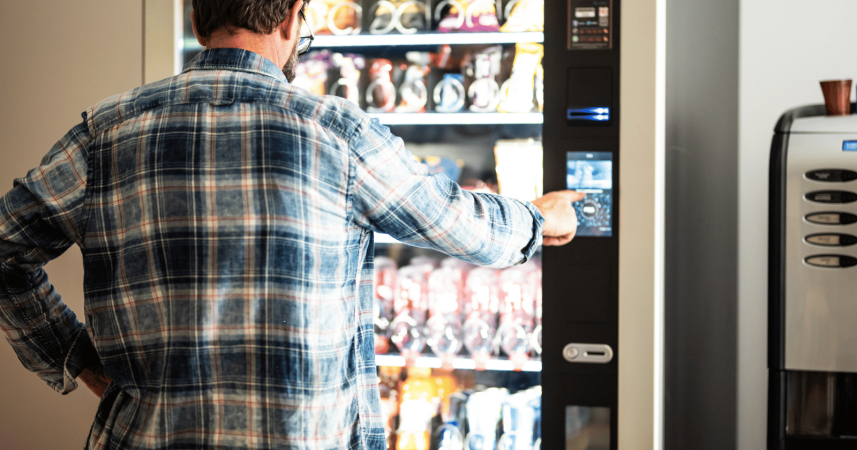
If you grew up in the 70s or 80s, vending machines were basically a gateway to freedom.
You’d walk up with a few quarters jingling in your pocket, scan the rows of plastic windows, and carefully choose which sugary or salty indulgence would get you through the next few hours.
There was something thrilling about it. The anticipation of pressing that clunky metal button, hearing the whir of the spiral coil, and watching your chosen snack tumble down like a prize. It wasn’t just about the food, it was about the ritual.
But let’s be honest: most of what we pulled from those machines was a nutritional nightmare. Hydrogenated oils, artificial flavors, dyes that sounded more like chemistry experiments than ingredients, these snacks were proof that flavor and health weren’t on speaking terms yet.
Still, for all their faults, those vending machine snacks defined an era. They were part of growing up in a time before organic labels, before everyone carried a reusable water bottle, and long before anyone said “macros.”
Let’s take a walk down memory lane and revisit the snacks that fueled our childhoods, and maybe shaved a few months off our life expectancy in the process.
1) Hostess CupCakes
If you were lucky, you’d spot that shiny black wrapper through the glass before anyone else. The Hostess CupCake was the crown jewel of the vending machine.
A perfectly circular chocolate cake covered in glossy icing, topped with the famous white squiggle, simple, iconic, and dangerously addictive.
Bite into one, and you’d get that signature cream filling that somehow managed to be both fluffy and dense at the same time. It wasn’t cream in the traditional sense, it was more like vanilla-flavored sugar air, but when you were ten years old, it felt like culinary magic.
No one worried about calories or trans fats back then. The idea that food could be “bad for you” hadn’t really entered the conversation. If it tasted good and came out of a vending machine, it was fair game.
Looking back, though, these little cakes were a one-way ticket to a sugar crash. Each one packed around 250 calories, with enough preservatives to survive a nuclear winter. But hey, they also taught us an early lesson in the concept of “treats.”
And to this day, nothing quite replicates that first bite of nostalgic chocolate goo.
2) Doritos Nacho Cheese
If you walked into a school cafeteria or arcade in the 80s, you could smell these before you saw them.
Doritos Nacho Cheese was a bold flavor revolution, bright orange dust that coated everything it touched, from your fingers to your desk to your jeans.
This wasn’t subtle snacking. Doritos didn’t whisper; they shouted. They were tangy, salty, a little spicy, and absolutely impossible to eat quietly.
Kids loved them because they were messy and fun. Adults hated them because they were messy and fun.
From a flavor standpoint, Doritos were actually ahead of their time. That perfect blend of cheese, umami, and crunch was engineered to be addictive. There’s science behind that, the combination of salt, fat, and crunch triggers dopamine release, giving your brain a mini hit of pleasure.
Of course, what your body didn’t love was the sodium content, about half a day’s worth in a single bag, and the long list of additives.
Still, Doritos were part of growing up. They turned snack time into an experience, not just a meal.
3) Pop-Tarts
If there was ever a snack that pretended to be breakfast, it was Pop-Tarts.
A frosted pastry shell filled with what the label called “fruit,” Pop-Tarts were the grab-and-go meal of choice for anyone who didn’t have time, or interest, in an actual meal.
You could eat them straight out of the wrapper, warm them up in a toaster, or, if you were a true rebel, microwave them into molten sugar lava.
The vending machine versions always had that slightly stale texture, but somehow that just added to their charm.
The flavors were endless, Strawberry, S’mores, Brown Sugar Cinnamon, and each one delivered the same addictive sugar rush. The frosting alone was basically a pure glucose highway.
Nutritionally speaking, Pop-Tarts were closer to candy than breakfast. But as a kid, you didn’t care. You just knew they tasted amazing and fit perfectly in your backpack.
It’s funny, today I spend my mornings making overnight oats or avocado toast, but I still remember tearing into a Pop-Tart on the way to school and feeling like I was eating something futuristic.
4) Little Debbie Oatmeal Creme Pies
Few snacks defined the 80s quite like Little Debbie. And the Oatmeal Creme Pie was her masterpiece.
Two soft, chewy cookies sandwiching a thick layer of sweet cream that somehow never melted, no matter how long it sat in the machine.
The word “oatmeal” might’ve made you feel like you were making a responsible choice. But make no mistake, these things were pure sugar disguised as a cookie.
They were the kind of snack you ate slowly, peeling off the edges before tackling the creamy middle. Sticky fingers were a given.
For many of us, these were a taste of comfort. They showed up in lunchboxes, on road trips, and at sleepovers. The texture was soft, the sweetness was over-the-top, and every bite was nostalgia in motion.
Little Debbie snacks were the original emotional eaters’ fuel. And honestly, they still hold up, if you ignore the ingredient list that reads like a chemistry experiment.
5) Combos
These were the vending machine’s wild card.
Combos weren’t quite chips, weren’t quite crackers, they were little pretzel tubes filled with cheese-flavored paste. Which sounds questionable, but somehow, it worked.
There was something satisfying about that mix of crunchy exterior and creamy center. The Pizzeria flavor was the undisputed champion, though the Cheddar Pretzel was a close second.
I used to grab these on family road trips. My parents would get coffee, and I’d head straight for the Combos. They felt like adult food, savory, portable, and almost like something you’d order at a restaurant if you were tiny and unsupervised.
Of course, that “cheese” filling was a salt bomb. You could easily take in 800 milligrams of sodium in one small bag, not to mention the fat and preservatives.
But the branding worked. “Baked snacks filled with real cheese” sounded like gourmet dining when you were nine.
Today, they’re still around, but nothing quite captures the weird satisfaction of eating something that looked fake and tasted fantastic.
6) Snickers
Snickers wasn’t just a snack, it was an institution.
That caramel, nougat, peanut, and chocolate combo hit every craving at once. It was sweet, salty, chewy, and crunchy. It was also heavy enough to qualify as a full meal if you were a hungry teenager.
The vending machine version always seemed slightly colder than the ones from the store, which somehow made them even better.
The slogan “You’re not you when you’re hungry” didn’t exist yet, but it might as well have. Snickers was the go-to for anyone crashing after gym class or pulling a late-night study session.
Each bar packed around 280 calories and enough sugar to keep you buzzing for hours, but compared to other snacks, it at least had some protein thanks to the peanuts.
To this day, it’s one of the few vending machine staples that never went out of style. Sure, we have “protein bars” now, but let’s be real, none of them taste as good as a Snickers.
7) Funyuns
Finally, we have the chaos king of the vending machine world, Funyuns.
You could smell them before you even opened the bag, a mix of onion powder and questionable life choices.
These puffed onion rings were light, crunchy, and explosively flavorful. And they were divisive. You either loved them or wondered why anyone would voluntarily smell like that for the rest of the day.
Funyuns were the kind of snack you ate when you wanted to make a statement. They weren’t refined. They weren’t healthy. But they had attitude.
Looking back, they were a marvel of food engineering, zero actual onions, just cornmeal and flavor dust. Yet somehow, they managed to trick our brains into pure satisfaction.
Today, when I reach for something crunchy, it’s usually roasted chickpeas or baked pita chips. But if a bag of Funyuns appeared in front of me right now, I can’t promise I’d say no.
Final thoughts
The truth is, these snacks weren’t just junk food, they were cultural moments.
They remind us of a time before barcodes ruled our choices, when food was simple, fun, and didn’t need to be photographed before eating.
Sure, our 70s and 80s diets were basically a case study in how not to eat. We lived on sugar highs and sodium spikes, and it’s a miracle we grew up to care about kale.
But these vending machine staples also sparked something else, our lifelong love of flavor. They taught us that food could be exciting, even if it came wrapped in cellophane.
And in a way, they paved the path for what we love now, craft snacks, clean ingredients, and a deeper appreciation for what we put in our bodies.
So while I don’t recommend living off Twinkies and Doritos again, there’s no shame in revisiting the past once in a while. Grab a bag of your old favorite, take one bite, and remember the joy of simpler times, when the biggest decision you had to make was A4 or B7.
Because nostalgia, like a good snack, is best enjoyed in moderation.
What’s Your Plant-Powered Archetype?
Ever wonder what your everyday habits say about your deeper purpose—and how they ripple out to impact the planet?
This 90-second quiz reveals the plant-powered role you’re here to play, and the tiny shift that makes it even more powerful.
12 fun questions. Instant results. Surprisingly accurate.