Sometimes the furniture we think elevates our space actually reveals more about our insecurities than our taste.
Class is one of those tricky illusions. Furniture especially has this way of whispering promises: “Buy me and your place will look elegant.” But often, what we think makes a home look elevated ends up doing the opposite.
I’ve noticed this not just in my own past mistakes but in countless apartments of friends and relatives. It’s almost universal—people want their space to look “grown-up” and refined, but instead of truly elevating the vibe, they end up dragging it down with choices that scream try-hard.
The funny thing? Most of these pieces are marketed exactly for that sweet spot: affordable, but trying to mimic wealth. Which makes them irresistible if you’re working with a limited budget but still craving status.
Behavioral economists call this “signaling.” We buy things not only for function but to project an image of who we want to be.
Let’s break down seven of the worst offenders.
1. Faux leather couches
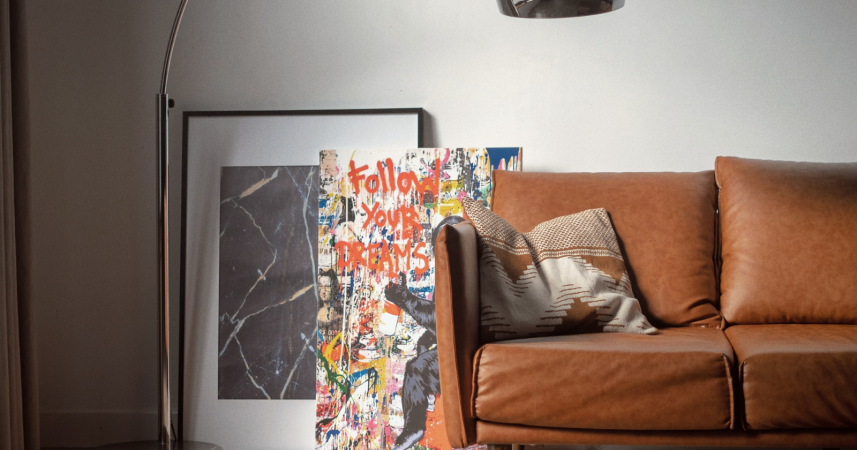
Here’s the thing: faux leather looks decent for about a year. Then the cracks start. The peeling begins. Suddenly, your once “sleek and modern” couch looks like a reptile shedding its skin.
I made this mistake myself years ago, thinking a $399 sectional from a big-box store would “class up” my living room. Within eighteen months, the cushions were cracked and the seat felt sticky in the summer. I ended up dragging it to the curb on a rainy day, embarrassed that this was what I thought looked sophisticated.
Consumer behavior researcher Russell Belk introduced the concept of the “extended self,” suggesting that we often purchase items for the identity they project—not for their actual function. A faux leather couch may say, “I want to look affluent,” but over time, the cheap material tends to expose the truth.
If you’re chasing class, a simple, well-made fabric sofa—something that actually feels good to sit on—is a far safer choice.
2. Glass dining tables
Glass tables are a classic “it’ll look chic” purchase. Until you realize you’ve signed up for daily smudge patrol. Every fingerprint, every water ring, every crumb becomes a glaring spotlight.
I once rented an apartment that came furnished with one. Within two weeks, I hated it. It reflected every overhead light like a bad Instagram filter and never actually looked clean. Hosting dinner? Forget it—you’ll spend half the night wiping instead of enjoying your guests.
As designer Kelly Wearstler has pointed out, “True elegance has warmth at its core.” Glass rarely provides that. It’s fragile, sterile, and constantly reminding you of its upkeep. That’s not luxury—that’s stress.
A solid wood or stone-topped table carries far more quiet confidence. It doesn’t scream, but it doesn’t need to.
3. Overstuffed recliners
You know the ones—giant leather recliners that take up half the living room. They’re sold as “luxury comfort,” but in practice, they look like they were stolen from a suburban man cave.
Now, don’t get me wrong. Comfort matters. I love sinking into a good chair as much as anyone. But oversized recliners overpower small spaces, making the entire room look cramped. They also signal a kind of laziness—like the whole room was designed around one person’s TV habits instead of being a shared, welcoming space.
Traveling through Scandinavia years ago, I noticed how living rooms leaned into lighter, more flexible furniture. A slim lounge chair paired with a footstool carried the same comfort but looked infinitely more stylish. Sometimes, less bulk ismore.
4. Matching furniture sets
Ever walked into someone’s place and noticed the couch, loveseat, and armchair all perfectly matched in the same stiff upholstery? It’s like living inside a showroom.
Matching sets are marketed as “sophisticated,” but in reality, they erase personality. They say, “I didn’t know what to do, so I bought the whole set at once.”
As interior designer Nate Berkus once said, “Your home should tell the story of who you are, and be a collection of what you love.” Matching sets tell no story. They just reveal an obvious attempt to look put-together.
A real sense of class comes from mixing—pairing a vintage armchair with a modern sofa, or layering textures that don’t all come from the same catalog. It creates depth, and more importantly, it feels intentional instead of pre-packaged.
5. Fake marble coffee tables
The marble look is tempting—elevated, timeless, expensive. But the $199 fake-marble coffee table from a discount store? It’s never fooling anyone.
The problem isn’t just the look; it’s the feel. Real marble has a heaviness, a permanence. Fake marble feels like plastic wrapped in a glossy sticker. And once it chips, it gives away the whole illusion.
I made this mistake when I first moved into my own place. The table looked great in the photos online. In person, it was flimsy and had sharp corners that bruised my shins. That’s when I learned: sometimes restraint—waiting for the right piece—is classier than rushing for the look of class.
A well-made wood table, even secondhand, beats fake marble every time. And it ages better too.
6. Ornate headboards
There’s something about tufted, buttoned, overly large headboards that screams “I’m trying too hard.” Especially the ones in velvet or pleather.
The funny thing is, hotels got us hooked on this style. Stay in a mid-tier boutique hotel, and suddenly you think a padded headboard equals luxury. But in a real bedroom, it tends to look dated fast—like a fashion trend that didn’t age well.
Minimalist wooden or fabric headboards, on the other hand, feel timeless. They give off calm, intentional energy instead of “Las Vegas suite knockoff.” And bedrooms, of all places, should feel like sanctuaries, not theme parks.
Environmental psychologist Sally Augustin once noted that bedroom design plays directly into rest quality: “Visual clutter and overstimulation interfere with our ability to relax.” Over-the-top headboards do exactly that—they pull focus instead of fading into the background.
7. Giant entertainment centers
Before wall-mounted TVs were the norm, every lower-middle-class living room had one of these behemoths. You know the type: particleboard units with fake wood veneer, glass cabinets for DVDs you no longer watch, and shelves for knickknacks.
Even now, some people still cling to them, thinking it adds a sense of grandeur. But really, they just swallow the room and date it instantly.
A sleek floating shelf under a mounted TV looks sharper and costs less. Plus, it frees up space—which is arguably the most luxurious thing you can give a room.
When I finally replaced my old entertainment unit with a simple floating console, the entire room breathed differently. Suddenly, the space felt open, modern, and intentional. I realized I hadn’t upgraded just a piece of furniture—I had upgraded the whole mood.
The bottom line
The difference between “trying to look classy” and actually having style often comes down to restraint. Class isn’t about buying what looks fancy in the moment—it’s about choosing pieces that age well, hold meaning, and fit the space.
So before you buy that faux marble table or oversized recliner, pause and ask: does this piece reflect real taste, or just an idea of what taste should look like?
Because nothing cheapens a home faster than furniture that’s pretending to be something it isn’t.
True class is quieter, simpler, and built over time—not bought on sale in a single weekend.
Just launched: Laughing in the Face of Chaos by Rudá Iandê
Exhausted from trying to hold it all together?
You show up. You smile. You say the right things. But under the surface, something’s tightening. Maybe you don’t want to “stay positive” anymore. Maybe you’re done pretending everything’s fine.
This book is your permission slip to stop performing. To understand chaos at its root and all of your emotional layers.
In Laughing in the Face of Chaos, Brazilian shaman Rudá Iandê brings over 30 years of deep, one-on-one work helping people untangle from the roles they’ve been stuck in—so they can return to something real. He exposes the quiet pressure to be good, be successful, be spiritual—and shows how freedom often lives on the other side of that pressure.
This isn’t a book about becoming your best self. It’s about becoming your real self.