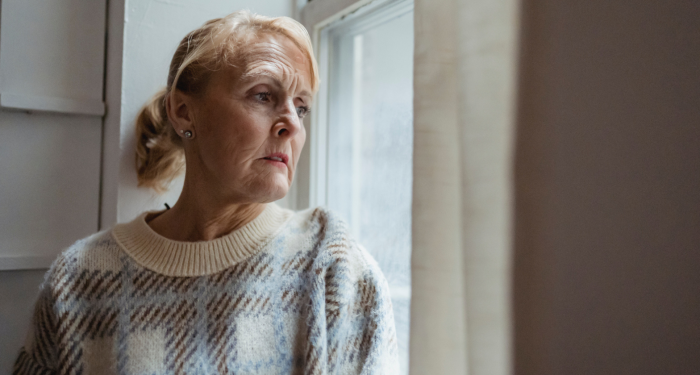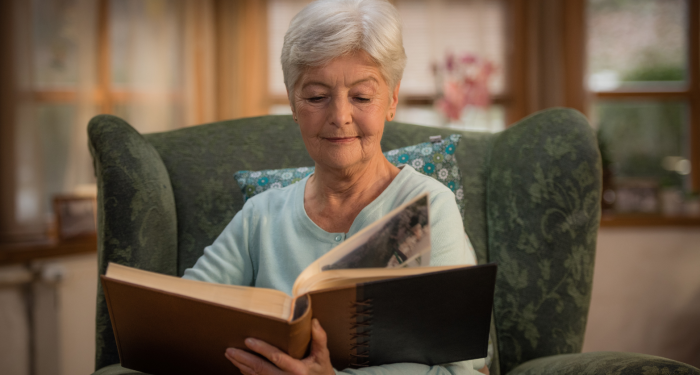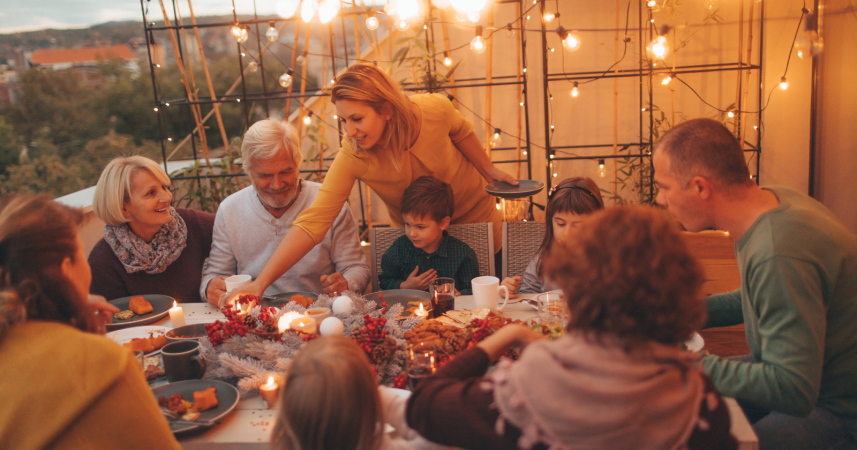
After thirty years of hosting weekly family dinners, I found myself dining alone when my grown children chose new traditions — and in that empty chair across from me, I met someone I'd forgotten existed.

Add VegOut to your Google News feed. 
The house feels different on Sundays now. There's no rush of footsteps at the door, no pile of shoes in the entryway, no chorus of "Mom, something smells amazing!" drifting from the kitchen. The dining room table, once extended with its extra leaf to accommodate everyone, sits quietly in its smaller form. The good china I used to pull out stays tucked in the cabinet, and the roast I perfected over decades remains just a memory in my recipe box.
For three years, Sunday dinners were our sacred tradition. My adult children would arrive around four, we'd eat at five, and they'd leave by seven-thirty. It was clockwork, comfortable, expected. Until it wasn't.
The texts came within days of each other. My daughter had joined a hiking group that met Sunday afternoons. My son's family had started a new tradition with his in-laws. Both messages were kind, apologetic, filled with promises to visit "soon." I stared at my phone, feeling something crack inside me that I couldn't quite name.
When tradition becomes a trap
Have you ever noticed how quickly we build our identities around the roles we play for others? For thirty years, I was the keeper of Sunday dinners. First as a young wife, then as a single mother trying to create stability after divorce, and finally as the matriarch holding everyone together as my children built their own lives.
Those dinners weren't just meals. They were my proof that despite everything—the divorce, the years of struggling alone, the mistakes I made along the way—I had succeeded in keeping us connected. Every Sunday, as I ladled soup into bowls and passed the bread basket, I could tell myself: this is what good mothers do. This is what families look like.
But somewhere along the way, I stopped asking myself a crucial question: was I setting the table because I wanted to, or because I needed to prove something?
The first Sunday without them, I almost canceled the whole ritual. What's the point of roasting a chicken for one person? Why bother with the good placemats? But something made me pause. Maybe it was stubbornness, maybe curiosity. I set one place at the table, using my favorite plate—the one with the small chip on the edge that I usually hid at the bottom of the stack. I lit a candle, poured myself a glass of wine, and sat down to eat alone.
The unexpected gift of solitude
That first solo dinner felt like wearing someone else's shoes. Everything was familiar but wrong. The silence pressed against my ears. I could hear the clock ticking, the refrigerator humming, sounds that had always been there but drowned out by conversation and laughter.
Then something shifted. I realized I was tasting my food—really tasting it—for the first time in years. Usually, I was so busy making sure everyone had seconds, mediating conversations, jumping up to grab forgotten items, that I barely noticed what I put in my mouth. Now, each bite was deliberate. The rosemary on the potatoes. The hint of lemon in the green beans. When did I stop paying attention to the meals I worked so hard to create?
Over the following weeks, my Sunday dinners transformed. I started experimenting with foods I loved but never made because my son disliked mushrooms or my daughter avoided spice. I played music—jazz, which my family tolerated but never enjoyed.
Learning who you are when nobody's watching
Here's what thirty years of Sunday dinners never taught me: I had forgotten how to be alone with myself without feeling lonely. There's a difference between solitude and loneliness, though it took me months to understand it. Loneliness is absence, a gap where something should be. Solitude is presence—your own presence, finally noticed and acknowledged.
I started using these dinners as a kind of meditation. Not the sitting-cross-legged kind (my knee problems put an end to that years ago), but a gentle attention to the present moment. The weight of the fork in my hand. The way candlelight changes the color of wine. The satisfaction of clearing just one plate, washing just one set of dishes.
During one of these quiet dinners, I remembered something I'd written in a previous post about asking for help. I'd learned that skill the hard way when my knees started giving out, but I'd never applied it in reverse. Had I ever asked myself what help I needed from myself? What kindness did I owe to my own spirit?
These dinners became my answer. Every Monday, I make soup from whatever needs using up—a habit from my single mother days when waste wasn't an option. But Sundays? Sundays became about abundance, not for others but for myself. I buy the expensive cheese. I use the cloth napkins. I eat dessert first if I feel like it.
The surprise ending to this story
Six months into my solitary Sunday dinners, my daughter called. "Mom, are you free this Sunday? I miss our dinners. I was thinking maybe we could start them up again, maybe once a month?"
The old me would have leaped at this chance, immediately planning menus and counting place settings. Instead, I paused. "I'd love to have dinner with you," I said. "But things have changed a bit. I keep things simpler now. And sometimes I might not be available—I've started making other plans occasionally."
There was surprise in her voice, then something else. Respect, maybe? We agreed on the third Sunday of each month. My son joined for the fourth Sunday. The table expands again on those days, but it also contracts back to one without any sense of loss.
Final thoughts
Our children leaving isn't a rejection—it's a completion. We raised them to build their own traditions, to create their own sacred spaces. The empty table that once felt like failure now feels like freedom. Not freedom from love or connection, but freedom to discover who we are when we're not actively nurturing others.
These days, I still set the table on Sundays. Sometimes for three, sometimes for six, often for one. Each setting is deliberate, each dinner a choice rather than an obligation. The woman who sits at that table—whether alone or surrounded by family—is someone I hadn't met in thirty years. She was worth waiting for.
If You Were a Healing Herb, Which Would You Be?
Each herb holds a unique kind of magic — soothing, awakening, grounding, or clarifying.
This 9-question quiz reveals the healing plant that mirrors your energy right now and what it says about your natural rhythm.
✨ Instant results. Deeply insightful.
Marlene Martin
Marlene is a retired high school English teacher and longtime writer who draws on decades of lived experience to explore personal development, relationships, resilience, and finding purpose in life’s second act. When she’s not at her laptop, she’s usually in the garden at dawn, baking Sunday bread, taking watercolor classes, playing piano, or volunteering at a local women’s shelter teaching life skills.
More Articles by Marlene