After decades of being the family's default chef, I decided to see what would happen if I simply stopped showing up in the kitchen—but their response to finding empty pots and a cold stove revealed something about our relationship that no perfectly seasoned pot roast ever could.

Add VegOut to your Google News feed. 
The kitchen timer went off at 6 PM like it had every evening for a quarter century. But this time, I silenced it and kept reading my book. No pot roast in the oven. No vegetables steaming on the stove. Just me, curled up in my favorite chair, while my grown children and their families gathered in my dining room for our weekly dinner, completely unaware that the kitchen was cold and empty.
I'd been cooking family dinners since my oldest was born. Through divorce, through single motherhood, through remarriage, through widowhood. The kitchen had been my domain, my contribution, my way of saying "I love you" three times a day for decades. But something had shifted recently. Maybe it was turning seventy, or maybe it was watching my friend struggle to host Thanksgiving with a broken wrist while her capable adult children sat waiting to be served. Whatever it was, I decided to conduct a little experiment.
The moment everything changed
Have you ever noticed how habits become invisible? They're like the wallpaper in your childhood home - so familiar you stop seeing it entirely. That's what cooking had become for me. Not a joy, not even a chore really, just something that happened, like breathing or blinking.
The decision came suddenly. I was making my Monday soup, using up the week's leftovers as always, when I realized I couldn't remember the last time anyone had offered to help. Not with the cooking, not with the planning, not with the shopping. They came, they ate, they thanked me, they left. And I cleaned up.
So I stopped. Not dramatically, not with announcements or ultimatums. I simply stopped cooking for them.
Their first reaction wasn't what I expected
When my son arrived that evening with his family, he walked straight to the kitchen as usual, lifted pot lids that weren't there, opened an empty oven, and stood there confused. "Mom, are we ordering pizza?" he asked, as if the only two options in the universe were mom-cooked meals or takeout.
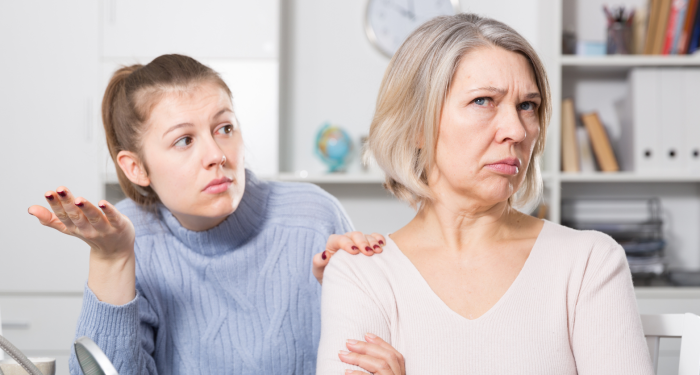
My daughter arrived fifteen minutes later, took one look at her brother's bewildered face, and immediately assumed I was ill. "Are you okay? Should I call your doctor? Do you have a fever?" She actually put her hand on my forehead.
When I explained that I was perfectly fine, just not cooking anymore, they exchanged the kind of worried glances usually reserved for concerns about elderly parents' mental decline. The grandchildren, bless them, immediately suggested we go out for burgers.
But here's what struck me: not one person's first thought was to cook something themselves in my fully stocked kitchen. The idea that they might prepare a meal in my home was so foreign it didn't even occur to them.
What happened over the next few weeks
The first week, they brought takeout. Expensive takeout, the kind with separate containers for sauces and garnishes. They were treating it like a special occasion, a temporary disruption to our routine.
The second week, my daughter suggested we "take turns" ordering food. She created a spreadsheet. A spreadsheet for takeout duty. I wanted to laugh and cry simultaneously.
By the third week, something interesting happened. My son's wife, who had always claimed she "couldn't cook," made a casserole. It was from a box mix, and she apologized for it no less than twelve times, but she made it. In my kitchen. Using my pans.
Do you know what it feels like to sit in your own living room while someone else cooks in your kitchen? It's surreal and wonderful and slightly uncomfortable, like wearing someone else's perfectly fitted shoes.
The unexpected gift they gave me
Here's what I didn't anticipate: they started talking to each other. Really talking. Without me bustling in and out with plates and refills, they had to figure things out together. My son and daughter, who usually communicated through me, started coordinating directly. "What should we do about dinner?" became their problem to solve together.
One evening, I overheard my daughter teaching her teenage daughter how to make a simple pasta dish - the same one I'd taught her thirty years ago. "Your grandmother used to make this for me when I was your age," she said, and I had to excuse myself to cry quietly in the bathroom. Happy tears, but tears nonetheless.
My grandchildren started participating in ways they never had before. The youngest learned to set the table properly. The older ones took turns washing dishes. They complained, naturally, but they did it.
The real gift, though, was time. Suddenly I had two extra hours every Wednesday and Sunday. Two hours I hadn't realized I was giving away. I started using that time to write, to read, to simply sit with a cup of tea and watch the birds at my feeder.
Why I'll never go back completely
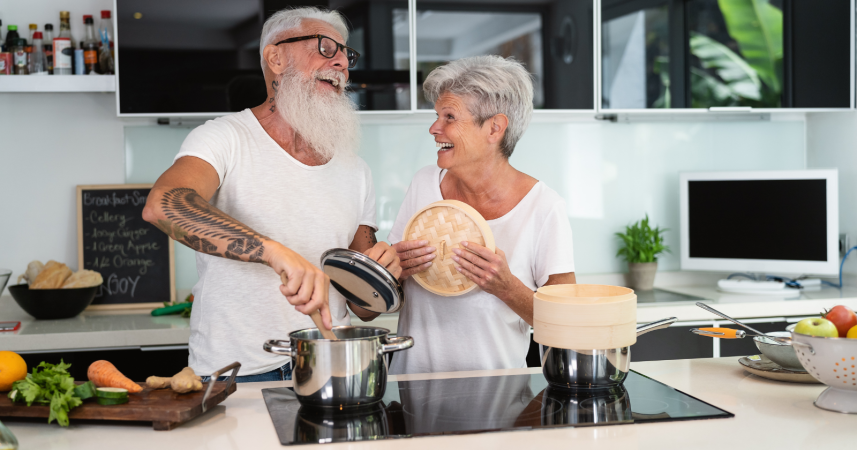
After two months, we found our new rhythm. I cook when I want to, which turns out to be about once a month. I still make my Monday soup, but that's for me and my supper club friends. The family dinners have become true potlucks, with everyone contributing something, even if it's just good bread from the bakery.
The quality of the food has definitely declined. Last week we had frozen lasagna with bagged salad. But the quality of our connections has improved immeasurably. My children now see me as a person who deserves to sit and be served sometimes, not just as the eternal provider of meals.
My daughter recently said something that stopped me cold: "I didn't realize how much we were taking from you until you stopped giving it." She wasn't talking about food.
Final thoughts
Sometimes love looks like stepping back, not forward. It took me seventy years to learn that serving others doesn't always serve them, and that the greatest gift I could give my capable, adult children was the opportunity to be capable adults in my presence.
The kitchen timer still goes off at 6 PM from muscle memory programming, but now it signals the start of something unpredictable. Sometimes it's a meal someone else prepared. Sometimes it's sandwiches eaten while playing cards. Sometimes it's my famous pot roast because I felt like making it, not because it was expected.
The empty kitchen that first night wasn't really empty at all. It was full of possibility, waiting for someone else to step in and fill it with their own version of love.
If You Were a Healing Herb, Which Would You Be?
Each herb holds a unique kind of magic — soothing, awakening, grounding, or clarifying.
This 9-question quiz reveals the healing plant that mirrors your energy right now and what it says about your natural rhythm.
✨ Instant results. Deeply insightful.
Marlene Martin
Marlene is a retired high school English teacher and longtime writer who draws on decades of lived experience to explore personal development, relationships, resilience, and finding purpose in life’s second act. When she’s not at her laptop, she’s usually in the garden at dawn, baking Sunday bread, taking watercolor classes, playing piano, or volunteering at a local women’s shelter teaching life skills.
More Articles by Marlene