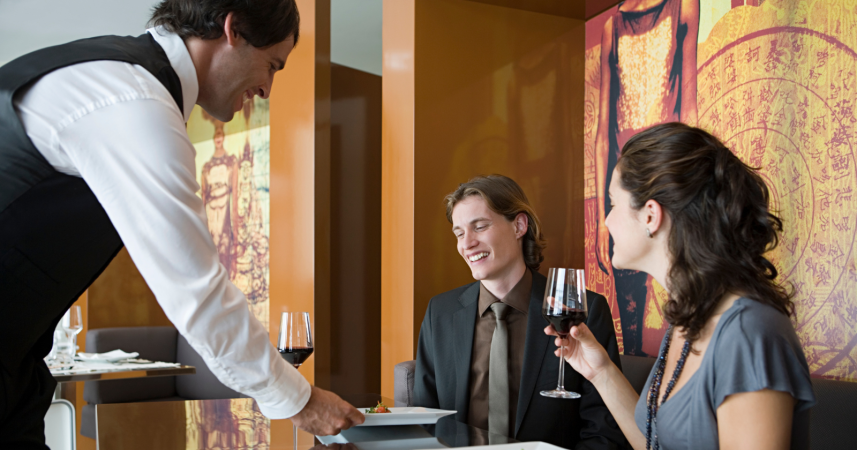
After years serving everyone from tech titans to old-money dynasties in Michelin-starred restaurants, I discovered the subtle behaviors that instantly reveal who truly belongs in any dining room—and it has nothing to do with wealth.
You know that feeling when you walk into a restaurant and instantly know someone doesn't belong there? Not because of what they're wearing or how much money they have, but because of how they carry themselves?
I learned this during my first week working at a Michelin-starred restaurant in my early twenties. I watched a guest snap his fingers at our sommelier like he was calling a dog. The entire dining room seemed to freeze. That same evening, a regular who ran a Fortune 500 company quietly waited fifteen minutes for his table without a single complaint, chatting warmly with the hostess about her recent graduation.
That night taught me something crucial: refinement has nothing to do with your bank account and everything to do with understanding the unspoken rules that govern truly great dining experiences.
After spending over a decade in luxury hospitality, serving everyone from tech moguls to old-money families, I've noticed the same patterns repeatedly. The truly refined diners follow a set of unwritten rules that make them stand out in any restaurant, whether it's a three-star temple of gastronomy or their local bistro.
Here are the ten rules that separate those who get it from everyone else.
1. They never snap, wave, or yell for service
This one still makes me cringe.
Nothing screams "I have no idea how restaurants work" quite like treating servers as servants. The classy diner understands that making eye contact and a subtle raised hand works perfectly. They know that servers are constantly scanning their sections, and aggressive gestures only create tension.
I once served an ultra-wealthy family at a high-end resort who would simply make gentle eye contact when they needed something. Their server would appear within moments, every single time. Meanwhile, the loud guest at the next table who kept shouting "Excuse me!" waited twice as long for everything.
Your server isn't ignoring you. They're managing multiple tables, coordinating with the kitchen, and yes, they've already noticed you need something. Trust the process.
2. They put their phone away during the meal
Here's something I've noticed after years in fine dining: the people who truly appreciate great food never photograph it.
I get it. That beautifully plated dish is Instagram gold. But there's something deeply unrefined about turning every meal into a photoshoot. The sophisticated diner knows that some experiences are meant to be lived, not documented.
And honestly? Nobody cares about your dinner photos as much as you think they do.
3. They know how to handle wine service
Wine service reveals everything about a diner's sophistication level.
When the sommelier presents the wine, they understand it's about checking the label is correct, not performing some elaborate tasting ritual. A simple nod after confirming the vintage works perfectly.
And here's a secret: asking for recommendations isn't a sign of weakness. I've watched CEOs worth billions ask servers for wine suggestions without a hint of embarrassment. They know that expertise should be respected, not challenged.
The pretentious show-off who swirls, sniffs, and pontificates about tannins while everyone else at the table shifts uncomfortably? That person is trying too hard. Real refinement is quiet confidence.
4. They treat every staff member with equal respect
Want to know someone's true character? Watch how they treat the busboy.
The most successful people I served understood that every person in that restaurant contributed to their experience. They thanked the person filling their water glass with the same warmth they showed the head chef.
I remember one regular, a hedge fund manager, who knew every staff member's name, from the coat check to the dishwashers. When he hosted business dinners, his guests always commented on how well the staff took care of him. What they didn't realize was that respect is a two-way street.
The guest who's rude to the hostess but charming to the owner? Everyone in that restaurant knows exactly who they are, and their service reflects it.
5. They never complain loudly or make scenes
Something wrong with your meal? The refined diner handles it like an adult.
They quietly mention the issue to their server without drama or demanding to see the manager. They understand that mistakes happen and that discretion makes resolution easier for everyone.
In my years in fine dining, I saw countless problems resolved beautifully because guests approached them calmly. The kitchen would bend over backward for the guest who quietly mentioned their steak was overcooked. Meanwhile, the person making a scene rarely left satisfied, no matter what we did.
Public confrontation in a restaurant isn't powerful. It's embarrassing. For everyone.
6. They understand timing and pacing
Refined diners know that great meals have rhythm.
They don't rush through courses or linger endlessly after closing time. They understand that when the check arrives unprompted, it's not rude service, it's the restaurant's gentle signal that service is concluding.
I've watched sophisticated diners navigate multi-hour tasting menus with grace, never checking their watches or sighing impatiently. They also know when it's time to leave, reading the room when the restaurant starts dimming lights or resetting tables around them.
This awareness extends to their dining companions too. They match the table's pace, never wolfing down their food while others are still on the appetizer.
7. They know the reservation game
Here's what separates pros from amateurs: understanding that reservations are contracts.
They show up on time. They don't argue when told the kitchen closes in thirty minutes.
When they can't get a reservation at a hot spot, they don't name-drop or throw tantrums. They either book further in advance next time or find somewhere else wonderful to eat. They understand that "Do you know who I am?" is the calling card of someone who definitely isn't that important.
8. They dress appropriately for the venue
This isn't about money or designer labels. It's about context.
The sophisticated diner understands that showing up to a fine dining restaurant in gym clothes is disrespectful to the establishment and other guests. Likewise, they don't overdress for a casual neighborhood spot.
During my time in luxury hospitality, the best-dressed guests weren't always wearing the most expensive clothes. They simply understood the assignment. They knew that dining out is theater, and everyone plays a part in creating the ambiance.
9. They tip properly and discreetly
Tipping reveals character faster than anything else.
The refined diner tips appropriately without making a show of it. No flourishing of bills, no loud announcements about their generosity. They understand that good service deserves good compensation, period.
They also know when to tip beyond the standard percentage, like when they've occupied a table for hours or when the staff went above and beyond. And when service is genuinely poor? They still tip adequately because they understand that everyone has bad days.
10. They never pretend to be more important than they are
Finally, the ultimate mark of refinement: authenticity.
The truly sophisticated diner doesn't need to announce their importance, drop names, or fabricate stories about knowing the chef. They don't pretend their dietary preferences are allergies or claim to be regulars when they've never been there before.
I served plenty of genuinely powerful people who never once mentioned their accomplishments. Their confidence came from within, not from trying to impress the staff or their dining companions.
The person desperately trying to seem important? They're usually anything but.
Final thoughts
After all those years watching people navigate restaurant dynamics, I learned that refinement isn't something you can buy or fake. It's a mindset built on respect, awareness, and understanding that dining out is a collaborative experience.
These rules aren't about snobbery or exclusion. They're about making every meal more enjoyable for everyone involved, from your dining companions to the dishwasher working behind the scenes.
The most successful people I served understood something fundamental: how you behave in a restaurant reveals who you are when you think nobody important is watching. Except everyone is watching, and in the end, everyone is important.
Master these unspoken rules, and you'll never feel out of place in any dining room again. More importantly, you'll contribute to making every meal a more civilized, enjoyable experience for everyone around you.
What’s Your Plant-Powered Archetype?
Ever wonder what your everyday habits say about your deeper purpose—and how they ripple out to impact the planet?
This 90-second quiz reveals the plant-powered role you’re here to play, and the tiny shift that makes it even more powerful.
12 fun questions. Instant results. Surprisingly accurate.