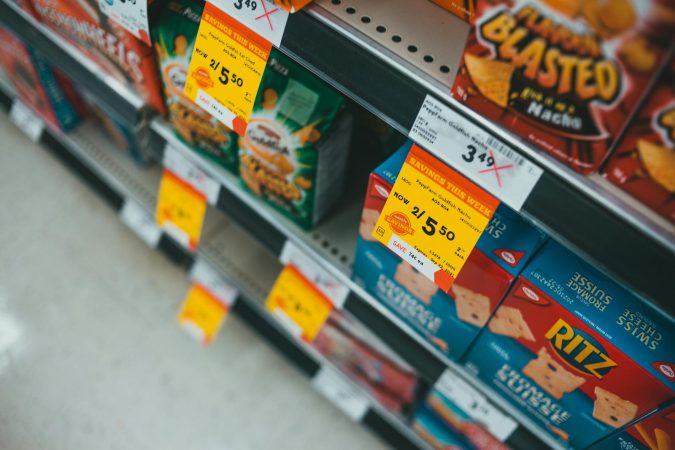
Whole Foods shoppers are discovering that roughly 40% of the chain's store-brand products have quietly increased in price, with some staples jumping 15-20% — and the timing couldn't be worse amid rising grocery costs across the board.

Add VegOut to your Google News feed. 
The USDA projects that food-at-home prices will continue climbing through 2026, and nowhere has that reality landed harder than the aisles of Whole Foods Market, where shoppers are reporting increases in prices on the retailer's 365 Everyday Value and store-brand products over recent months. The increases weren't announced with fanfare, and many customers have noticed their grocery bills rising.
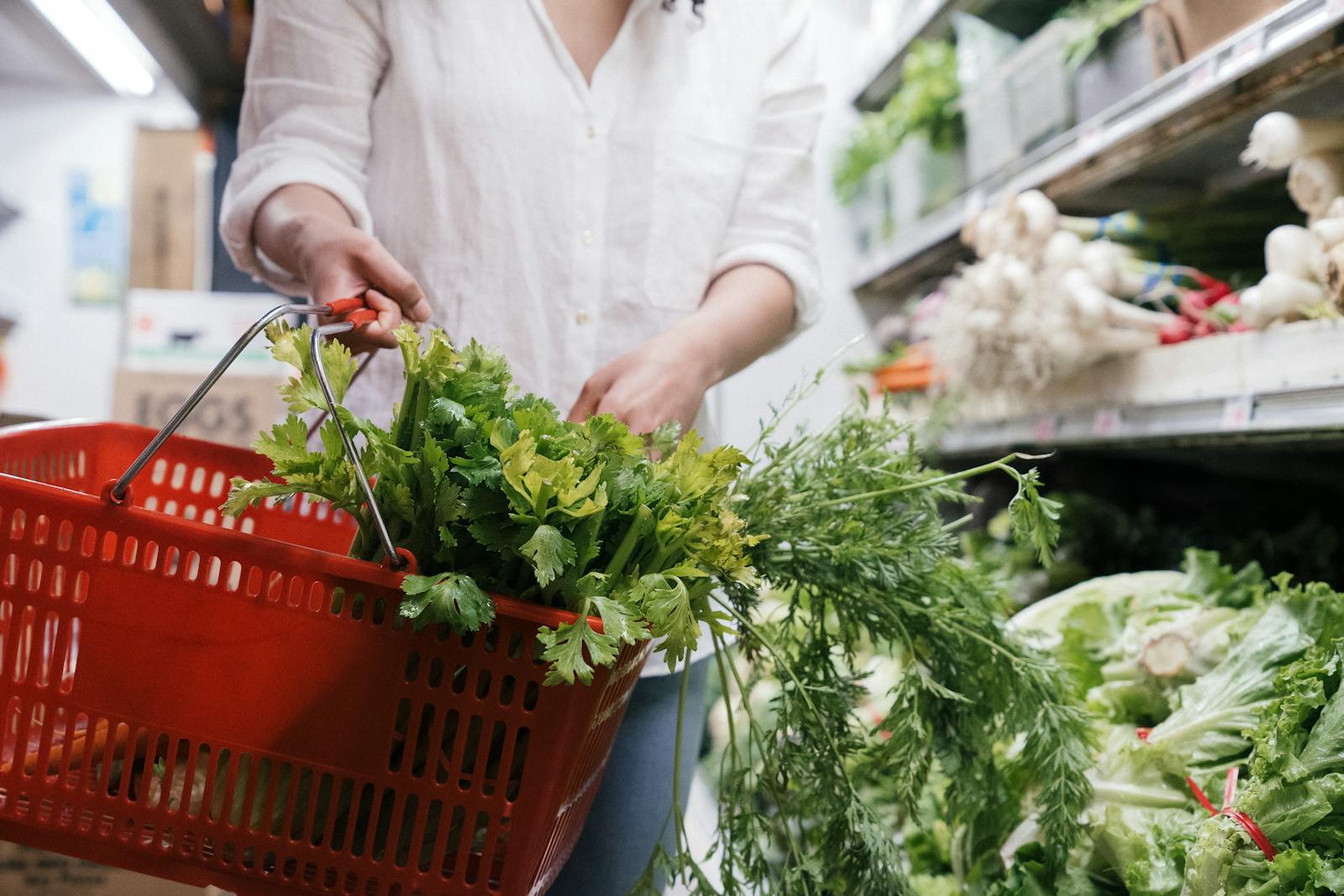
The price hikes appear to span categories that hit plant-based shoppers especially hard: organic pantry staples, non-dairy milks, frozen meals, and prepared foods. Social media discussions have surfaced with shoppers sharing receipt comparisons, and concerns about rising prices are consistent. Whole Foods hasn't issued a public statement specifically addressing store-brand increases, but the timing tracks with broader industry-wide grocery inflation that the USDA has been flagging for months.
This matters because Whole Foods' store brands were supposed to be the accessible entry point — the reason Amazon's acquisition promised to make the chain less "Whole Paycheck" and more, well, normal. For shoppers who've been building their weekly meals around affordable organic and plant-based basics, price increases change the math. And according to recent analyses comparing grocery chains on affordability, Whole Foods faces pricing competition from chains like Aldi, Lidl, and even Walmart's expanding organic lines.
The bigger picture is shifting shopping behavior that analysts say is reshaping how Americans shop in 2026. Consumer trends suggest shoppers are increasingly trading brand loyalty for value, buying in bulk, and switching to store brands at competitors. For people who care about eating well without blowing their budget, the calculus is shifting fast. VegOut previously explored the idea that simple, whole-food meals can outperform expensive wellness trends — and that philosophy becomes even more relevant when your go-to grocery store starts pricing you out of the basics.
None of this means Whole Foods is the villain here. Rising input costs, supply chain pressures, and tariff uncertainty are squeezing every grocer in the country. But Whole Foods built its recent reputation on being the place where eating consciously didn't have to mean eating expensively. When your store brands get more expensive, that trust takes a hit — especially for the shoppers who were already stretching to shop there in the first place.
The move worth watching now: whether Amazon responds with Prime member discounts or promotional rollbacks to stop the bleeding. Until then, keep your receipts. Literally.
Feature image by Erik Mclean on Pexels
If You Were a Healing Herb, Which Would You Be?
Each herb holds a unique kind of magic — soothing, awakening, grounding, or clarifying.
This 9-question quiz reveals the healing plant that mirrors your energy right now and what it says about your natural rhythm.
✨ Instant results. Deeply insightful.

Jordan Cooper
Jordan Cooper is a pop-culture writer and vegan-snack reviewer with roots in music blogging. Known for approachable, insightful prose, Jordan connects modern trends—from K-pop choreography to kombucha fermentation—with thoughtful food commentary. In his downtime, he enjoys photography, experimenting with fermentation recipes, and discovering new indie music playlists.
More Articles by Jordan