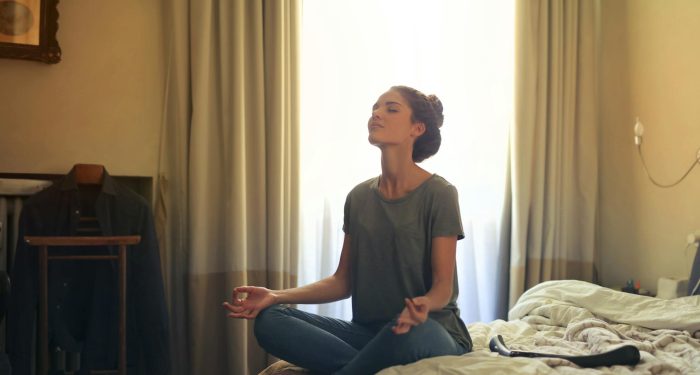
The wellness industry promises rest but delivers another performance metric. Why burnout is climbing even as we consume more meditation apps, breathwork courses, and optimization content than ever before.
The wellness industry is worth trillions globally, and the people most embedded in it are among the most exhausted people alive. Look at the data: burnout rates have reached historic highs, with discussions of it surging significantly from early 2024 to early 2025 — even as meditation apps, breathwork workshops, and morning routine content have never been more popular. Something is clearly not working, and the gap between how much wellness we consume and how little rest we actually experience deserves closer scrutiny.
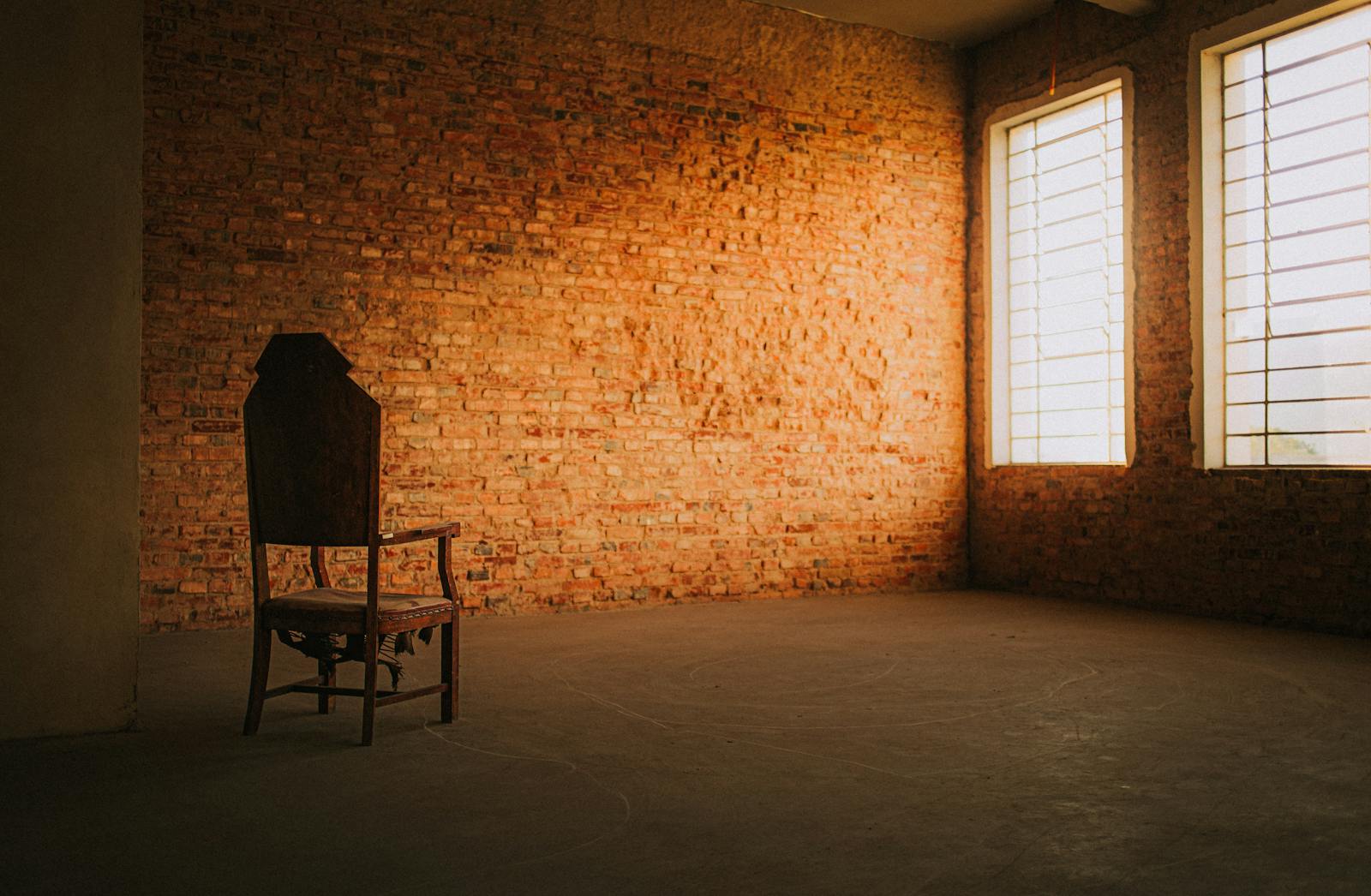
The conventional wisdom says the fix for exhaustion is more and better self-care. A better morning ritual, a more consistent journaling habit, a fancier supplement stack. And some of that genuinely helps some people some of the time. The counterargument worth taking seriously, though, is this: what if the constant effort to optimize rest is itself a form of labor? What if the chair you're sitting in — just the chair, no cushion, no intention — is actually the thing your nervous system has been asking for?
When rest becomes another task on the list
There's a particular flavor of fatigue that doesn't respond to a wellness routine. It's the tiredness of someone who has been doing everything right — hydrating, meditating, tracking sleep, taking the adaptogens — and still wakes up heavy. The habit stack is pristine. The body hasn't gotten the memo.
Research has explored why self-optimization often fails. The paradox of building elaborate wellness systems — the home gym, the aesthetic morning ritual — only to find that the effort of construction becomes its own source of stress. The optimization mindset treats rest as a problem to be engineered. But engineering is work, and work is the opposite of what your body is requesting when it sends exhaustion signals.
I think about this every time I see a how-to-rest-better listicle that includes seven items, three of which require purchasing something new. Sustainability, as I've come to understand it, isn't a purchase choice. It's about reducing consumption first. The same principle applies to rest. Real rest doesn't require acquisition. It requires permission.
Your nervous system knows the difference
The body keeps a kind of score that wellness routines can't fake. Your autonomic nervous system has two main branches: the sympathetic system, which handles your fight-or-flight response, and the parasympathetic system, which governs rest and recovery. When you sit down to meditate because you believe you should — because the algorithm told you, because your therapist suggested it, because everyone on your feed seems calmer than you — your sympathetic nervous system may not actually stand down.
Why? Because intention matters neurologically. If the goal of your meditation is to become more productive, your nervous system registers productivity as the desired state, not rest. The sympathetic branch stays activated. Your heart rate doesn't fully drop. Your parasympathetic system — the one responsible for actual recovery, digestion, immune function — gets less runway than it needs.
This isn't woo. The sympathetic nervous system, when chronically activated by stress, leads to measurable changes: elevated blood pressure, rapid heart rate, digestive problems. And chronic stress doesn't distinguish between deadline-at-work stress and I-must-optimize-my-downtime stress. Both register as demands. Both keep the body in a mobilized state.
The specific kind of rest the title of this piece describes — just sitting in a chair because you're tired and the chair is there — is the absence of demand. No outcome. No metric. No app tracking your session length. That absence is precisely what allows the parasympathetic branch to do its work.
What your brain does when you stop trying
Here's what's remarkable: when you stop directing your attention, your brain doesn't go dark. It lights up in a completely different way.
Neuroscience research has identified what neuroscientists call the default mode network — a network of brain regions that become more active when you're not doing anything in particular. Not meditating. Not focusing. Just existing. Research has confirmed that this activity defines a coherent network of interacting brain regions: the default mode network.
The default mode network handles functions that sound like the opposite of productivity: mind wandering, remembering past experiences, thinking about other people's mental states, envisioning possible futures. Researchers have theorized that these seemingly unrelated functions serve a unified purpose — they help construct your internal narrative. Your sense of self.
In other words, when you're staring at the ceiling doing nothing, your brain is actively building your understanding of who you are.
This is not a process you can optimize your way into. Neuroscience research has shown that the default mode network interacts with the salience network — the system that identifies what's important to pay attention to. When the salience network detects something demanding your focus, it effectively switches the default mode network off. Every goal-oriented wellness practice, even gentle ones, can trigger this switch. You set an intention. Your salience network registers it. Your default mode steps aside.
The chair, again. Just the chair.
The economy of performed wellness
It's worth asking who benefits when rest requires a purchase. The wellness economy didn't grow to its current size by telling people to sit in chairs they already own. It grew by repackaging ancient, free practices — breathing, sitting quietly, walking outside — as products with premium tiers.
This isn't a conspiracy. It's how markets work. If stillness is free, there's no margin in it. So stillness gets rebranded as mindfulness, which gets productized into an app, which gets gamified with streaks and badges, which gets bundled into a corporate wellness package that employers offer as a leadership performance tool. Each step adds a layer of expectation — and each layer of expectation makes the practice a little less restful.
The structural incentive is clear. Companies profit from the narrative that you need more tools to rest properly. And when those tools don't work — because the problem was never a lack of tools — the solution presented is more tools. Better tools. The upgraded subscription.
Meanwhile, the thing that actually works costs nothing and can't be sold.
What non-performative rest actually looks like
I want to be specific, because vagueness is the enemy of anything useful.
Non-performative rest looks like sitting in a room without reaching for your phone. It looks like lying on the floor for twenty minutes because the floor is cool and your back is warm. It looks like standing on a fire escape watching traffic and not calling it a mindfulness practice. It looks like going to bed at 8:30 p.m. on a Friday with no narrative about honoring your body — you're just tired.
It has no aesthetic. Nobody is photographing it. There is no before and after.
Sofia and I have lived together for four years, and one of the things I'm most grateful for is how we've wordlessly agreed that a person sitting silently on the couch is not a person who needs to be asked if they're okay. Sometimes one of us is just sitting there. That's the whole thing. No deeper meaning. No crisis. Just a body at rest in a room it trusts.
That trust is the key. Your nervous system doesn't relax in environments where it's being evaluated, including self-evaluation. The moment you start evaluating whether you're resting correctly, the rest is over. You're performing again.
The difference between stillness and stagnation
A fair objection: doesn't this just describe doing nothing? And isn't doing nothing sometimes a sign of depression, not health?
Yes. Context matters enormously. The kind of rest I'm describing feels different from numbness. Numbness is the absence of sensation. Non-performative rest is the presence of it — you feel the chair, you hear the street noise, you notice you're breathing. You're not checking out. You're deciding to stop chasing the next thought, the next task, the next improvement.
Research on default mode brain activity has found that during rest, when we turn mentally inward, task-negative brain areas use more energy than the rest of the brain. Your brain isn't idle. It's integrating experience, processing memory, constructing meaning. The difference is that you're not directing it. You're letting it run its own program.
Depression, by contrast, often involves rumination — a hijacking of the default mode network into repetitive, self-critical loops. Researchers have explored whether this represents a dysfunction in how the default mode interacts with other brain networks. The findings are still evolving, but the distinction between restful wandering and ruminative looping is real, and most people can feel it if they pay attention.
Rest as a design problem
I studied environmental design, and one of the first things you learn is that spaces shape behavior. A room with no comfortable seating doesn't invite rest, regardless of how many inspirational quotes are painted on the walls. A city with no benches produces people who never sit down.
The same principle applies internally. If your mental architecture is designed around constant optimization — tracking, measuring, improving — there's no comfortable place to sit inside your own mind. You have to redesign the space. Remove some of the furniture. Let there be an empty room.
This is not anti-wellness. Meditation is valuable. Journaling can be transformative. Movement is essential. The problem emerges only when these practices become compulsory, when skipping a morning routine produces guilt instead of simply being Tuesday.
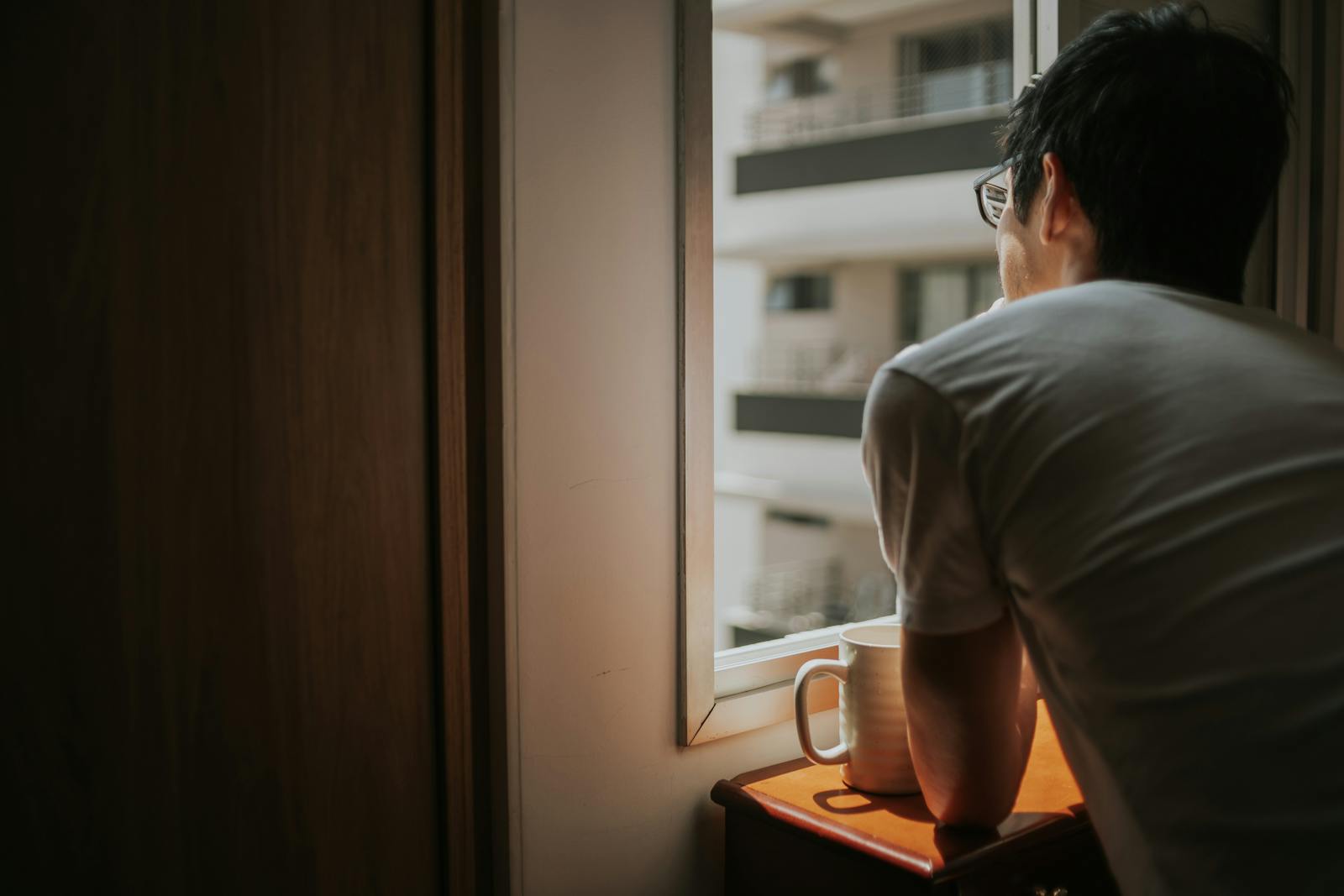
The most sustainable approach to anything — food, clothing, rest — involves fewer, simpler inputs, not more. I've worn the same black leather jacket since I was 19. I still wake at 5:30 most mornings. Some mornings I sit with coffee and look out the window for a long time before doing anything at all. I don't call that a practice. I just call it the morning.
The chair is there. You're tired. Sit down.
That's the whole practice.
If You Were a Healing Herb, Which Would You Be?
Each herb holds a unique kind of magic — soothing, awakening, grounding, or clarifying.
This 9-question quiz reveals the healing plant that mirrors your energy right now and what it says about your natural rhythm.
✨ Instant results. Deeply insightful.