
Generous people often struggle to receive help because their identity is built around being the giver. Accepting support feels like losing the value that makes them feel worthwhile.
The person in your friend group who always picks up the tab, who shows up with groceries when you're sick, who insists on driving even when it's out of their way, is often the same person who deflects every offer of help like it's a physical threat. This isn't coincidence. It's architecture. Somewhere along the way, they learned that their value lives in what they provide, and receiving anything back feels like it dismantles the structure holding them together.
This article isn't about why that's admirable. It's about why generous people struggle to receive — what drives the refusal, what it costs them, and what it actually looks like when that pattern starts to loosen.
When generosity becomes the whole identity
Most of us have roles we slip into within our relationships. The funny one. The planner. The listener. But the giver role carries a specific psychological weight because it comes with a built-in reward system that reinforces itself. Research suggests that prosocial spending produces a "warm glow" that increases well-being more than equivalent spending on oneself. That glow feels like confirmation. It feels like proof that you matter.
The problem is what happens when that glow becomes the only light in the room.
When someone's self-worth is organized around provision, every act of generosity serves double duty. It helps the other person, yes. But it also answers an internal question the giver may not even realize they're asking: Am I still needed? The moment that question goes unanswered, or worse, when someone else steps in to provide for them, the ground shifts.
Studies on identity and role-based value suggest that when people lose the function they've built their sense of self around, the psychological fallout isn't just discomfort. It can feel like an existential threat. The giver who can't receive isn't being modest. They're protecting the only version of themselves they trust.
The childhood deal most givers don't remember making
I think about my friend Sofia sometimes when this topic comes up. She's the most generous person I know, the kind of person who remembers your allergies, who texts you the name of the book you mentioned wanting three months ago because she already bought it for you. But when she went through a rough patch last year and I offered to cover dinner, she looked at me like I'd suggested something offensive.
That reaction isn't random. Psychological research suggests that compulsive giving often traces back to early environments where love or safety was contingent on usefulness. A child learns that being the helpful one, the caretaker, the fixer, is what earns them a place. That belief doesn't stay in childhood. It calcifies. It follows people into adult friendships, romantic relationships, workplaces. The person who always organizes the group trip, who always remembers the birthday, who always volunteers first, may be running on a contract they signed before they could read.
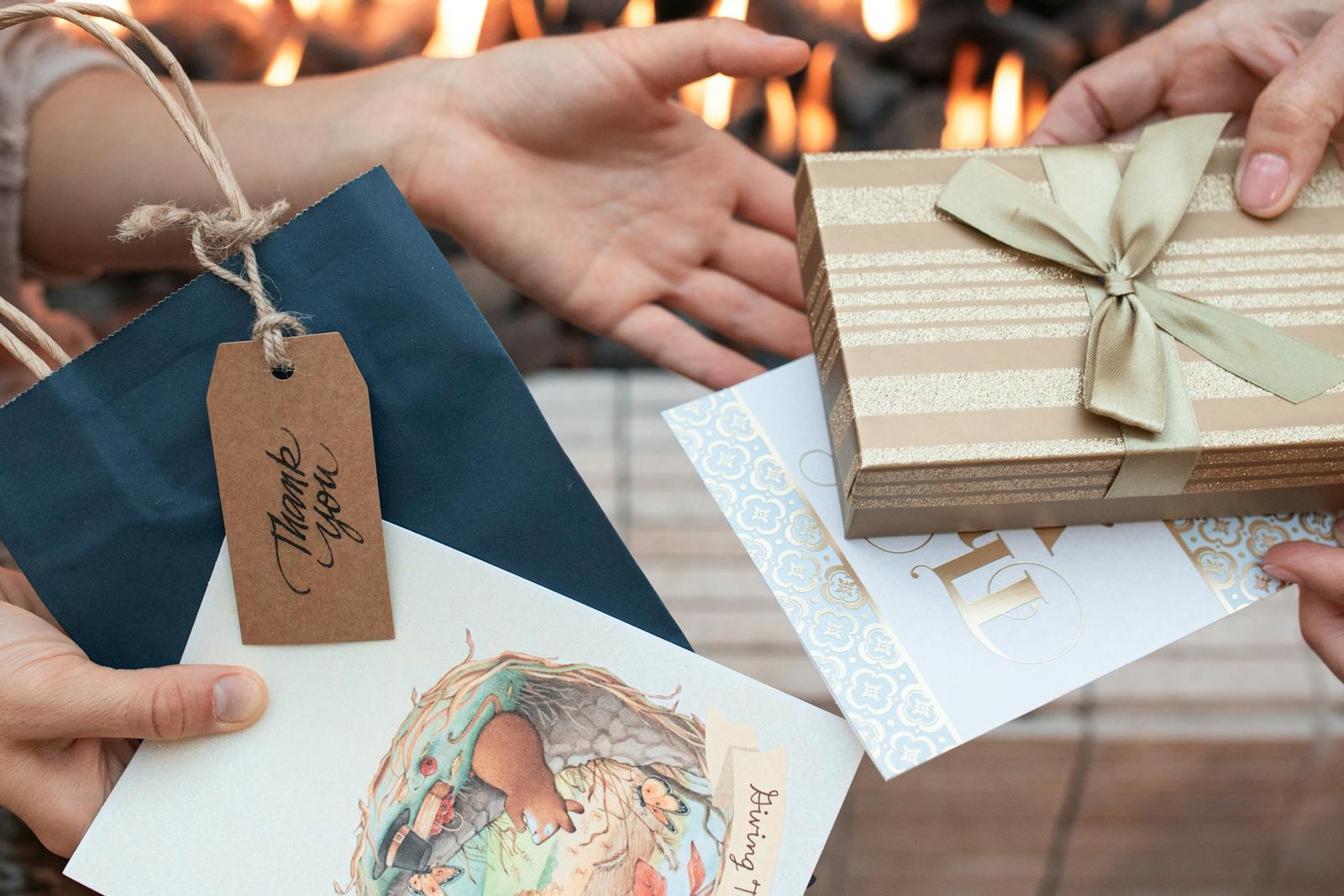
And here's what makes this tricky: the behavior looks good from the outside. Nobody stages an intervention for the friend who's too generous. We celebrate them. We rely on them. Which means the pattern rarely gets examined until it starts to cost the giver something they can't afford to lose.
Control, power, and what generosity can hide
There's something else operating beneath chronic generosity that we rarely talk about, and it has to do with control. When you're always the one giving, you hold a specific kind of social position. You set the terms. You decide when, how much, and to whom. Receiving, by contrast, requires surrender. It requires trusting someone else to show up without you orchestrating the outcome.
The psychology of gift-giving reveals that gifts carry implicit social weight. Classic anthropological insights suggest that giving creates a three-part obligation to give, receive, and reciprocate. When one person in a relationship is always on the giving side, what looks like generosity can quietly produce moral leverage — a dynamic where the giver expects (sometimes unconsciously) gratitude, loyalty, or deference in return.
This doesn't make generous people manipulative. Most of them would be horrified to hear their kindness described this way. But the relational outcome can look like access rather than intimacy, a dynamic where people stay for the comfort of provision rather than mutual vulnerability. And for the giver, that's a lonely place to live, surrounded by people who appreciate you but may not actually know you.
If you've ever been the peacekeeper in your family, this dynamic might feel familiar. The roles we adopt early in life to keep things running smoothly have a way of becoming permanent positions we never applied for but can't seem to quit.
What refusing help actually protects
So if the giver isn't just being polite when they wave away your offer, what are they protecting?
Several things at once. The first is predictability. When you're the one giving, you know the script. Receiving introduces uncertainty, and for someone whose sense of safety is tied to being useful, uncertainty feels dangerous.
The second is the avoidance of debt — not financial debt, but the social and emotional kind. Studies on defense mechanisms suggest that people develop unconscious strategies to manage anxiety and maintain self-esteem. For chronic givers, the strategy is simple: if you never owe anyone anything, you never have to face the vulnerability of being in someone else's hands.
The third, and probably the deepest, is the fear of being ordinary. If you strip away the generosity, if you're just another person at the table with needs and limitations and empty hands, who are you? For someone who's built their entire social identity around being the provider, that question isn't philosophical. It's terrifying.
The burnout nobody talks about
Chronic over-giving has a cost, and the research on it is clearer than most people realize. Studies on caregiving and burnout suggest that continual self-sacrifice increases the risk of emotional exhaustion, resentment, and loss of self-clarity. People who repeatedly put others' needs ahead of their own report feeling invisible unless they are providing, and ashamed when they notice the resentment building inside them.
That shame is the cruelest part. The giver notices they're exhausted. They notice they feel taken for granted. But admitting that feels like a betrayal of their own identity. How can you be the generous one and also the one who's keeping score? How can you be the person everyone relies on and also the person who's running on empty?

And the relationships built on this foundation, however warm they appear, often lack the one ingredient that makes connection real: reciprocity. Not transactional reciprocity, not keeping a ledger, but the kind of back-and-forth where both people get to be both strong and vulnerable, both the helper and the helped. Without that, even the closest friendship can start to feel like a performance.
Receiving as a practice, not a personality transplant
None of this means generous people need to stop giving. That's like telling a writer to stop noticing things. The impulse itself isn't the problem. The problem is when giving becomes compulsive, when it's driven by fear rather than choice, and when it crowds out every other way of connecting.
The shift isn't dramatic. It's small and uncomfortable and ongoing. It looks like letting someone else pay without making a joke to deflect the awkwardness. It looks like accepting offers of help without immediately planning how to repay them, and sitting with the vulnerability that follows. It looks like allowing yourself to be known as something other than the person who always shows up with everything handled.
I grew up watching two cultures handle this tension differently. My Brazilian family treated receiving as its own form of generosity. You accepted the plate of food, the extra helping, the gift, because refusing it would insult the person offering. My American side was more transactional about it, more concerned with keeping score, making sure no one owed anyone too much. Neither approach addressed the deeper question of what happens when someone can't let themselves be on the receiving end at all.
I've watched this play out in my own friendships. The people who mean the most to me aren't the ones who've given me the most. They're the ones who've let me give back. Who've called me when they needed something. Who've trusted me enough to be imperfect in front of me. That kind of friendship that lasts decades isn't built on one person always holding everything together. It's built on the willingness to take turns.
The most generous people I know are learning, slowly, that receiving doesn't diminish them. That needing something doesn't erase their value. That the people who love them aren't staying because of what they provide — they're staying because of who they are when they stop providing.
That's the hardest thing for a giver to believe. Not because the evidence isn't there. But because believing it means letting go of the only safety they've ever known. And letting go, it turns out, is its own form of generosity — the kind that finally includes yourself.
What’s Your Plant-Powered Archetype?
Ever wonder what your everyday habits say about your deeper purpose—and how they ripple out to impact the planet?
This 90-second quiz reveals the plant-powered role you’re here to play, and the tiny shift that makes it even more powerful.
12 fun questions. Instant results. Surprisingly accurate.