For years, you've been designing your space for someone else—a more polished, more accomplished version of yourself. What happens when you finally furnish it for the person you actually are?
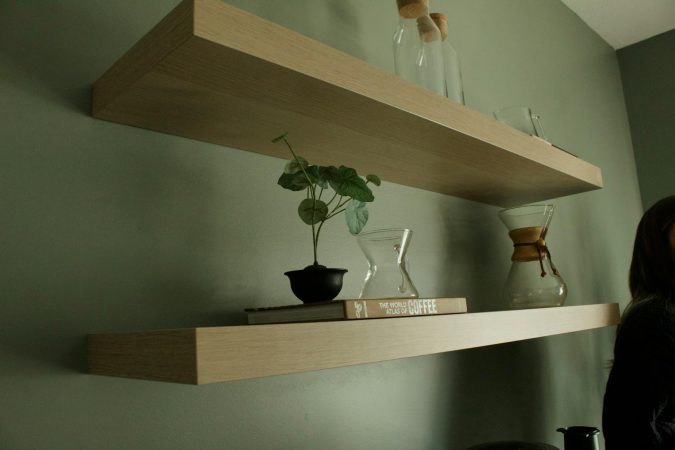
It wasn't a dramatic moment. There was no breakdown, no grand revelation in the middle of IKEA. It was quieter than that. I was standing in my Brooklyn apartment last October, looking at a row of floating shelves I'd spent an hour arranging by spine color, and I realized I hadn't read a single one of those books. The ceramic vase on the table had never held flowers. The linen curtains made the room feel like a waiting room for a life I wasn't living. I was 29, and every corner of the space had been curated for a woman who didn't exist.
That's the thing no one tells you about aspirational decorating. Pinterest boards, Instagram saves, design magazines (I've got stacks of them on every surface) all push the idea that your home should reflect who you're becoming. Decorate for the life you want. Buy the couch that matches your future self. The assumption is that growth requires a kind of visual scaffolding, and that the right objects in the right arrangement will pull you forward into a better version of yourself.
But what if that framing is the problem? What if designing for a future self you can't quite define is just another way of refusing to sit still with the person you already are?
The gap between the apartment and the person inside it
That question landed harder than I expected. I'd spent most of my twenties acquiring things for a hypothetical life. A minimalist ceramic vase for the version of me who arranged fresh flowers weekly. A standing desk for the version of me who wrote every morning before work. A set of linen curtains for the version of me who valued calm, clean light, even though I actually love the chaos of color and the thick, woven textiles I grew up surrounded by in São Paulo.
I was performing a kind of interior design cosplay. And I wasn't alone in it.
The late twenties are a period where a lot is expected of young people still figuring out who they are. The pressure doesn't just show up in career choices and relationships. It shows up in the objects we surround ourselves with, the spaces we build, the visual story we tell about ourselves to anyone who walks through the door.
The so-called quarter-life crisis gets talked about in terms of jobs and money. But the more private version of it is spatial. It's the feeling that your apartment doesn't match who you are because you've been furnishing it for someone you haven't become yet.
When aspirational design becomes another word for avoidance
There's real psychology behind this disconnect. Research on values alignment suggests that when your external choices don't reflect your actual internal priorities, the result isn't motivation. It's chronic low-grade dissatisfaction. Psychology Today frames this as the difference between living according to your stated values and living according to your practiced ones. The gap between the two produces friction, and it applies as much to the objects in your kitchen as it does to how you spend your workday.
That friction compounds when your space is involved. You can leave a job that doesn't fit. You can end a relationship that makes you feel like a stranger. But your apartment is the place you return to every single night. When the stated values and the lived experience don't match there, in the most private and constant environment you have, the result is erosion, not inspiration. You start feeling like a guest in your own home.
My apartment was full of that kind of hypocrisy. The minimalist vase sat empty for months. The standing desk became a surface for piling mail. The linen curtains made the room feel cold and blank in a way that made me want to leave it.
I was living inside a Pinterest board. And I was miserable.
What it looked like when I stopped
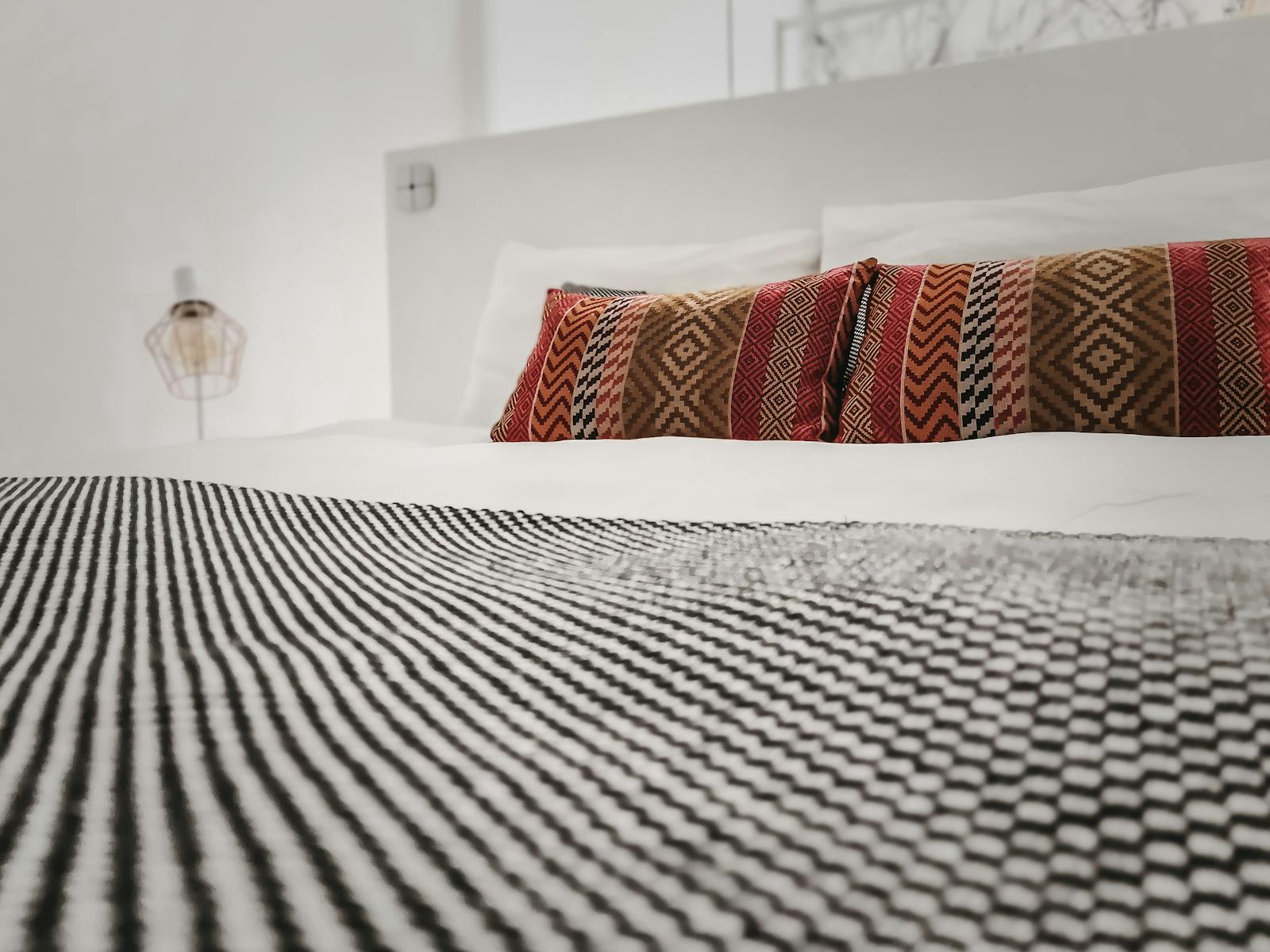
The shift didn't happen in one dramatic weekend of redecorating. It started small. I took down the linen curtains and replaced them with a pair of heavy, embroidered panels I'd found at a flea market in Red Hook months earlier and stashed in a closet because I thought they didn't match. They were too much. Too bright. Too obviously influenced by the textile traditions I'd spent a year studying in Central America, the kind of patterns my Brazilian grandmother would have loved, the kind of fabric that felt like home in a way I'd been actively avoiding.
I hung them. The room changed immediately.
Then I pulled the design books off the floating shelves and replaced them with the actual books I read: worn paperbacks, secondhand poetry, a Brazilian cookbook with a cracked spine from real use. I moved the ceramic vase to a high shelf and put a clay pot I'd carried back from Guatemala on the table instead. It was chipped. It was imperfect. It was mine.
Sofia watched all of this happen over the course of a few weeks and said something that stuck: the space finally looked like I actually lived there.
She was right. For three years, my apartment had looked like a showroom for someone else's life. The moment I let it look like mine, imperfect and specific and a little overstuffed with texture, it became somewhere I actually wanted to be.
Furnishing for who you actually are
The alternative isn't settling. I want to be clear about that. Designing for your actual self isn't some exercise in lowered expectations or anti-ambition. It's the opposite.
I wrote recently about how spending your twenties building beautiful things for everyone except yourself is a quiet form of self-erasure. The apartment version of that story is the same. When you design a space to impress people who might visit rather than to hold the person who actually sleeps there every night, you're making yourself a guest in your own home.
Therapists who work with young people during the quarter-life period often advise against constant comparison. The carefully lit shelf on someone's Instagram is their highlight reel. Your real life is messier, more specific, and more interesting than anything you could curate from a mood board.
For me, that meant accepting some truths. I don't host dinner parties. I eat cross-legged on the couch with a bowl balanced on my knee. I don't need a dining table for eight. I need a deep, comfortable sofa and a side table that can hold a plate and a glass of something. I don't meditate in a designated corner. I sit in the window with my coffee and stare at nothing for ten minutes before the day starts. I didn't need a meditation cushion. I needed a wider windowsill.

The permission to be specific
The hardest part of furnishing for your real self is admitting who that self is. It requires the kind of values alignment that organizational psychologists talk about in leadership contexts, but applied inward. What do you actually do every day? Not what do you wish you did. Not what you told yourself you'd start doing in January. What does your life actually look like at 7 a.m. and 10 p.m.?
I grew up between two cultures with very different relationships to objects and space. In my Brazilian family's home, every surface was layered, warm, full of history. Things didn't match. They accumulated. They told stories. My American side valued clean lines, purpose, efficiency. For years I defaulted to the American version because it felt more "designed," more intentional, more worthy of being seen. But it wasn't me.
The apartment I have now is a mess of both. Vintage textile samples pinned to the wall next to a simple IKEA bookshelf. Plants overflowing their pots. A flea market rug that clashes with the couch in a way that makes me happy every time I look at it. Nothing in the room would make a design blog. Everything in the room makes it mine.
I've written before about what happens when you stop shopping to fill an emotional gap. The apartment version of that lesson is this: the gap between your space and your satisfaction isn't filled by buying the right thing. It's filled by being honest about who's going to use it.
Home as practice, not performance
I'm not suggesting everyone throw out their nice furniture and live in deliberate chaos. The point is narrower than that. It's about asking one question before every decision you make about your space: is this for me, or for the person I think I should be?
If you actually love minimalism, be minimal. If you actually host, buy the long table. If you genuinely use a standing desk, stand. But if the standing desk has been a coat rack for eleven months, sell it and reclaim the floor space for the yoga mat you actually roll out, or the dog bed your actual life revolves around, or just open air where nothing sits at all.
Your apartment is the most intimate record of how you spend your time. When it reflects the truth, something shifts. You stop bracing yourself when you walk through the door. You stop seeing your own home as a to-do list of self-improvement projects. You start sitting down.
I'm turning 30 this year. The version of me I thought I should become by now doesn't exist. She never did. The version of me who's actually here drinks coffee at the window, reads dog-eared novels, and hangs too many textiles on the walls.
The apartment didn't change that much. A few things came down. A few things went up. Last week I came home late, dropped my bag by the door, and stood in the living room for a moment before turning on the lights. The embroidered curtains caught the streetlight. The chipped clay pot sat on the table where I'd left it that morning. Nothing in the room was perfect. Nothing needed to be.