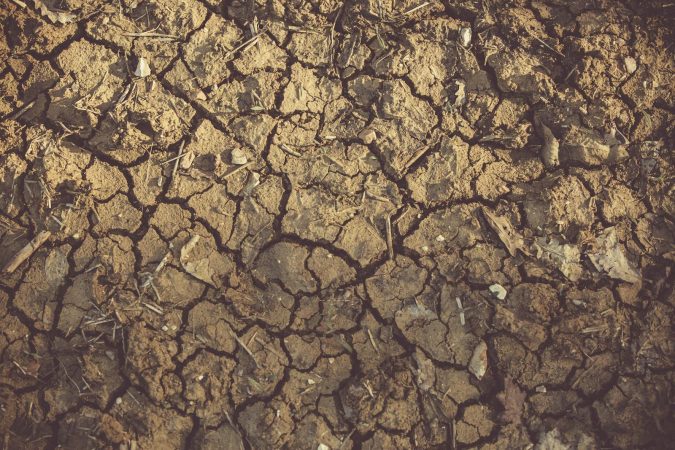
New agricultural climate models project that warming temperatures could push avocado-viable growing zones into the Midwest by mid-century, while Florida's citrus industry — already in steep decline — faces existential pressure from heat stress, hurricanes, and disease. The infrastructure to help farmers adapt is being cut just as the need accelerates.

Add VegOut to your Google News feed. 
I'll admit something: when I first saw climate projections suggesting avocado trees could one day thrive in Iowa, my gut reaction was skepticism. It sounded like a headline engineered for clicks. But the more I dug into the underlying data — the shifting USDA hardiness zones, the accelerating changes in frost-free growing days, the compounding stress on subtropical agriculture in the South — the more I realized this wasn't hyperbole. It was the logical endpoint of trends already well underway.
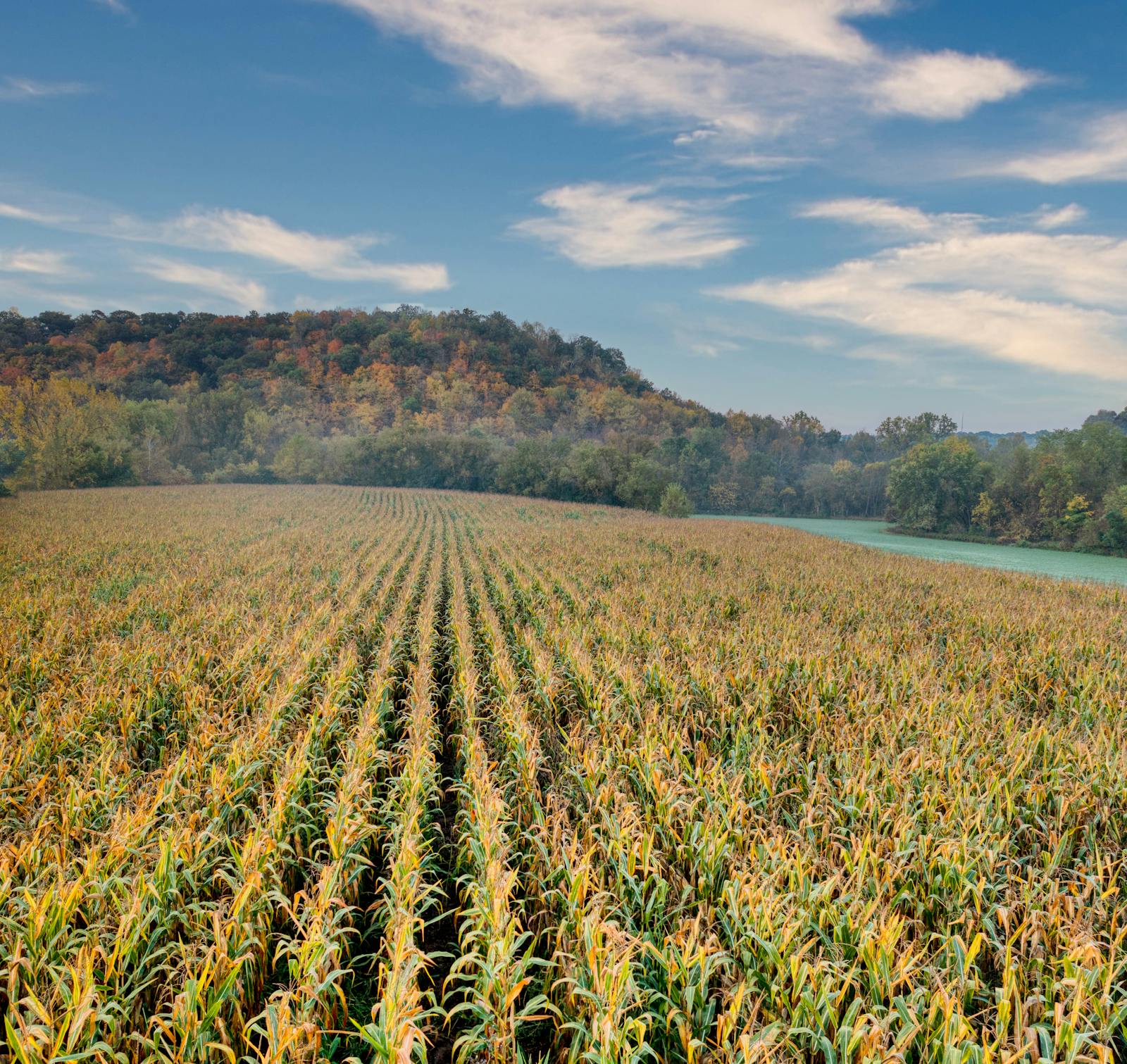
New agricultural climate modeling is painting a picture of American food production that would be unrecognizable to anyone farming today. The broad strokes: warming temperatures are pushing viable growing zones northward at a pace that outstrips historical precedent, creating theoretical windows for warm-climate crops like avocados in regions that currently grow corn and soybeans. Simultaneously, heat stress, hurricanes, and disease pressure are squeezing Florida's iconic citrus industry toward a breaking point it may have already passed.
The Zones Are Moving Faster Than Farmers Can Adapt
The USDA's Plant Hardiness Zone Map — the foundational tool American growers use to determine what they can plant — has undergone significant changes in recent updates. As VegOut previously reported, climate projections suggest growing zones in the Midwest could shift substantially, with conditions potentially resembling warmer regions by mid-century. That's not a fringe claim; it's based on observed temperature trends and their forward trajectories.
What makes this particularly consequential is the speed. Historically, agricultural adaptation happened across generations. Farmers experimented incrementally. Crop varieties drifted northward over decades. The current pace of change compresses that timeline to years, not decades, leaving growers scrambling to adjust.
The USDA's network of Climate Hubs — regional centers designed specifically to help farmers navigate these transitions — has been a critical resource for Midwestern producers trying to make sense of shifting conditions. But according to reporting from KCUR and Iowa Public Radio, those hubs now face potential elimination as part of broader federal budget cuts. The timing is brutal: just as the science is telling farmers that everything about their land is changing, the infrastructure built to help them interpret and respond to that science is being dismantled.
Could the Midwest Really Grow Avocados?
The short answer is: it's more complicated than the headline suggests, and that complexity is where the real story lives.
Avocado trees (primarily the Hass variety that dominates commercial production) require a very specific set of conditions: frost-free winters, moderate humidity, well-drained soil, and warm, stable temperatures. Most of the Midwest doesn't currently meet those thresholds. But the modeling suggests that by mid-century, parts of the southern Midwest — Missouri, southern Illinois, Kentucky — could see winter minimum temperatures warm enough to support cold-hardy avocado cultivars that are being developed in experimental agricultural programs.
The key phrase is cold-hardy cultivars. No one is suggesting that the same Hass avocados currently grown in California and Mexico will suddenly sprout in Kansas. But plant breeders have been working on varieties — crosses with cold-tolerant Mexican-race avocado rootstock — that can survive brief freezes. Pair those genetics with a climate that's losing its hardest freeze events, and the theoretical window opens.
This is speculative in the near term, and researchers are careful to frame it that way. But the underlying temperature data is not speculative at all. The warming trend is measured, consistent, and accelerating.
Florida's Citrus Crisis Is Already Here
While the Midwest-avocado scenario lives partly in projection, Florida's citrus collapse is documented fact. The state's orange production has declined dramatically from its peak in the late 1990s, driven by a convergence of factors: citrus greening disease (huanglongbing), increasingly destructive hurricanes, rising temperatures, and saltwater intrusion into freshwater aquifers.
Climate change doesn't cause citrus greening directly — the disease is spread by the Asian citrus psyllid, an insect vector. But warmer winters expand the psyllid's range and reduce the freezing events that once kept populations in check. Hurricanes, meanwhile, have intensified in the warming Gulf of Mexico, with storms like Hurricane Ian in 2022 devastating citrus groves already weakened by disease.
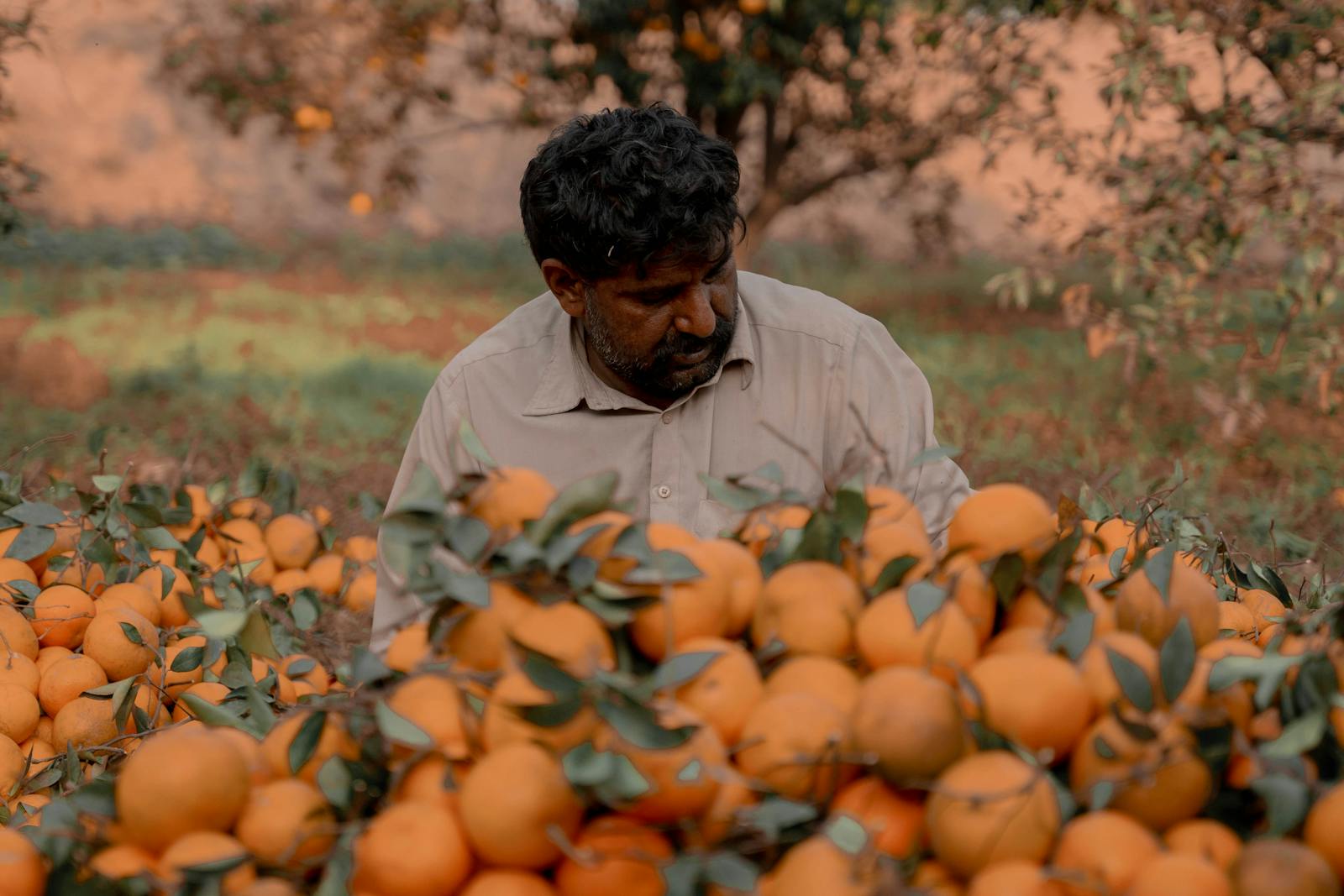
The economic fallout is severe. As AgWeek reported, the USDA has lowered its farm income forecasts for both 2025 and 2026, reflecting a broader pattern of financial strain across American agriculture. Florida's citrus sector, once a multi-billion-dollar industry, has been among the hardest hit. Groves that families worked for generations are being sold to developers. The orange juice in your fridge increasingly comes from Brazil, not the Sunshine State.
This connects directly to the food security modeling VegOut has covered, which shows projected shortfalls hitting wealthy nations — including the United States — in ways most consumers haven't begun to internalize.
The Models Are Getting Better — and Scarier
One reason these projections carry more weight now than even five years ago is that the models themselves have improved substantially. Researchers have incorporated higher-resolution regional data, better soil moisture dynamics, and more sophisticated coupling between atmospheric and agricultural models.
But scientists also acknowledge what the models still miss. Recent research has found that current climate models may be underestimating key ocean dynamics — specifically, the role certain marine processes play in heat distribution and carbon cycling. If these factors are being underestimated, the temperature and precipitation shifts driving agricultural zone migration could be even more dramatic than current projections suggest.
That's a sobering detail. The models that already show avocados in the Midwest and dead citrus groves in Florida might be conservative.
As VegOut reported on recent scientific findings, sea level measurements have revealed complexities that earlier models hadn't fully captured — another case where observed reality outpaced the models. Florida's agricultural crisis doesn't exist in isolation from sea level rise; saltwater intrusion into the state's freshwater systems compounds every other stressor on its farming economy.
The Infrastructure Problem
Even if warming temperatures make new crops theoretically possible in the Midwest, theory and practice are separated by enormous infrastructure gaps. Avocado production requires specific irrigation systems, post-harvest cold chain management, processing facilities, and decades of agronomic knowledge that doesn't currently exist in Iowa or Illinois.
The soil is different. The rainfall patterns are different. The pest pressures would be entirely novel. Growing zones shifting on a temperature map doesn't mean the full agricultural ecosystem shifts with them.
This is where the loss of programs like the USDA Climate Hubs becomes especially concerning. According to KCUR's reporting, these hubs provided on-the-ground technical assistance that translated abstract climate data into actionable farming decisions. Without them, the gap between what the models say is possible and what farmers can actually do widens. We covered the broader pattern of federal climate research infrastructure being gutted — the Climate Hub threat is part of the same trend.
What This Means for Your Plate
For anyone who eats — which is to say, everyone — these shifts carry direct consequences. Orange juice prices have risen substantially in recent years. Avocado supply chains, currently dependent on Mexico and California (both facing their own climate pressures), are vulnerable to disruption. The geography of American food production is being redrawn, and the question isn't whether it will affect grocery prices and availability. It already has.
Plant-based eating, in this context, isn't just a dietary preference — it becomes a lens for thinking about agricultural resilience. As we've explored in pieces on farmland use and sustainable food choices, diversified plant agriculture tends to be more adaptable to shifting conditions than monoculture commodity farming or resource-intensive animal agriculture.
The Midwest growing avocados and Florida unable to grow oranges isn't a punchline or a thought experiment. It's a trajectory — one the data increasingly supports. The question that matters now is whether we'll build the systems, the research capacity, and the political will to manage the transition, or whether we'll keep pretending the map hasn't moved.
Given what's happened to the institutions designed to help us adapt, the honest answer is uncomfortable. But discomfort, in this case, might be exactly what's needed to pay attention.
Feature image by James Frid on Pexels