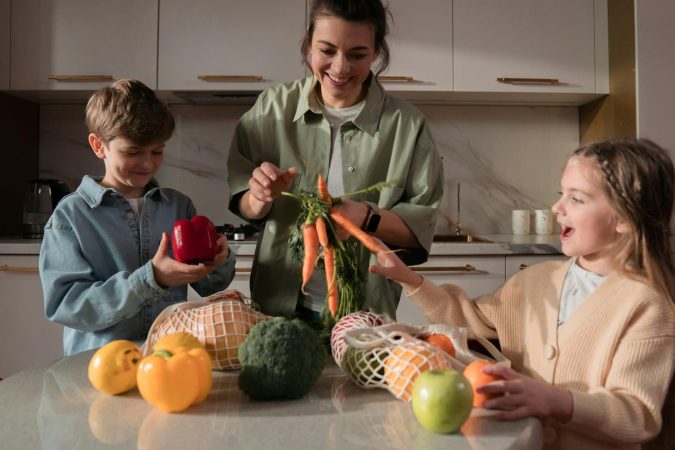
A new longitudinal study tracking over 1,200 participants found that children who regularly cooked with a parent consumed roughly 40% more vegetables as adults — and the key wasn't just exposure to produce, but the hands-on act of making a meal.

Add VegOut to your Google News feed. 
You'd think the best way to get kids to eat more vegetables would be to put more vegetables on their plates. But research suggests the real variable isn't what's on the plate — it's whether a child's hands helped put it there. Studies have indicated that those who regularly cooked alongside a parent as children consumed more vegetables as adults than those who didn't.
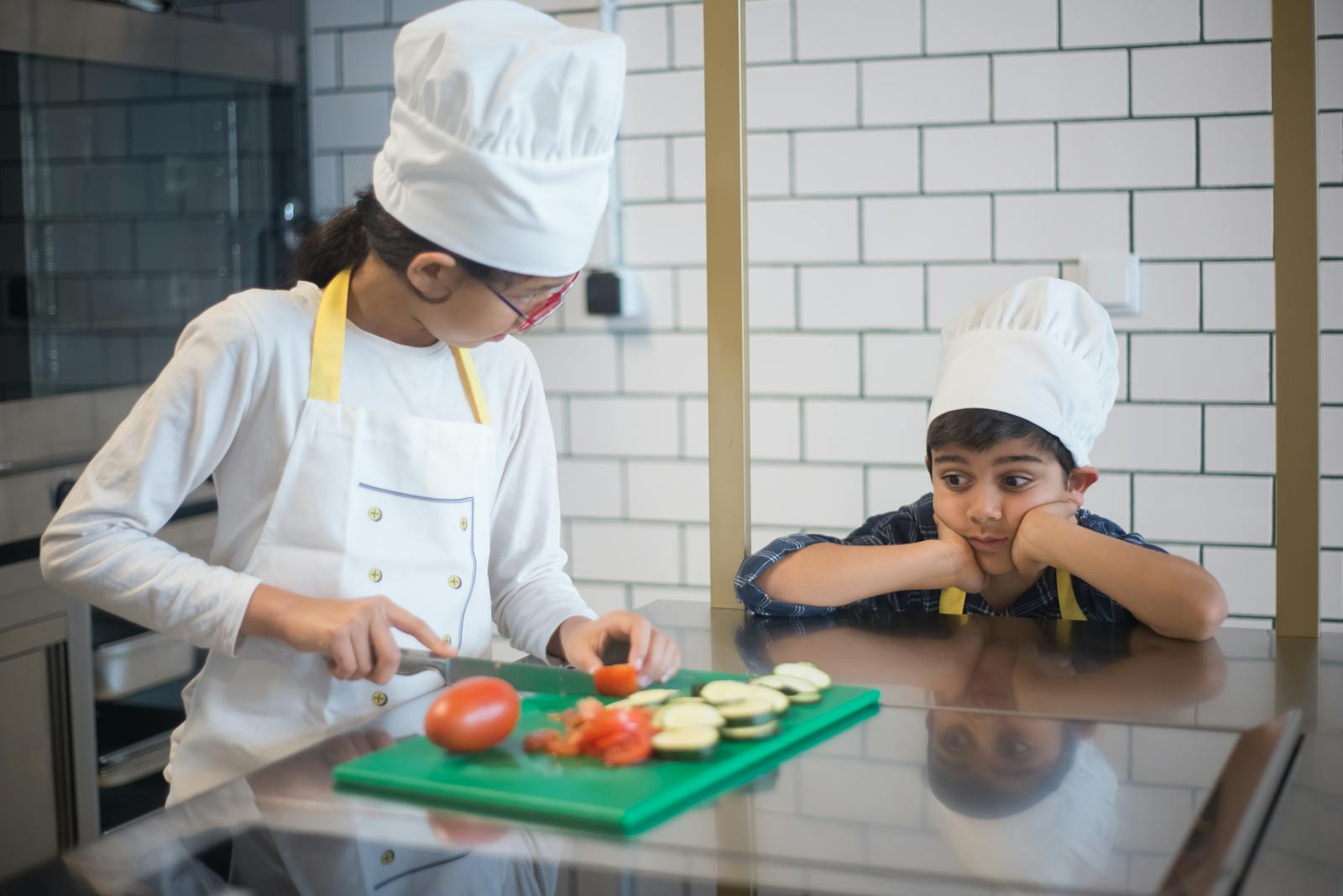
What stood out in this line of research was that the effect wasn't just about exposure to vegetables — kids who were around cooking but didn't actively participate in meal preparation didn't show the same boost. The tactile, hands-on element mattered.
The mechanism likely involves a combination of food familiarity and self-efficacy. Children who chop, stir, and season develop a comfort with whole ingredients that translates into cooking confidence later in life. They're more willing to try unfamiliar produce and less likely to default to ultra-processed convenience foods in adulthood.
This tracks with something VegOut has covered from several angles. We've explored how the generation that ate dinner together every night built emotional stability in ways research continues to explore. And the idea that cooking without a recipe is a quietly powerful skill keeps resurfacing. The kitchen, it turns out, might be doing more developmental heavy lifting than we give it credit for.
There's a class dimension here too. VegOut has previously looked at the resourcefulness common in lower-middle-class families that wealthier households sometimes overlook. And we've covered the psychology behind families that express love through feeding. This adds to what many people already feel intuitively: sharing the act of making a meal builds something that lasts well beyond dinner.
The takeaway isn't that every parent needs to run a weeknight cooking class. Even occasional involvement — weekend pancakes, holiday baking, letting a ten-year-old tear lettuce for a salad — can make a difference. And all it takes is handing a kid a spoon.
Feature image by Ron Lach on Pexels