Trust me, a pantry is never just food.
If you have ever opened a pantry and felt like you were doing an archaeological dig, you are not alone.
Some pantries are basically museums because certain items earn emotional tenure.
They sit there quietly, waiting for a crisis that never comes, such as a blackout, a snowstorm, a surprise visit from the church ladies, the apocalypse, or even a normal Tuesday!
Yes, there is a very specific vibe when the pantry contains foods that have been there since before the grandkids existed.
Here are seven of the biggest “boomer pantry” giveaways, plus what they say about how we think, save, and avoid making tiny decisions like “Should I throw this out?” below:
1) A can of cream of mushroom soup
This one is the king of pantry immortality.
Cream of mushroom soup is not just an ingredient, it is a belief system.
It is the backbone of casseroles, crockpot experiments, and those “one pan dinners” that always start with “Just dump everything in.”
If you have a can that looks slightly faded, or has an older label design, that is basically pantry carbon dating.
Why does it stay? Because it represents options.
It is potential and the comforting feeling of “I could make something if I had to.”
Psychologically, that sense of readiness is powerful.
We keep items like this because they reduce anxiety, even if we never touch them.
Quick gut check: If you cannot remember the last time you cooked with it, is it truly emergency food, or just emergency comfort?
2) A jar of instant coffee crystals
Instant coffee has a certain retro dignity to it.
It is the pantry equivalent of a landline phone: It still works, it is reliable, and it makes some people feel strangely safe.
I once visited a relative who had instant coffee so old the granules had clumped into a single coffee boulder.
And you know what? Nobody threw it out.
It was treated like a backup generator: “It’s there if we need it.”
That is the story with instant coffee.
Also, instant coffee is a perfect example of the “sunk cost” trap.
You bought it and you did not finish it, yet throwing it out feels like admitting defeat, even if it cost five bucks and three decades of shelf space.
If you want to be ruthless in the best way, ask yourself: Would I buy this today?
Then, If the answer is no, you already know what to do.
3) A dusty container of cinnamon
Open the spice cabinet, and there it is: Cinnamon that has seen things.
Spices do not usually go “bad” in a scary way, but they do lose potency.
That means your cinnamon might still be edible, it just tastes like the concept of cinnamon or like someone described cinnamon over the phone.
Older generations often treat spices as permanent property.
A spice is a spice; it belongs to the household and it is not something you “refresh” like a playlist.
Here is the psychology: Replacing spices feels frivolous and like a luxury purchase, especially if you grew up around scarcity as you learn to stretch everything.
Try this small experiment: Smell your cinnamon.
If it barely smells like anything, it is just taking up space and quietly lowering the ceiling on how good your food could taste.
Yes, even as someone who cooks mostly plant-based, I will say this: Fresh spices are one of the cheapest upgrades you can make to your daily life.
4) A box of gelatin or Jell-O
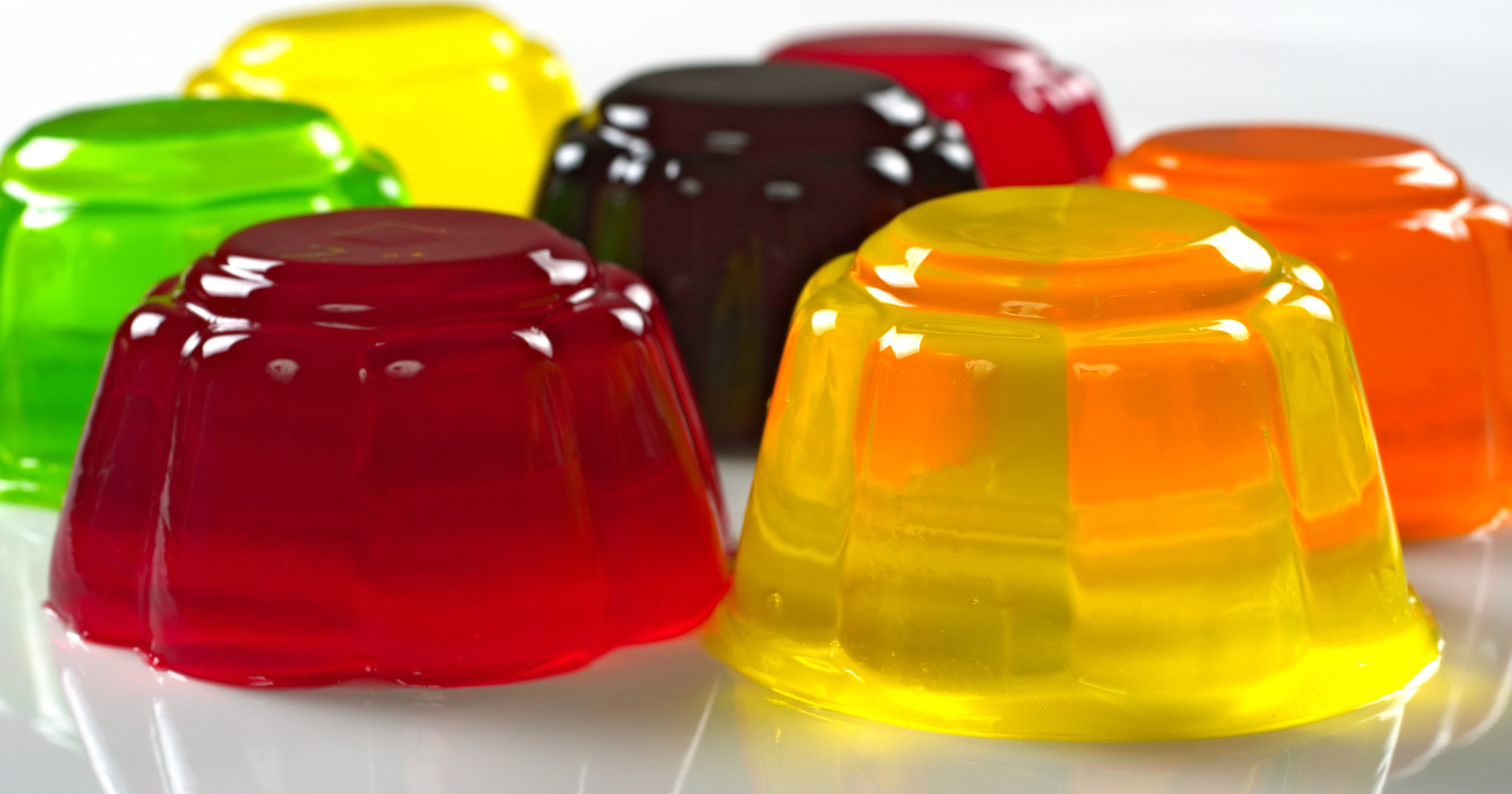
You can practically hear the 1970s potluck table when you see this one.
Jell-O is nostalgia in powdered form; it reminds people of family gatherings, holiday weirdness, and a time when “salad” could mean lime gelatin with suspended fruit.
As a vegan, this one always makes me pause because traditional gelatin is animal-based.
Even if you are not vegan, the bigger point is this: It is often kept for a version of life that no longer exists.
Nobody is making the gelatin molds nor begging for the rainbow cups, but the box stays anyway.
This is a classic identity item.
We keep things that match an older self-image:
- “I am the kind of person who hosts.”
- “I am the kind of person who brings a dish.”
- “I am prepared for entertaining.”
If you actually want to keep the vibe, swap it for plant-based gelatin alternatives or just embrace the modern potluck move: Bring a good dip and a bag of chips and call it a day.
5) A can of Spam or some other emergency meat product
I am not here to insult anyone’s comfort food, but when you see a can of Spam that has been sitting untouched for years, it tells a story.
These products are tied to a certain era of practicality.
Shelf-stable protein was a big deal because it meant you could feed a family without relying on fresh groceries.
It still matters to people who grew up with fewer safety nets.
So, why does it stay in the pantry even when nobody eats it?
Well, It's because it signals protection and is the psychological equivalent of keeping a flashlight in the drawer.
You might never need it, but having it makes you feel like you have your life together.
The decision point is simple: Is it actually part of your emergency plan, or is it just sitting there because throwing it out feels wasteful?
If not, then just let it go.
Your pantry is not a bunker.
6) A half-used bottle of Worcestershire sauce
This bottle has a special kind of longevity.
It is always half full, sticky around the cap, and older than at least one family pet.
Worcestershire sauce is the pantry version of “maybe someday.”
It is bought for one recipe, used twice, then exiled to the back of the shelf where it becomes part of the background.
I used to do this with sauces constantly as I would buy something for a “new flavor era,” use it once, then move on.
My pantry was basically a graveyard of good intentions.
This is what psychologists call decision avoidance in a tiny everyday form.
Every time you see the bottle, you have to decide: Keep or toss? Use or ignore?
Since small decisions are exhausting, we postpone them again and again.
If you want a simple fix, choose one night this week to build a meal around it: Stir it into a marinade, add a splash to a veggie stew for depth, and use it intentionally.
If it still does not fit your cooking style, you are allowed to release it.
The pantry is not a storage unit for “maybe.”
7) A tub of Tang, Ovaltine, or some other powdered nostalgia drink
Powdered drink mixes are pure time travel.
Tang screams space-age optimism, while Ovaltine feels like bedtime routines and old-school health marketing.
Either way, these tubs tend to stick around because they represent childhood, convenience, and a time when food felt simpler.
The wild part is that even people who do not drink them still keep them.
Why? Nostalgia is a strong emotional glue.
You are not keeping the powder, you are keeping the memory and the feeling of being taken care of, or the idea of family routines, or the comfort of something familiar.
I have mentioned this before but our brains often confuse “familiar” with “useful.”
Familiar things feel safe, so we keep them, even when they are not serving our current life.
If you genuinely love it, use it; if you do not, take a photo of the label for the memory and move on.
Seriously, you can keep the story without keeping the tub.
The bottom line
A pantry is never just food.
It is optimism, fear, thrift, nostalgia, and identity stacked on shelves.
If you found yourself in this list, the goal is to notice what you are holding onto, and why.
Here is a question worth asking the next time you stare into the pantry: Am I keeping this because I will use it, or because deciding feels harder than storing?
Your future self will love you for choosing clarity, and your pantry will finally stop feeling like a time capsule.