Every lower middle class family had that one brand that felt like a tiny upgrade, a quiet sign that things were going alright. You probably remember exactly which one it was in your house.
There is a moment in childhood when you realize your family is not rich, but they are not struggling either. They are somewhere in the zone of quietly stable.
And strangely enough, the signal is not a bank statement or a big life event.
It is a brand.
A single product sitting on the counter or tucked in the fridge that meant your parents felt secure enough to upgrade from the bargain version.
Every lower middle class household had one. And I am willing to bet you already know exactly which brand it was for your family.
Let us dig into why that tiny upgrade mattered so much.
1) The brand was rarely expensive, just a small step up
For most of us, the brand we associate with the feeling of doing okay was not luxury. It was not a designer label or some fancy imported thing.
It was the slightly nicer peanut butter, the soda your parents only bought for guests, or the cereal with enough sugar to feel like dessert.
It was one level above what you usually got.
Growing up in a very normal California neighborhood, I remember the day a bottle of name brand orange juice showed up in our fridge. Not the generic one with the metallic aftertaste.
The real one. The one from commercials that practically shouted confidence.
And suddenly breakfast felt different. Not glamorous. Just intentional.
That is the psychology of small upgrades. They signal stability. They say we do not have to count every penny today.
For a kid, that message lands even when you do not have the vocabulary for it yet.
2) The upgrade hinted at emotional security more than financial wealth
Here is something most of us do not realize until adulthood.
That brand did not really mean the family was doing well financially. It meant the family felt like they were doing well.
There is a huge difference.
Behavioral economists talk about this all the time. Humans rarely make decisions from spreadsheets. We make them from stories. From feelings. From signals that help us define reality.
Your parents choosing the better coffee or the nicer shampoo was not a financial move. It was an emotional shift.
It meant the atmosphere in the house felt lighter. Less strict. Less wrapped around sacrifice.
It meant the month felt manageable.
And if the adults felt secure, the kids absorbed that message instantly.
That one product became emotional evidence that things were okay.
3) The choice reveals how your family defined the idea of enough
Have you ever wondered why that particular product was the marker?
Why not something else?
Our parents had their own history shaping that choice. People tend to define enough by choosing the thing they grew up without.
For some families it was real butter instead of margarine. For others it was a well known sneaker brand instead of the generic versions that fell apart within weeks.
For others it was fruit juice that was not concentrated into a frozen block.
I have mentioned this before, but our emotional relationship with money is inherited. We learn our sense of scarcity or abundance from the adults who raised us.
The brand that meant you were doing okay was your parents rewriting their own story.
Your family’s choice reflects what they valued, what they lacked growing up, and what made them feel normal.
That is why everyone’s answer is slightly different.
And why it matters more than we think.
4) It shaped how you understand comfort in adulthood
Fast forward to today.
Have you ever noticed that you impulsively buy a specific product when life feels overwhelming? Something familiar that makes you feel grounded?
That is not a coincidence.
It is the adult expression of your childhood comfort signal.
For me, it is a particular oat milk brand. I know the price is higher than it needs to be. But when work feels chaotic or life gets noisy, I reach for it.
It is familiar. It is almost like emotional shorthand. A quiet message that says you are fine.
This is how brand loyalty really forms. Marketing helps, but memory does the heavy lifting.
A behavioral scientist I read once described this as nostalgia driven self regulation. Essentially, the things that made you feel safe as a kid still function as stabilizers when you are older.
Your childhood brand did not stay in the past. It came along for the ride.
5) What mattered was not the product, but the timing
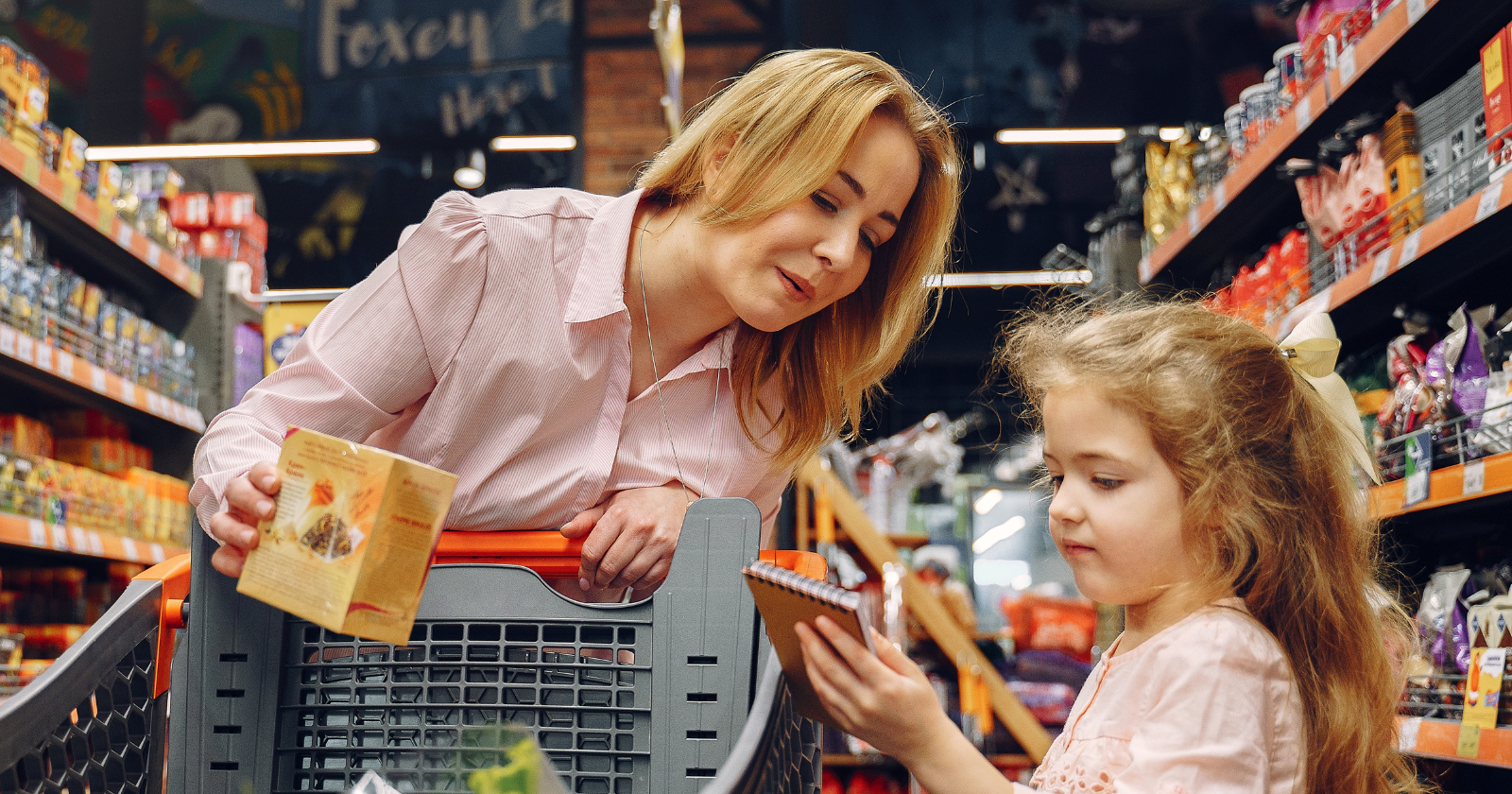
Your family did not buy the nicer brand all the time. It was a sometimes thing. A cyclical thing. Maybe even a seasonal thing.
Which means your brain learned two patterns.
First, the idea of relative abundance. Not wealthy, not struggling, just temporarily able to enjoy something nicer.
Second, the ability to recognize stability. Kids are highly tuned to the emotional tone of the home. Even the grocery cart sends signals.
This is why so many of us remember the smallest details from those years. The brand was not special because of how it tasted. It was special because of when it appeared.
Our brains tied it to a moment when the adults seemed less tense.
That is a powerful association.
And many of us recreate that feeling today in small ways. Sometimes with food. Sometimes with purchases that make no logical sense. Sometimes with experiences that help us breathe easier.
6) There was usually a second brand that meant the opposite
Most people can also name the product that meant things were tight.
The giant economy cereal. The fragile toilet paper. The off brand soda that no one actually liked but everyone pretended was fine.
Families communicate through micro adjustments like this.
As adults, we continue the pattern. When life feels uncertain, we downgrade. We switch to cheaper groceries, we delay upgrades, we hold back even when we technically have enough.
It is patterned behavior.
The contrast between the upgrade brand and the lean month brand shaped our understanding of resilience. We learned early that comfort fluctuates and that we can adapt.
We get through the slow months. We enjoy the better ones. Both experiences matter.
7) The real lesson is about perception and the meaning of enough
Every family has its own definition of what makes life feel stable. And it rarely has anything to do with wealth.
Most lower middle class households express comfort through micro luxuries.
The slightly nicer version. The weekend takeout. The better soap. The cereal with a mascot instead of a generic blue box.
We still do this as adults. We just call it treating ourselves.
At its core, it is the same pattern we watched growing up. When life feels stable, we allow ourselves something slightly nicer. When life feels tense, we tighten up.
That childhood brand was tangible proof of intangible security.
It symbolized stability at a moment when we were too young to explain it.
That is why it sticks with us.
8) Understanding this helps you understand your money habits now
Here is the real question.
What are your upgrade brands today?
And what do they reveal about your relationship with comfort and safety?
Traveling has shown me that every culture has its own version of this. Some express stability through food. Others through celebration. Others through home improvements or the ability to host guests.
Every society has symbolic upgrades.
We do too.
Recognizing your patterns helps you understand your emotional triggers, your self soothing techniques, and the purchases that feel meaningful even when logic says they are unnecessary.
It is not about judgment. It is about awareness.
Awareness gives you choice.
9) Your childhood brand does not have to control you, it can guide you
Some people assume that nostalgia influenced spending means they are stuck in the past.
I see it differently.
Your brand from childhood can be a compass. It points toward what safety felt like for you. Once you know that, you can recreate the feeling in ways that are healthier and more intentional.
Maybe today your comfort signal has nothing to do with food. Maybe it is time, boundaries, rest, or investing in something meaningful for your future.
The brand from childhood is simply the starting point.
You get to define the modern version.
And if you are vegan now like I am, the adult upgrade products look completely different anyway. But the feeling is the same. Stability. Permission. Enoughness.
You can give yourself that without buying anything.
The bottom line
Every lower middle class kid had that one brand that quietly said we are doing okay.
It was never about the product. It was about the emotional climate in the home.
Understanding yours helps you understand your relationship with stability today.
What was the brand in your house?
And what does it still mean to you now?