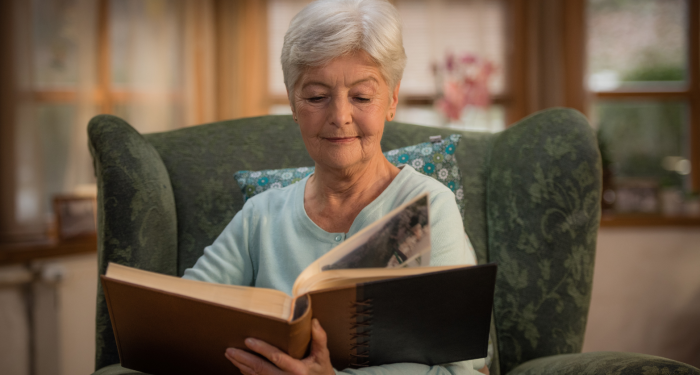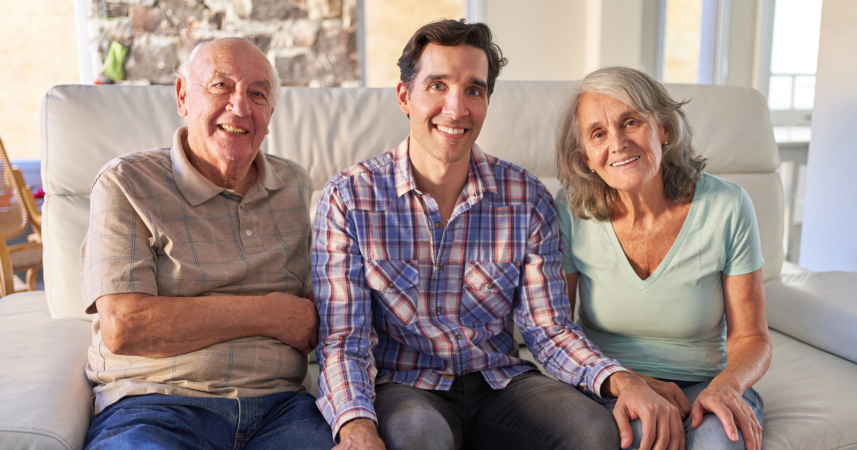
While one family emerged from their mother's dementia diagnosis with relationships intact and decisions clear, the other shattered into legal battles and permanent estrangement—all because of a single afternoon conversation that never happened.

Add VegOut to your Google News feed. 
I've watched two families navigate nearly identical situations with their aging parents, and the outcomes couldn't have been more different.
Both mothers developed dementia. Both fathers struggled as caregivers. Both sets of adult children lived scattered across the country.
Yet one family pulled together like a well-rehearsed symphony while the other descended into accusations, resentment, and relationships that may never heal.
The difference? Five years before either crisis began, one family sat down for coffee and had the conversation nobody wanted to have. The other kept postponing it, assuming there would always be more time.
1) The conversation that changes everything
When my mother first started repeating herself more than usual, I thought about all the families I'd known who'd been blindsided by a parent's decline.
The ones who thrived had talked openly about preferences, finances, and care decisions long before emotions ran high and options narrowed. The ones who struggled had treated aging like a surprise party nobody wanted to throw.
What exactly is this conversation?
It's sitting down with your parents while they're still sharp and asking questions like: What kind of care would you want if you couldn't live independently? How do you feel about assisted living versus staying home?
Who should make medical decisions if you can't? Where are your important documents? What are your end-of-life wishes?
But here's what I learned while helping my own parents navigate their later years: The conversation isn't really about logistics. It's about understanding your parents as people, not just as Mom and Dad.
It's discovering that your father would rather have a shorter life at home than a longer one in a facility. It's learning that your mother's greatest fear isn't death but being a burden. These revelations shape every decision that follows.
2) Why families avoid the talk that matters most
During the seven years I supported my second husband through Parkinson's, I witnessed countless families in hospital waiting rooms and support groups. The pattern was always the same.
The families in crisis were the ones saying things like "We never thought it would happen this soon" or "Mom always changed the subject when we brought it up."
Why do we avoid these conversations? Sometimes it's superstition, as if talking about decline might summon it. Sometimes it's denial. Often, it's simply not knowing how to begin.
We tell ourselves our parents seem fine, that there's no rush. We promise ourselves we'll do it next holiday, next visit, next year.
But avoidance has a price. When my oldest sister was diagnosed with ovarian cancer at 58, we had exactly three weeks between diagnosis and her passing.
Three weeks to sort through a lifetime of unspoken wishes and unclear preferences. Those who postpone important conversations often discover that "someday" has an expiration date.
3) The hidden cost of silence
After my parents passed, I watched my sisters and I navigate the aftermath of their estate. Even with the conversations we'd had, there were still disputes and hurt feelings. I can only imagine how much worse it would have been if we'd been guessing at everything.
When families don't talk, they fill the silence with assumptions. One sibling assumes Mom would want every possible medical intervention. Another believes she'd want comfort care only.
One thinks Dad's money should go toward the best facility available. Another insists he'd want to preserve the inheritance.
Without clear guidance, each child becomes convinced they alone understand what's best, and they're all partially right and partially wrong.
The cost isn't just emotional. Families spend thousands on legal battles that could have been prevented with one afternoon of honest conversation. Siblings stop speaking to each other over misunderstandings that clear communication would have prevented.
The parent's actual wishes get lost in the chaos of competing interpretations.
4) How grace emerges from preparation
Remember that first family I mentioned, the one that handled everything with grace? They weren't perfect people or unusually close. They simply had a roadmap.
When their mother's dementia progressed, they knew she'd chosen memory care over home care because she'd researched facilities herself years earlier. When their father struggled with the house, they knew he'd already agreed to eventually move near their oldest daughter.
Every decision had been made in calm moments, not crisis ones.
This preparation created space for what really mattered. Instead of arguing about care facilities, they could focus on making their mother's room feel like home.
Instead of fighting about finances, they could take turns giving their father breaks. The conversation they'd had years earlier freed them to be present for the journey instead of lost in the logistics.
In my previous post about finding strength in life's transitions, I talked about how preparation doesn't eliminate difficulty but changes how we meet it. This is especially true with aging parents.
The families that thrive aren't the ones who avoid hardship. They're the ones who face it as a team with a shared understanding of the goal.
5) Starting the conversation when everyone's resistant
What if your parents refuse to discuss these things? What if your siblings think you're being morbid? During my mother's early Alzheimer's years, before we knew what we were dealing with, she would become agitated whenever we mentioned planning.
So we learned to weave these conversations into everyday moments.
Instead of formal family meetings, try casual approaches. While watching a news story about someone else's situation, ask "What would you want in that case?"
Share an article about advance directives and mention you're doing your own. Talk about a friend's experience and wonder aloud about preferences. Sometimes the indirect path is the only one available.
And if you're the adult child ready to talk but meeting resistance, start with yourself. Share your own wishes with your parents and siblings. Model the vulnerability you're asking from them. Often, when one person opens up, others follow.
Final thoughts
The conversation about aging and decline isn't one talk but many small ones woven throughout the years. It's not about predicting every scenario but establishing values and preferences that can guide decisions. Most importantly, it's an act of love, not morbidity.
Those two families I mentioned at the beginning? They remind me that crisis doesn't create character; it reveals it. But they also remind me that families can choose their revelation.
The conversation you have today, uncomfortable as it might be, is the gift you give your future selves. It's the difference between a family that fractures under pressure and one that discovers just how strong their bonds really are.
If You Were a Healing Herb, Which Would You Be?
Each herb holds a unique kind of magic — soothing, awakening, grounding, or clarifying.
This 9-question quiz reveals the healing plant that mirrors your energy right now and what it says about your natural rhythm.
✨ Instant results. Deeply insightful.

Marlene Martin
Marlene is a retired high school English teacher and longtime writer who draws on decades of lived experience to explore personal development, relationships, resilience, and finding purpose in life’s second act. When she’s not at her laptop, she’s usually in the garden at dawn, baking Sunday bread, taking watercolor classes, playing piano, or volunteering at a local women’s shelter teaching life skills.
More Articles by Marlene