
Do you wash your hands for cleanliness, calm, or both?

Add VegOut to your Google News feed. 
You know the type.
They come home, kick the door shut, and—before the keys even hit the bowl—they are at the sink.
Maybe that person is you.
On the surface, it looks like a hygiene habit.
Underneath, it’s often a tiny psychological ritual.
A way of saying, “Outside world, I dealt with you. Now I’m back in my space.”
So, what does that quick handwash say about someone’s inner wiring? Here are seven traits I see show up again and again:
1) Conscientiousness
Some people move through life on vibes.
Others move through life with a mental checklist.
If you wash your hands the second you get home, chances are you lean toward conscientiousness.
In plain language, you’re the kind of person who notices details, follows through, and tries to do things the “right” way even when nobody is watching.
This is about being reliable.
Conscientious folks tend to be good at self-management.
They don’t wait until they feel like doing the thing.
Handwashing fits perfectly because it’s small, repeatable, and oddly satisfying.
It’s a quick win that reinforces, “I take care of my life.”
If you’ve ever been described as “on top of things” or “weirdly prepared,” this trait is probably doing a lot of work behind the scenes.
2) Strong boundaries
I love how a handwash can function like a psychological drawbridge.
When you wash up right after walking in, you’re not only removing whatever you touched out there.
You’re also creating a boundary between “public me” and “private me.”
People with strong boundaries tend to be good at separating roles.
Work stays at work, and drama stays outside.
Other people’s energy does not automatically get to live rent-free in their head.
I picked this up while traveling.
In busy cities, you’re constantly absorbing noise, crowds, micro-interactions, and weird little stressors.
Coming back to your room and washing your hands can feel like closing a tab you didn’t mean to open.
If you do this at home, it can be your way of signaling, “I’m back in my zone now.”
Just in a clean, clear, healthy way.
3) High disgust sensitivity
This one sounds dramatic, but it’s a trait.
Psychologists talk about “disgust sensitivity,” which is basically how strongly your brain reacts to the idea of contamination.
For some people, it’s low.
They’ll eat pizza off a napkin that was sitting on the counter and call it a day.
For others, the brain sends a stronger signal: “Nope. Wash that.”
If you wash your hands immediately, you might have a slightly more sensitive contamination radar.
That radar can be physical, not just mental.
You may notice textures, smells, sticky door handles, shared pens, elevator buttons, and all the invisible “outside” stuff most people tune out.
A quick handwash is your way of lowering that mental alarm.
It’s your nervous system preferring clean inputs.
Honestly, once you notice how much you touch in a day, it’s hard not to want a reset.
4) Comfort with routines
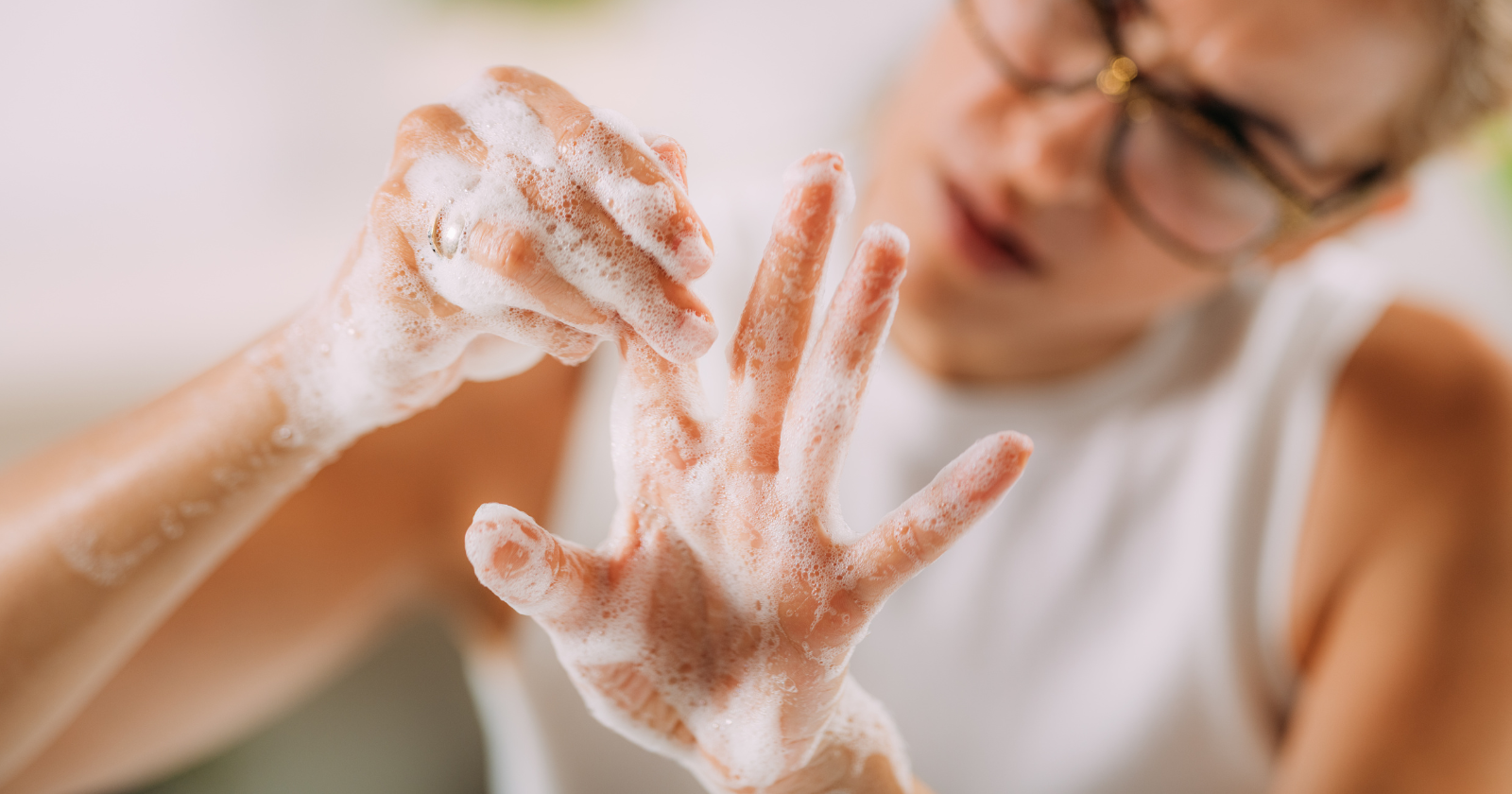
Routines are stabilizing.
People who wash their hands as soon as they get home often love small rituals.
The quiet kind that makes life feel organized.
Routines do something sneaky for the brain: They reduce decision fatigue.
You don’t have to think about what comes next.
Handwashing can become a tiny “arrival routine.”
It marks a transition point: Outside mode off, home mode on.
I do something similar with my camera gear.
When I get back from shooting, I always wipe down my lenses and put everything back in the same place.
It’s because the ritual tells my brain, “We’re done. You can relax now.”
If you’re a routine-lover, you probably see them as anchors.
5) Future-focused thinking
People who wash their hands quickly often think one step ahead.
They’re anticipating outcomes.
It’s the same mindset behind wearing a seatbelt, charging your phone before it hits 2 percent, or bringing a jacket even though the sky looks fine right now.
This is future-focused thinking, a kind of practical forecasting.
Handwashing is a preventive move.
It’s a small action taken now to reduce a possible problem later.
Maybe that problem is getting sick, touching your face without thinking, or getting your couch grimy.
Whatever the reason, it’s the same internal logic: “I’d rather handle it now than deal with consequences later.”
If you do this, you probably have a pretty strong “better safe than sorry” muscle.
Not out of fear, but out of preference for fewer headaches.
6) Responsibility for others
This is the trait that makes the habit feel bigger than hygiene.
A lot of immediate handwashers aren’t only thinking about themselves.
They’re thinking about who else lives in the space, who they’ll hug, what surfaces they’ll touch, and what they might pass along.
That is prosocial thinking, consideration, or a sense of shared responsibility.
I see it most in people who are naturally protective.
Parents, caretakers, the friend who always carries extra tissues, the coworker who wipes down the shared desk without making it a big deal.
Even if you live alone, you may still have that communal mindset.
You’re aware that your actions affect your future self, your partner, your roommate, your pets, and your guests.
It’s a quiet form of respect.
As a vegan, I think about this a lot in a different context.
Many of my daily choices are about impact, not just preference.
Handwashing can run on the same operating system: “My behavior has ripple effects, so I’m going to be intentional.”
7) Quick mental reset
This might be the most important one, and it has nothing to do with germs.
Handwashing can be a cognitive reset button.
When you come home, your brain is often still “out there.”
Emails, traffic, awkward conversations, too much noise, and too many tiny decisions.
Washing your hands gives you a sensory interruption with warm water, soap, friction, and scent.
Truly a simple, grounding moment.
If you do this automatically, you might be someone who instinctively looks for quick ways to regulate your nervous system.
With a small physical cue that tells your body it’s safe to downshift.
Think of it like changing clothes after work or taking your shoes off at the door.
The physical action creates a mental boundary.
If you’ve ever noticed that you feel calmer after washing up, that’s not in your head.
Well, it is in your head, but you know what I mean: It’s your brain using the body as a shortcut to “reset.”
The bottom line
If you wash your hands the moment you get home, it doesn’t automatically mean you’re anxious or obsessive.
In many cases, it means you’re conscientious, boundary-aware, and good at transitions.
It’s a small habit that can reveal a lot about how you take in the outside world, filter it, and decide what gets to come with you.
Now I’m curious: Do you do it for cleanliness, calm, or both?
What’s Your Plant-Powered Archetype?
Ever wonder what your everyday habits say about your deeper purpose—and how they ripple out to impact the planet?
This 90-second quiz reveals the plant-powered role you’re here to play, and the tiny shift that makes it even more powerful.
12 fun questions. Instant results. Surprisingly accurate.