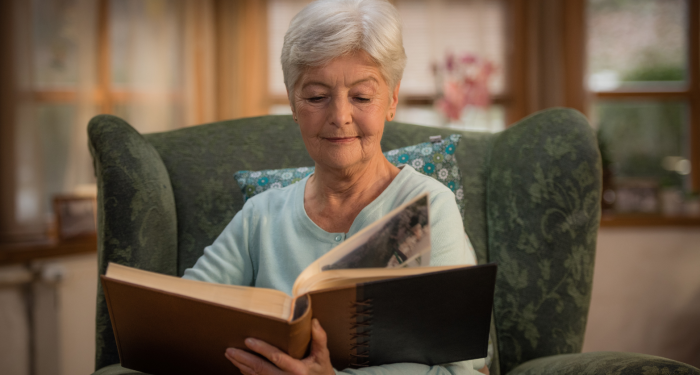
After decades of smiling through drive-by visits that last less time than it takes to drink a cup of coffee, I discovered that the loneliness of pretending everything is fine hurts more than the honesty of admitting it isn't.

Add VegOut to your Google News feed. 
Last Tuesday, I sat in my living room watching my son's car pull away exactly seventeen minutes after he'd arrived.
The coffee I'd made was still hot, the banana bread I'd baked that morning sat untouched on the counter, and I felt something I hadn't let myself feel before: relief. Pure, uncomplicated relief that the visit was over.
For years, I've been playing a role during these drive-by visits, pretending that fifteen minutes of surface-level conversation while someone scrolls through their phone counts as quality time. I've smiled through the rushed hugs at the door, the distracted responses to my questions, and the constant checking of watches.
But at seventy, I've decided to stop pretending these visits bring me joy when what they actually bring is a peculiar kind of loneliness that feels worse than being alone.
1. The performance we've all been doing
Have you ever noticed how exhausting it is to pretend everything is fine when it isn't?
My adult children arrive with their mental checklists visible on their faces: Visit Mom (check), Ask about health (check), Mention the grandkids (check), Leave before traffic gets bad (check).
Meanwhile, I perform my own routine: Look grateful (check), Don't mention how long it's been (check), Don't ask for more time (check), Wave cheerfully from the doorway (check).
We've become actors in a play nobody wants to watch, yet we keep performing it week after week, month after month. The script never changes. They ask the same questions about my doctor's appointments and whether I'm taking my medications.
I give the same reassuring answers. We talk about the weather, their jobs, anything but the elephant in the room: that we've become strangers who share DNA and little else.
The saddest part? I don't think they realize they're doing it. They genuinely believe that showing up is enough, that physical presence for however brief equals connection. But sitting in the same room while mentally being elsewhere isn't visiting. It's just geography.
2. When obligation replaces affection
Virginia Woolf once wrote, "Life is not a series of gig lamps symmetrically arranged; life is a luminous halo." But these visits have become exactly that, a series of predetermined checkpoints with no luminosity between them.
I can pinpoint when things shifted. It wasn't sudden. It happened gradually, like watching a photo fade in sunlight. The visits became shorter, the conversations more practical. Birthday cards arrived on time but felt generic. Phone calls were scheduled like dental appointments. Everything became efficient and bloodless.
What hurts most is remembering how different things used to be. When my children were young adults, they'd drop by unannounced, raid my refrigerator, and sprawl on the couch telling me about their lives.
Now they stand in my kitchen, keys in hand, ready to bolt. They've confused duty with love, and I've been complicit in this confusion by accepting crumbs and calling them a feast.
3. The truth about different needs
Here's something I've learned that might surprise you: not all children need the same thing from their parents, and that's okay. Or at least, it should be okay.
My son needs space, lots of it. He always has, even as a child. My daughter needs closeness but on her terms, which currently means our Sunday evening phone calls where she talks and I listen.
For years, I tried to force them both into the same mold of what I thought family connection should look like. Sunday dinners, holiday traditions, regular visits. But you can't manufacture intimacy, and you certainly can't schedule it for Tuesday at 2 PM between a work meeting and school pickup.
I've watched other families navigate this same territory with varying degrees of success. Some accept the distance gracefully. Others rage against it. I've been stuck somewhere in the middle, neither accepting nor rejecting, just enduring these hollow rituals we call visits.
4. What I'm doing instead
So what does it look like to stop pretending? First, I've stopped baking for visits. No more banana bread that serves as a prop in our awkward kitchen scenes. I've stopped clearing my schedule for the entire day when someone says they might drop by. I've stopped sitting by the window waiting.
Instead, I'm honest about what works for me. When my son called last week to say he'd stop by for a few minutes, I suggested we skip it. "Let's wait until you actually have time to visit," I said. The silence on the other end was deafening, but also liberating.
I've started proposing alternatives that might actually foster connection. Video calls with my grandchildren where we do something together, like cooking the same recipe or reading the same book. Planned outings with a purpose beyond obligation. Letters, real letters, where thoughts can be completed without interruption.
The pushback has been interesting. "But Mom, we visited you last week," my daughter said when I mentioned feeling disconnected. Yes, technically someone was in my house for twelve minutes. But if that's visiting, then driving past someone's house is practically living with them.
5. The unexpected freedom of honesty
Do you know what happened when I stopped pretending? The sky didn't fall. My children didn't disown me. Instead, something shifted. The conversations became more real, even if they were less frequent. When we do connect now, it's because someone wants to, not because the calendar says they should.
I'm not saying this transformation has been easy or complete. There are still moments of profound sadness when I realize weeks have passed without meaningful contact. But that sadness feels cleaner somehow than the muddy disappointment of another checkpoint visit.
I've also discovered that my life doesn't have to revolve around waiting for my children to show up.
At seventy, I have interests, friendships, and pursuits that have nothing to do with being someone's mother. The library book club doesn't care that my son hasn't called. The garden needs tending regardless of when my daughter might visit.
Final thoughts
If you're reading this and recognizing your own family dynamics, know that you're not alone in feeling that modern family life can be more performance than connection. We've somehow agreed to accept less while pretending it's enough, but pretending doesn't make it true.
At seventy, I've decided I'd rather have authentic distance than fake closeness. Because real love shouldn't feel like a duty, and a visit shouldn't feel like a transaction.
Sometimes the most loving thing we can do is stop pretending everything is fine and start having honest conversations about what we actually need from each other.