
News flash: It’s not really about collecting stamps on a passport.
Travel stats get thrown around a lot, and honestly, most of them are fuzzy.
But the bigger point is real: A huge chunk of Americans never leave the country, and even fewer take trips that really stretch them.
So, let’s do a quick, fun reality check.
If you’ve been to more than four of the seven places below, you’ve probably seen more of the world than most people in your orbit, and you’ve definitely collected the kind of experiences that change how you think, eat, work, and live.
This is a growth list because every place on it comes with a built-in lesson, and usually a meal you’ll think about for years:
1) Mexico City
Mexico City is the trip that humbles every foodie who thinks they’ve “seen street food.”
The first time I went, I expected tacos and a few cute neighborhoods.
What I got was a megacity with world-class design, museums that hit harder than you’re ready for, and a food scene that can go from plastic-stool perfection to fine dining that rivals anywhere.
Here’s the self-development angle: Mexico City teaches you how to stop being precious.
You learn to trust your senses, order the thing you can’t pronounce, and that the best meal of your week might come from a stand that looks like it shouldn’t work, but somehow does.
If you want to do it right, split your days like this: mornings for parks and museums, afternoons for neighborhood wandering, nights for tacos and late dinners.
Also, pro move: Build in one “nice” restaurant night.
A long tasting menu has a way of slowing your brain down and reminding you that patience is a skill.
2) Tokyo
Tokyo is what happens when a society collectively decides that details matter.
I mean details matter like the train is on time to the minute, the packaging is practically art, and a bowl of noodles can taste like someone spent their whole life perfecting it.
If you’ve worked in hospitality, Tokyo feels like a masterclass.
Service is intentional, and it's pride.
It makes you ask an uncomfortable question: Where in my life am I being sloppy?
Once you’ve seen a city run this smoothly, it’s hard to keep excusing your own chaos as “just how I am.”
Food-wise, you could eat well for cheap for weeks.
Convenience stores are weirdly elite.
If you’re plant-forward or just trying to eat lighter, Tokyo is better than people think.
Look for shojin ryori (traditional Buddhist cuisine) or go heavy on veggie tempura, tofu, soba, and seaweed-based dishes.
One tip: Don’t try to “do Tokyo” in three days.
Pick a few neighborhoods, walk a lot, and let the city reveal itself.
3) Paris
Paris is on this list because it’s a mirror; Paris reflects your relationship with beauty, time, and self-respect.
The first time I went, I did the classic rookie thing: cram in monuments, take a million photos, eat on the go, collapse at night.
I “saw” Paris, sure, but I didn’t feel it.
Later trips taught me the real move: build your days around meals and walking.
Paris rewards people who slow down, who sit, who taste, who people-watch without guilt, and who treat lunch like it deserves a chair and a glass of something.
That’s the lesson: Your life becomes what you consistently give time to.
A practical plan would be one museum or landmark per day, one long meal per day, and a long walk with no destination.
Make a point to visit a bakery early and try one thing you’ve never had before.
You’ll come home with standards.
4) Marrakech
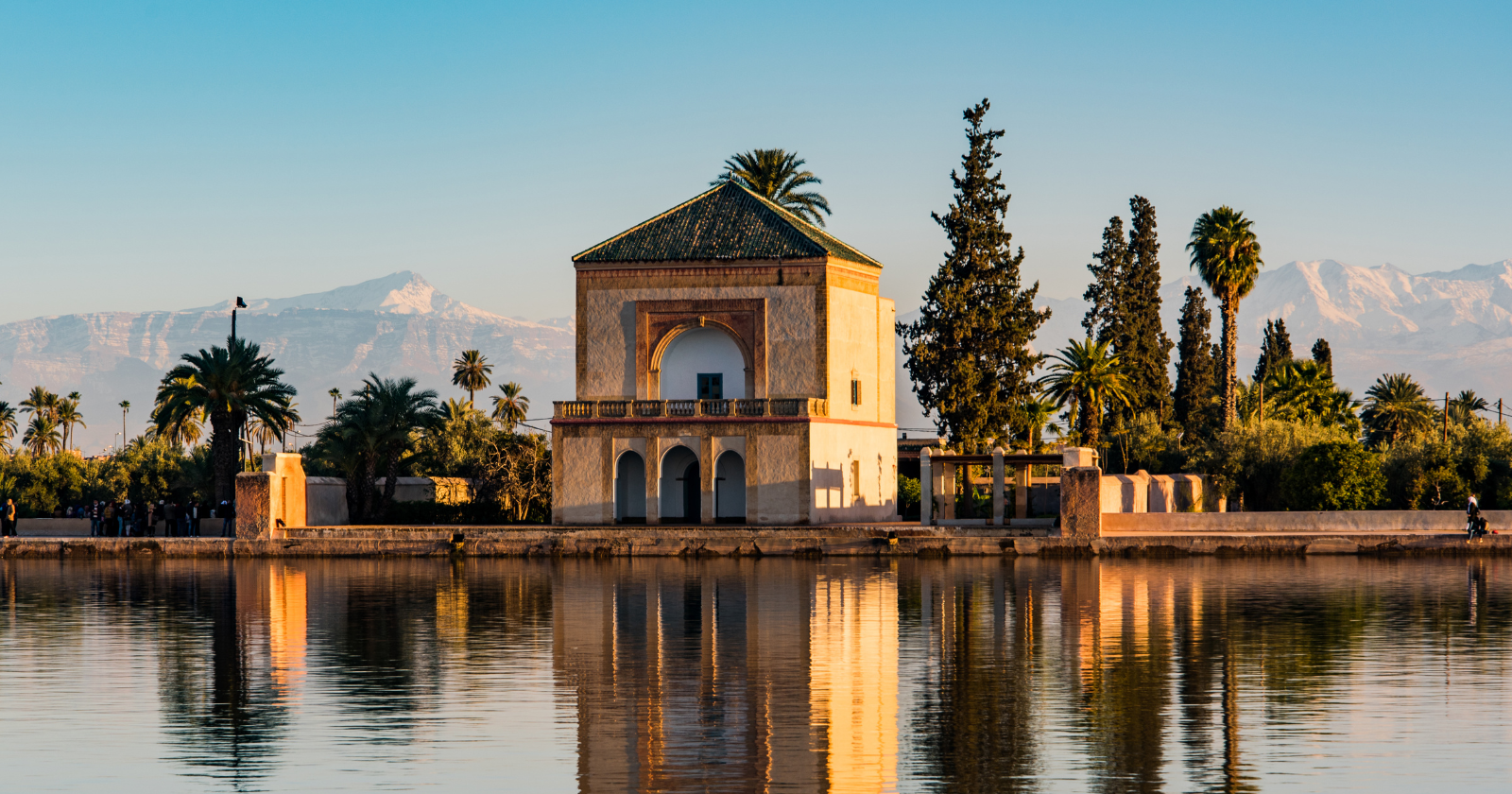
Marrakech is sensory overload in the best way.
It’s color, smoke, spices, bargaining, noise, quiet courtyards, and the strange feeling that you’ve stepped into a different operating system for life.
If you’ve never been somewhere where you don’t automatically understand the “rules,” this trip is a level-up because it forces you to pay attention.
In Marrakech, your comfort zone gets negotiated.
You learn how to say no politely, how to keep your cool when someone is a little intense, and how to get lost and not spiral.
Then there’s the food: Tagines that taste like they’ve been simmering since the beginning of time, fresh orange juice, mint tea, and bread that shows up constantly like a supporting character in every scene.
If you want to keep it aligned with feeling good, eat the local stuff and keep it simple with lots of vegetable dishes, lentils, salads, grilled items, fruit.
Give yourself permission to rest, too, as Marrakech can be a lot.
A calm riad and a slower pace turns it from exhausting to unforgettable.
5) Patagonia
Patagonia is where your ego goes to get quiet.
I’m talking about that southern stretch of Chile and Argentina where the landscapes look fake, the wind has an opinion, and your phone becomes irrelevant.
If you’ve been here, you’ve probably hiked at least a little.
Hiking Patagonia is different than hiking your local trail with a podcast on.
It’s you, your breath, your legs, the weather, and the consequences of your choices.
That’s the lesson: Nature makes feedback immediate.
You didn’t sleep? You feel it.
You didn’t fuel properly? You bonk.
You packed wrong? You suffer.
Weirdly enough, that’s empowering because it reminds you that discipline is a series of decisions.
Food out there is hearty, so think soups, stews, bread, and simple plates.
If you eat meat, you’ll see a lot of it; if you’re trying to be more plant-forward, you can still do fine, but plan ahead and keep snacks on you.
Patagonia is about earning your awe.
6) South Africa
South Africa is one of the most high-impact trips you can take because it gives you contrast.
Cape Town alone feels like multiple realities stacked on top of each other: Beaches, mountains, wine country, city energy, and history that isn’t polite or distant.
It’s right there, and it asks you to look.
If you’ve ever wanted a trip that makes you more grateful without getting cheesy, this is it.
Also, the food scene is criminally underrated: Seafood, braais, incredible produce, and a wine culture that’s both accessible and high-quality.
You can do a vineyard day that feels “luxury” without the price tag you’d pay in Napa.
For personal development, South Africa teaches a big one: Hold complexity.
It’s not a place you reduce into a simple story.
You listen more, ask better questions, and stop acting like you already know.
If you go, don’t just safari and bounce: Spend time in Cape Town, visit meaningful sites, and talk to people.
Let the place change your perspective, not just your camera roll.
7) India
Finally, India is the place that breaks your old mental model and hands you a new one.
People try to summarize India like it’s one experience.
It’s a thousand experiences happening at once.
The first thing you notice is intensity, and the second thing you notice is how quickly you adapt.
India teaches you that your comfort zone is flexible, way more flexible than you think.
Then there’s the food, which is basically a universe: Regional cuisines, spices, street snacks, sweets, dosa breakfasts, thali lunches, chaotic markets, and quiet family-run spots.
If you care about food and you care about living better, India is a masterclass because it forces you to eat with curiosity and respect.
It’s also one of the easiest places in the world to eat plant-based without trying, even if you’re not strictly vegan.
You can go heavy on lentils, vegetables, rice dishes, and fresh breads for days.
My biggest tip is simple: Pick one region and do it deeply.
Don’t try to “see India,” instead let India happen to you.
The bottom line
Here’s what I love about this list: It’s about becoming the kind of person who can handle new environments, new flavors, new rhythms, and new levels of discomfort without needing everything to feel familiar.
That skill transfers.
It transfers to your career when you’re thrown into something you’ve never done before, relationships when you have to communicate across differences, and your health when you realize your habits are just patterns you can redesign.
If you’ve been to zero, that’s alright! Consider this your nudge.
Pick one, book it, and go hungry, in every sense of the word.
The world has a funny way of upgrading you when you actually show up.
What’s Your Plant-Powered Archetype?
Ever wonder what your everyday habits say about your deeper purpose—and how they ripple out to impact the planet?
This 90-second quiz reveals the plant-powered role you’re here to play, and the tiny shift that makes it even more powerful.
12 fun questions. Instant results. Surprisingly accurate.