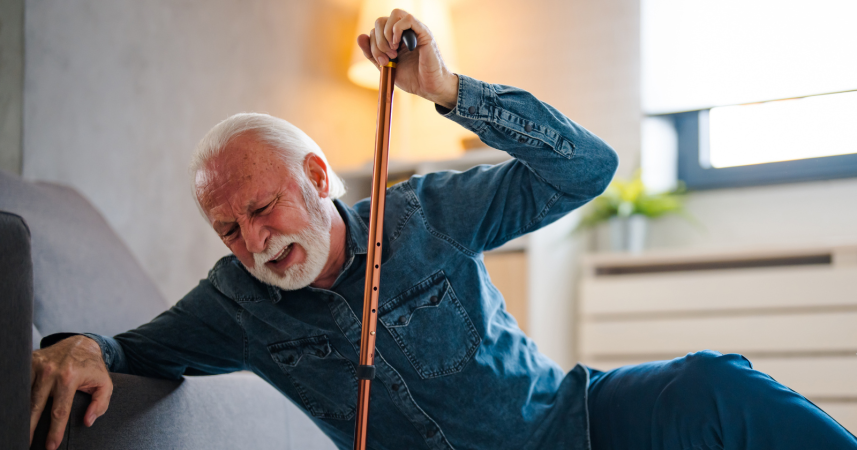
It starts quietly. A task you used to do without thinking now takes planning, effort, and a little mental bargaining. If you’re over 60 and these eight simple things have become negotiations with your own body, something shifted, and it happened so slowly you barely noticed.
Aging doesn’t always announce itself with a big dramatic moment. Most of the time, it slips in quietly.
One day you’re doing normal stuff on autopilot. The next day you notice you’re hesitating before you bend down, or you’re bracing yourself before you stand up. And it’s not even that you can’t do the task.
It’s that your body wants to talk about it first. That’s the part that hits people. The negotiation.
Your mind wants to do the thing. Your body counters with: “Okay, but what’s the cost?”
If you’re over 60 and you’ve noticed more of these moments lately, it doesn’t mean you’re done.
It means something shifted, and your body is giving you data.
And if you catch it early, you can do a lot with that data.
Below are eight simple tasks that often become harder before people realize they’re losing strength, mobility, or confidence.
Each one is a signal. Not a sentence.
1) Getting up from a chair without using your hands
This is one of the clearest signs of how your lower body is doing.
When you start using armrests to stand, it usually means your legs are weaker than they used to be.
And once leg strength starts dipping, a bunch of other things follow: Slower walking, shakier balance, and stairs that feel like a bigger deal than they should.
The good news is this is highly fixable.
A simple move is “sit-to-stands.”
Start with a chair that’s slightly higher, do 5 reps, and build up slowly. Think of it like refilling your strength tank.
Also, if you’re not eating enough protein, you’re making this harder on yourself.
Muscle needs building blocks.
Try to include a solid protein source at every meal, whether that’s eggs, fish, yogurt, tofu, beans, or lean meat.
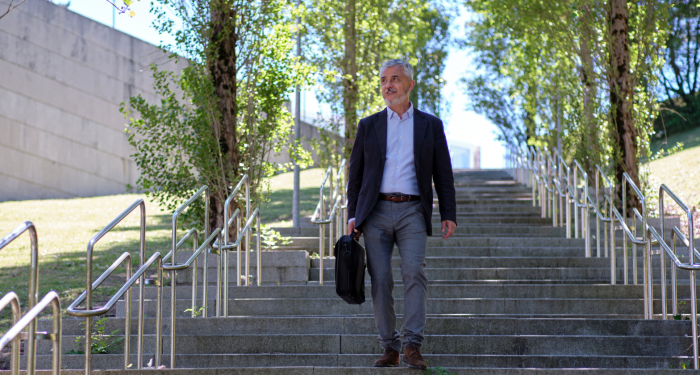
2) Going up stairs without gripping the railing
Stairs expose everything. Leg strength. Balance. Cardio. Confidence.
If you used to take stairs normally and now you’re clutching the railing like it’s a survival tool, don’t ignore that. It’s not just physical.
A lot of it is your brain sensing less stability and turning up the caution. Use the railing if you need it.
Pride is not worth a fall. But don’t avoid stairs completely, either. Avoidance is how you get weaker. A good approach is “micro-conditioning.”
One flight a day, slow pace, no rush. Consistency beats intensity here. Nutrition matters too.
Undereating makes stamina drop fast, and so does living on low-quality snacks.
Your muscles need fuel. Carbs help with movement, and minerals like magnesium support muscle function.
You can get magnesium from leafy greens, legumes, nuts, and seeds.
3) Carrying groceries without it feeling like a workout
This one is a classic.
If carrying grocery bags now feels like a full-body event, it’s often due to a mix of grip weakness, core weakness, and shoulder tightness.
Grip strength in particular matters more than most people think.
It’s tied to overall strength and functional health, and it’s one of the first things to fade if you don’t use it.
A simple way to train grip is to hold something moderately heavy for 20 to 30 seconds, rest, then repeat.
Even holding grocery bags while standing still counts.
Also, if you’ve been eating “light” for years, this is where it catches up.
Many older adults accidentally under-eat, then wonder why everything feels harder.
Muscle doesn’t hang around without enough calories and protein.
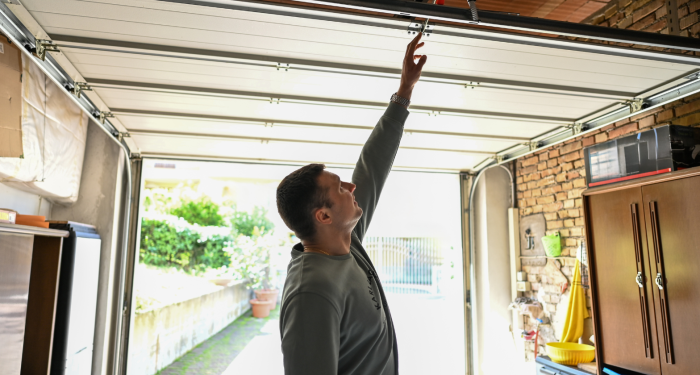
4) Reaching overhead without pain or stiffness

If reaching for a plate on a high shelf has become uncomfortable, your shoulders are trying to tell you something.
Overhead mobility is one of those things people lose slowly, then suddenly notice when it’s gone.
And once it starts hurting, many people stop reaching altogether, which makes the issue worse.
The goal isn’t to push through sharp pain. The goal is to keep the range you still have and rebuild gently.
Simple shoulder movements help: Wall slides, shoulder circles, band pulls, and light stretching for the upper back.
A lot of shoulder problems aren’t just the shoulder.
They’re also posture and tightness in the upper spine. Food can play a role too.
If your diet is heavy in ultra-processed foods and low in anti-inflammatory staples, joint pain tends to feel louder.
Add more berries, olive oil, beans, leafy greens, walnuts, chia seeds, and spices like turmeric and ginger.
No, it won’t magically cure everything.
But it can help reduce the background inflammation that makes movement feel crankier.
5) Walking on uneven ground without feeling nervous
Cracked sidewalks, wet tiles, gravel paths. These become a bigger deal when balance starts slipping.
If you feel cautious the moment the ground isn’t perfectly flat, that’s a signal. Sometimes it’s about weaker ankles and feet. Sometimes it’s about vision. Sometimes it’s about fear from past close calls.
Either way, avoiding uneven ground makes you worse at it.
Your brain needs practice. Your ankles need practice. Your feet need stimulation and strength.
Safe balance drills can go a long way: standing on one foot near a counter, heel-to-toe walking, or slow calf raises.
Do them daily for a few minutes, and you’ll often feel improvements faster than you’d expect.
Also, hydration matters. Dehydration can mess with blood pressure.
That can lead to dizziness.
Dizziness leads to shaky confidence.
Keep it simple: Drink enough water and eat hydrating foods like fruit, soups, and vegetables.
6) Sleeping through the night without waking up stiff
Waking up stiff doesn’t just feel annoying. It affects your entire day.
When sleep quality drops, recovery drops. When recovery drops, everything becomes harder.
Movement feels heavier. Motivation drops. Pain feels louder.
Some stiffness is normal with aging. But a lot of it is lifestyle-driven. Too much sitting. Not enough movement. Low protein. Poor sleep habits. Alcohol too close to bedtime. Dehydration. Not enough magnesium or potassium.
I’ve worked in luxury hospitality, and one thing I saw constantly was people treating alcohol as their wind-down routine.
It feels relaxing in the moment, but it’s brutal on sleep quality, especially as you get older.
If you want better sleep and less morning stiffness, focus on the basics: Consistent bedtimes, morning light, regular movement, fewer late-night screens, and meals that include protein and fiber.
7) Getting off the floor without needing a plan
This is one people don’t think about until it matters.
If sitting on the floor and getting back up feels like a tactical mission, that’s a useful warning sign.
Because falls are one of the biggest health risks after 60, and the issue isn’t just falling. It’s what happens after.
People lose confidence. They move less. They get weaker. They isolate. Then the spiral starts.
Being able to get up from the floor is like insurance.
You don’t notice its value until you need it.
The fix usually comes down to leg strength, hip mobility, and balance.
Practice getting up from kneeling, use a chair for support, and build gradually.
You don’t need to be athletic. You just need to stay capable.
Also, be careful about chasing weight loss at the expense of muscle.
Being lighter isn’t always healthier if you’re losing strength. Muscle protects you.
Especially from injuries.
8) Finally, chewing tougher foods without avoiding them
This one surprises people, but it matters.
If steak, crunchy vegetables, nuts, or chewy foods are suddenly too much, that’s often tied to dental changes, jaw tension, dry mouth, or pain.
And when chewing becomes unpleasant, people shift toward softer foods, which often means more processed carbs and fewer nutrients.
That’s how a small physical limitation quietly becomes a nutrition problem, which then speeds up physical decline.
Oral health matters for longevity more than people realize.
If chewing has changed, it’s worth getting it checked early.
The earlier you address it, the better.
In the meantime, you can still eat nutrient-dense foods that are easier to chew: Greek yogurt, eggs, fish, tofu, lentils, soups loaded with beans and veggies, and smoothies with fruit plus protein.
Aging shouldn’t mean giving up good food.
It just means adjusting how you get it.
Conclusion
If you recognized yourself in a few of these, don’t panic. These are not signs that life is over.
They’re signs that your body is asking for a different deal.
The people who age best aren’t the ones who pretend nothing is changing.
They’re the ones who pay attention early and respond with better habits.
They lift a little. They walk a little. They eat enough protein. They stay hydrated. They stop avoiding the movements that keep them independent.
You don’t need a dramatic overhaul. You just need consistent effort in the right places.
Because the goal isn’t to stay young forever. It’s to stay capable.
If You Were a Healing Herb, Which Would You Be?
Each herb holds a unique kind of magic — soothing, awakening, grounding, or clarifying.
This 9-question quiz reveals the healing plant that mirrors your energy right now and what it says about your natural rhythm.
✨ Instant results. Deeply insightful.