The more you let yourself be imperfect without punishment, the more your body learns what your adult mind already knows. You’re allowed to mess up. And you’re still safe.
I used to think my habit of triple-checking things was just me being responsible.
The door. The stove. The email I already proofread twice. The calendar invite I already sent.
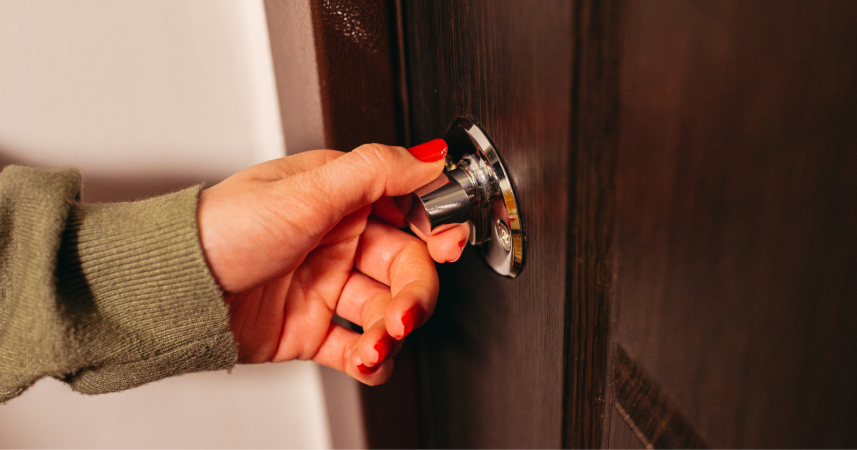
I’d lock the door, walk away, then feel that itch in my chest.
What if I didn’t actually lock it? I’d come back and check.
Sometimes twice. Sometimes three times.
Same thing with cooking. I could be standing over a pan, watching a steak sear perfectly, and still feel compelled to turn the heat down, then back up, then down again.
Not because it needed it.
Because I didn’t trust myself.
For a long time, I chalked this up to being detail-oriented. Or anxious. Or just someone who likes control.
But eventually I realized something more uncomfortable.
This wasn’t about safety.
It was about fear.
The quiet lesson many of us grew up with
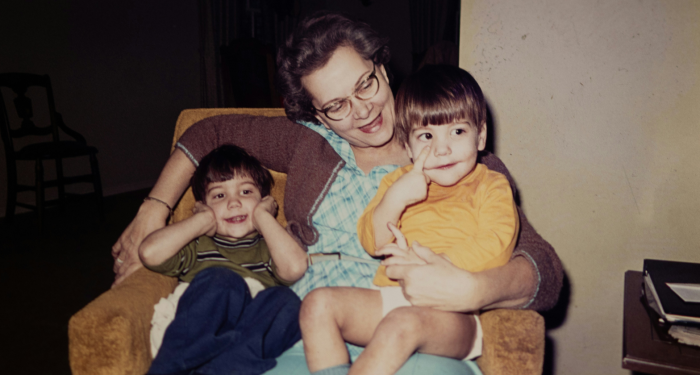
If you grew up in a household where mistakes were punished, mocked, or used as leverage, your nervous system learned a very specific rule.
Don’t mess up.
Not because mistakes are bad. But because mistakes weren’t safe.
Maybe it wasn’t overt. No screaming. No slammed doors.
Maybe it was sighs. Eye rolls. Disappointment that lingered in the air longer than the mistake itself.
Maybe it was being told you should have known better.
Or being reminded of your mistakes long after they happened.
The message lands the same.
Messing up costs you something.
Approval. Calm. Love. Safety.
So you adapt.
You double-check. You anticipate problems. You replay scenarios in your head.
You try to eliminate error before it has a chance to exist.
That habit doesn’t disappear when you become an adult.
It just gets better dressed.
Why triple-checking feels responsible but isn’t always healthy
Here’s the tricky part.
Our culture rewards this behavior.
Being careful is good. Being thorough is good. Being detail-oriented is good.
In kitchens, especially high-end ones, mistakes matter. Timing matters. Temperature matters. A few seconds too long and you ruin the dish.
I spent years learning that precision is part of excellence.
But there’s a difference between precision and fear-driven control.
One is intentional.
The other is compulsive.
When you triple-check not because the task requires it, but because your body won’t relax until you do, that’s not responsibility.
That’s your nervous system scanning for danger.
And the danger isn’t the unlocked door.
It’s the feeling of being wrong.
How your body remembers what your mind forgot
You can intellectually know that forgetting to lock the door once doesn’t make you a bad person.
Your body might disagree.
The body remembers emotional patterns long after the story fades.
So even if your adult life is stable, even if no one is going to yell at you for leaving the stove on, your system still reacts like something bad is about to happen.
That tightness in your chest.
That looping thought.
That urge to check just one more time.
That’s not you being broken.
That’s learned survival.
At some point, being hyper-vigilant kept you emotionally safe.
Your system just hasn’t updated the software yet.
Food habits often reveal this pattern first
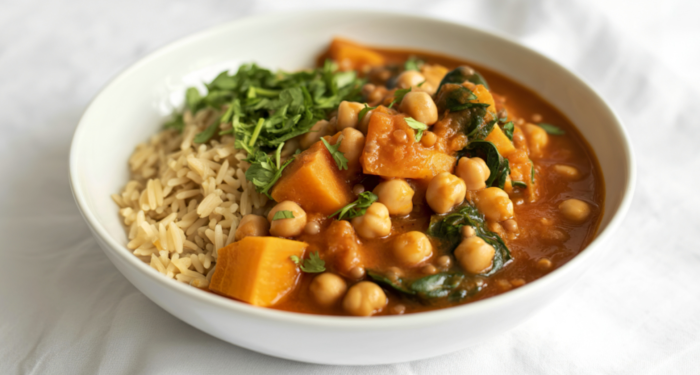
I notice this pattern show up a lot around food.
Not just with cooking, but with eating.
People who grew up around criticism often have a complicated relationship with food choices.
They second-guess portions.
They overthink ingredients.
They feel guilty for enjoying something indulgent.
I’ve seen friends order what they actually want, then apologize for it.
Or choose something lighter not because they want it, but because it feels safer.
Food becomes another place where mistakes feel costly.
Too much. Too indulgent. Too careless.
And if you learned early on that being careless led to shame, your relationship with food can quietly turn rigid.
Not disordered. Just tense.
Always on guard.
The connection between control and self-trust
 At the core of all this is one thing.
Trust.
When mistakes weren’t safe, you didn’t learn how to recover from them.
You learned how to avoid them.
That means you never built trust in your ability to handle things if they go wrong.
So instead of trusting yourself, you try to control outcomes.
Control feels like safety.
But it’s a fragile kind of safety.
Because no matter how many times you check the door, your brain can always invent a new what if.
Self-trust, on the other hand, sounds like this.
Even if I mess up, I’ll handle it.
That belief is calming.
And most of us didn’t grow up with it.
Why awareness alone doesn’t fix the habit
Once you see this pattern, it’s tempting to tell yourself to just stop.
Stop worrying.
Stop being dramatic.
That rarely works.
Because this habit isn’t logical.
It’s embodied.
You don’t triple-check because you think it’s necessary.
You triple-check because your body hasn’t learned that mistakes are survivable.
Trying to override that with willpower often backfires.
You end up feeling even more anxious.
The goal isn’t to force yourself into being careless.
It’s to teach your system that being imperfect doesn’t equal danger.
Practicing safety through small, intentional risks
One of the most useful shifts I’ve made is practicing safe mistakes.
Tiny ones.
Leaving the house without checking the door twice.
Sending a message without rereading it five times.
Letting a dish be slightly underseasoned instead of endlessly adjusting.
Nothing catastrophic happens.
And that’s the point.
Each time you don’t correct the impulse, you’re giving your nervous system new data.
Mistakes don’t always lead to punishment.
Discomfort rises, then falls.
The world doesn’t end.
This is how self-trust is built. Not through affirmations. Through experience.
Reframing mistakes as feedback, not threats
One idea that stuck with me from reading a lot of behavioral psychology is this.
Your brain learns through prediction errors.
It expects one thing to happen. Something else happens instead. It updates.
If every mistake in childhood led to emotional pain, your brain predicted danger.
Now you’re an adult. The prediction is outdated.
But it won’t change until it sees evidence.
Mistakes that end in neutrality. Or even growth.
Cooking taught me this in a real way.
Burn a sauce once, you adjust next time.
No moral failure. Just information.
Life works the same way.
But only if you let yourself experience the full cycle instead of interrupting it with control.
When perfection becomes a way to earn safety
A lot of high-functioning adults carry this quietly.
They succeed. They perform. They appear confident.
But underneath, there’s a constant monitoring.
Did I say the wrong thing?
Did I forget something?
Did I mess this up?
Perfection becomes a strategy to stay safe in relationships.
If I don’t mess up, no one will leave.
If I don’t mess up, I won’t be criticized.
If I don’t mess up, I’ll be okay.
The problem is perfection is exhausting.
And it never actually delivers the safety it promises.
Because safety doesn’t come from never making mistakes.
It comes from knowing mistakes won’t destroy you.
How this pattern softens with compassion, not force
What helped me wasn’t shaming myself for being anxious.
It was getting curious.
Why do I feel the need to check again?
What am I afraid will happen if I don’t?
Where did I learn that?
When you approach these habits with compassion instead of frustration, they loosen naturally.
You stop fighting yourself.
And often, what you hear is an old belief asking to be updated.
Finally, learning to trust yourself again is a practice
This isn’t something you fix once.
It’s a practice.
Some days you’ll check twice. Some days you won’t.
Progress isn’t never feeling the urge. It’s responding differently to it.
Instead of obeying it automatically, you pause.
You remind yourself that you’re allowed to be human.
That mistakes are part of being alive, cooking, loving, building a life.
That safety doesn’t come from control.
It comes from resilience.
And the more you let yourself be imperfect without punishment, the more your body learns what your adult mind already knows.
You’re allowed to mess up.
And you’re still safe.