Eating faster than everyone else is rarely just a habit. These patterns often trace back to childhood and reveal how early experiences still shape your behavior today.
If you have ever looked up from your plate and noticed everyone else is still eating, this is for you.
Eating fast often feels harmless. Sometimes it even feels efficient. But speed at the table is rarely about hunger alone.
It is usually about history. Habits. Old rules that never got updated.
Let’s talk about what might really be going on.
1) Speed at the table is often learned, not chosen
Most people assume eating fast is just a personality trait.
- “I’m just a fast eater.”
- “I’ve always been this way.”
That second sentence matters more than it seems.
Eating speed is usually learned early. Long before we had language for stress, safety, or scarcity. Family meals teach us more than manners. They teach us timing, security, and what happens if we hesitate.
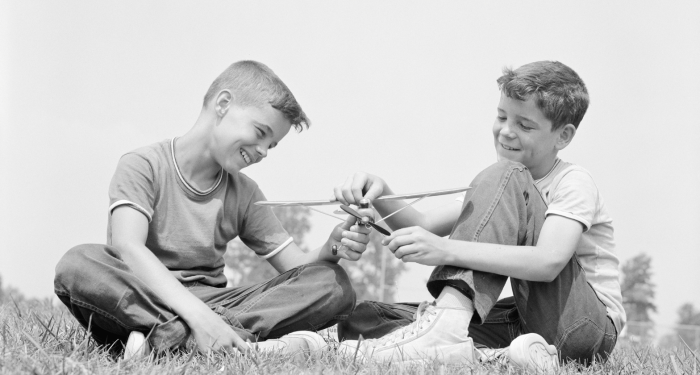
In some homes, food disappeared quickly. Siblings competed. Seconds were not guaranteed. Eating slowly meant risking hunger later.
In others, meals were tense. Arguments erupted. Silence felt heavy. Eating quickly became a way to escape the table as fast as possible.
None of this feels dramatic when you are a kid. It just becomes normal.
Years later, your fork still moves fast, and your body believes it is being practical.
2) Your nervous system may still be trying to secure resources
Here is a simple question.
Do you feel a subtle sense of relief once your plate is empty?
That feeling is a clue.
Fast eating is often tied to a nervous system that learned early on that food needed to be secured. Even if there is plenty now, your body might still be operating as if supply is uncertain.
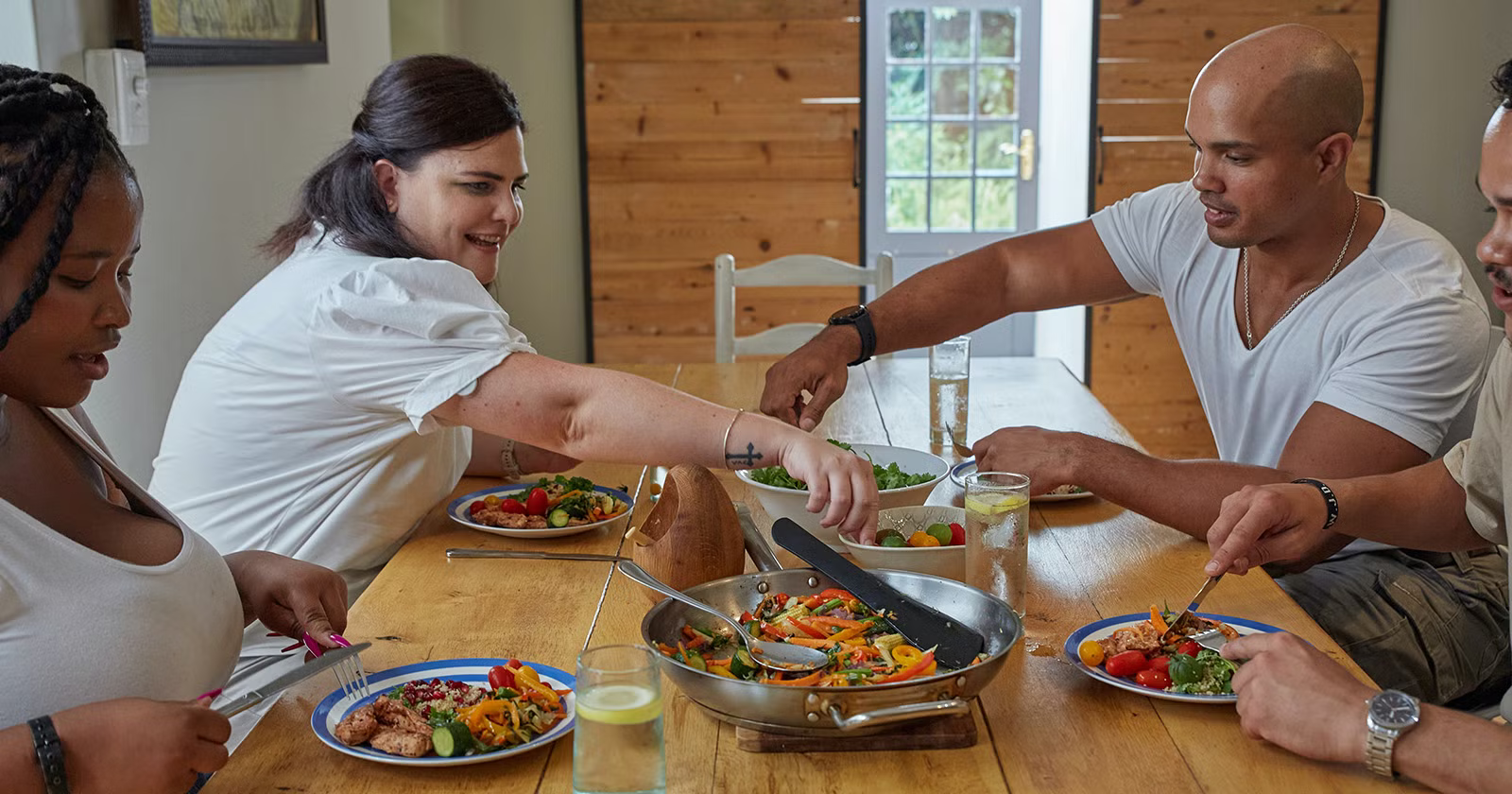
This shows up most clearly in shared eating situations. Family style meals. Buffets. Group dinners. Anywhere food feels public.
Your brain quietly says, “Make sure you get enough.”
I have seen this in myself during social meals, even when logic said there was more food coming. My body was not interested in logic.
Our nervous systems remember patterns long after circumstances change.
3) Eating fast can be a form of staying alert
Not everyone who eats quickly grew up with food scarcity.
Some grew up with emotional unpredictability.
If meals were emotionally charged, you may have learned to stay alert at the table. Watching faces. Listening closely. Preparing for shifts in mood.
Eating quickly allowed you to stay aware of the room instead of sinking into the experience of eating.
I noticed this years ago while traveling. I was eating with friends in a relaxed setting, no rush, no tension, yet my fork barely paused. That was the moment it clicked.
Speed was not about hunger. It was about staying ready.
Fast eating can be a way to stay in control when your body learned that relaxing was not safe.
4) Finishing early can reduce how visible you feel
Another question worth asking.
How do you feel when you finish eating before everyone else?
Some people feel efficient. Others feel uncomfortable.
When your plate is empty, there is nothing left to do with your hands. No task to focus on. You become more visible.
If you grew up in an environment where attention came with criticism, correction, or pressure, you may have learned to shorten the time you were noticed.
Eating fast becomes a way to minimize exposure.
Food turns into a task instead of an experience.
Years later, that habit sticks, even when no one is judging.
5) Fast eating often disconnects you from internal signals
One of the quiet consequences of eating quickly is that you stop listening to your body.
Hunger becomes a starting signal. Fullness arrives late.
This is not about willpower. It is about timing.
When you eat fast, your body does not get enough space to send feedback in real time. Signals get missed.
As someone who eats plant based, I hear a lot about mindful eating. Slow down. Chew more. Be present. All solid advice, but often incomplete.
You cannot simply slow down a habit that once protected you without understanding why it exists.
Speed served a purpose. That matters.
6) The table can reactivate old roles instantly
Family roles have a strange way of resurfacing through small behaviors.
Who ate last. Who finished everything. Who never complained.
If you were the responsible one or the low maintenance one, you may have learned to eat efficiently and quietly. No mess. No lingering. No extra needs.
Fast eating can be an extension of that role. Stay easy. Stay unnoticed. Do not take up time.
You may not think about your childhood during dinner, but your body remembers exactly what its job used to be.
7) Slowing down can feel uncomfortable at first
This is where many people get stuck. They try to eat slower and feel uneasy.
Restless. Exposed. Slightly anxious. That discomfort is not a failure. It is information.
Slowing down removes a layer of protection. It asks your body to trust that nothing bad will happen if you stay longer, chew more, or pause.
For someone whose early experiences taught them otherwise, that can feel threatening.
Start small.
Pause once mid meal. Take one breath before the next bite. Notice texture or temperature instead of speed.
You are not fixing a flaw. You are updating an old system.
8) Awareness works better than forcing change
This is not about discipline or rules. It is about curiosity.
Next time you notice yourself racing through a meal, do not correct it right away. Observe it.
Ask simple questions. What am I feeling right now? Is there tension underneath this speed? What does my body think it is protecting me from?
These questions soften the habit instead of fighting it.
Change happens more easily when the body feels understood.
9) Eating slower is about safety, not manners
A lot of advice around eating speed focuses on etiquette or digestion.
Those things matter, but they miss the deeper layer.
For many people, eating slowly is not a skill problem. It is a safety problem.
Your body speeds up because it learned that moving quickly was the safest option available at the time.
When you approach change from that perspective, the tone shifts.
Instead of forcing yourself to slow down, you begin to show your nervous system that the environment is different now.
That takes repetition, not pressure.
10) You do not need to uncover every memory to move forward
Some people worry that understanding habits like this requires digging up painful memories.
It does not.
You do not need a full origin story to create change.
You only need to notice patterns and respond with curiosity instead of judgment.
Sometimes awareness alone is enough to loosen the grip.
Sometimes change happens gradually, one slower meal at a time.
Both are valid.
The bottom line
If you eat faster than everyone else, it does not mean something is wrong with you.
It usually means something once happened that taught your body to move quickly around food.
That lesson made sense at the time.
You do not need to erase it. You just need to recognize it and let your body know the context has changed.
Meals are one of the few rituals we repeat daily for decades. They carry memory whether we notice it or not.
Slowing down starts with awareness.
And awareness starts by asking why your fork is always in such a hurry.