After fifteen years waiting tables, I learned that how people order says more than what they order. Certain habits consistently revealed who grew up around money, comfort, and ease. These nine behaviors aren’t about judgment or status. They’re subtle signals of confidence, curiosity, and how someone moves through the world.
I spent fifteen years waiting tables, mostly in restaurants where the lighting was soft, the menus were intimidating, and the expectations were unspoken but very real.
These were the kinds of places where people didn’t just come to eat, they came to be seen.
When you work in hospitality that long, you stop hearing orders as isolated requests.
You start seeing patterns in how people sit, speak, and navigate the entire experience.
At first, I thought these patterns were about personality. Over time, I realized they were more about upbringing.
Specifically, whether someone grew up around money, or at least around comfort, stability, and ease.
Not wealth in a flashy sense, but an environment where needs were met without constant tension.
This isn’t about judging people or assigning value. It’s about observation and what behavior quietly reveals when no one is trying to perform.
Here are nine ordering habits I noticed again and again that instantly signaled someone grew up with money.
1) They don’t rush the moment they sit down
Some guests open the menu like it’s a timed exam. Their eyes dart, their shoulders tense, and they want to lock in an answer as fast as possible.
People who grew up with money tend to settle into the chair first. They let the space breathe before trying to control the outcome.
They’re comfortable saying they need a minute, even if the server looks busy. That comfort with not rushing is one of the clearest tells.
It’s not laziness or entitlement. It’s an assumption that the world will wait a moment for them.
2) They ask questions that come from curiosity, not fear
There’s a noticeable difference between curiosity and anxiety when someone asks about a dish. Servers can hear it instantly.
People who grew up with money ask questions because they’re genuinely interested.
They want to understand flavors, preparation, or why something is done a certain way.
They aren’t trying to avoid embarrassment or regret. They’re exploring the menu the same way they’d explore a new city or conversation.
That mindset completely changes the energy at the table. It turns ordering into collaboration instead of risk management.
3) They don’t narrate prices out loud
Everyone sees the prices on a menu. Not everyone feels the need to comment on them.
Some guests can’t help reacting verbally when something feels expensive or unexpectedly cheap. Those comments often come from tension rather than frugality.
People raised around money tend to keep that internal. Even when they’re budgeting, they don’t make the table participate in their calculation.
There’s a quiet confidence in how they handle cost. It exists, but it doesn’t dominate the moment.
4) They trust the menu more than their need to control it
This one took me years to fully understand. People who didn’t grow up eating out often feel the need to manage the kitchen.
They customize heavily, ask for multiple backups, and treat the menu like a rough draft. It’s not entitlement, it’s self-protection.
People who grew up with money usually assume the dish works as designed. They’ll make a change if there’s a strong preference, but they trust the process.
That trust shows respect for the craft. Kitchens feel it immediately.
5) They treat the server like a guide, not a test subject
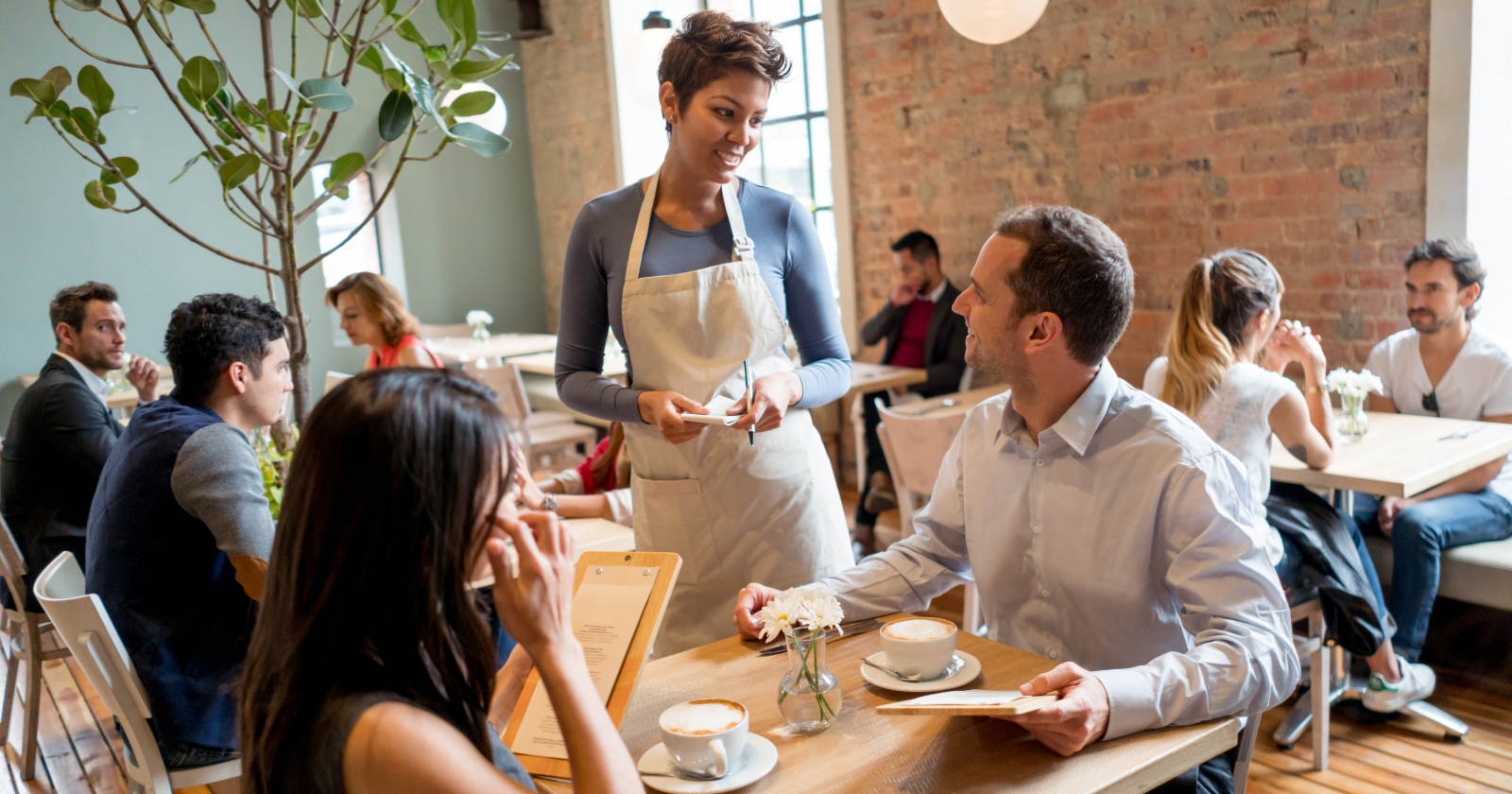
Some guests ask questions to see if you know enough to deserve their trust. It’s subtle, but it’s there.
Others approach the interaction like a conversation. They explain what they’re in the mood for and let the server help steer the decision.
People raised around money almost always fall into the second group. They’re comfortable relying on expertise without needing to challenge it.
That dynamic creates better service on both sides. Mutual respect does that.
6) They order what they want, not what signals status
There’s a common belief that wealth always chases the most impressive option. In my experience, insecurity does that far more often.
People who grew up with money order what sounds good to them. Sometimes that’s the simplest thing on the menu.
They don’t feel the need to prove discernment through price or complexity. Taste comes first, image comes later or not at all.
It’s one of the most relaxed ways to order, and one of the hardest to fake.
7) They stay calm when something goes wrong
Mistakes happen in restaurants. Orders get delayed, dishes get mixed up, and items sell out.
People who grew up with money rarely escalate emotionally in these moments. They assume the issue can be fixed.
That assumption comes from lived experience. Things have gone wrong before, and they usually worked out.
They treat the server as an ally, not an obstacle. That alone changes everything.
8) They think about the table, not just themselves
Shared ordering reveals a lot about someone. You can learn more in five minutes of group ordering than an entire meal of solo choices.
People raised in abundance tend to think systemically. They consider balance, portions, and whether everyone will feel included.
This isn’t performative generosity. It’s simply how they’re used to navigating shared experiences.
They grew up in environments where there was enough. That assumption still guides their decisions.
9) Finally, they treat tipping as part of the experience, not a message
This last habit ties all the others together. People who grew up with money rarely use tipping as leverage.
They don’t see it as a reward for perfection or a punishment for imperfection. It’s a built-in part of the exchange.
They understand the ecosystem of service. They understand that humans, not machines, are involved.
That understanding shows up clearly at the end of the meal.
The deeper lesson behind all of this
After fifteen years in hospitality, I can say this with confidence. These habits aren’t really about money.
They’re about comfort with choice, comfort with uncertainty, and comfort with other people doing their jobs.
Growing up with money often teaches you that mistakes aren’t emergencies.
It teaches you that preferences are allowed and that not every decision needs to be optimized.
If you didn’t grow up that way, none of this is out of reach. These behaviors are learned, not inherited.
You can slow down at the table. You can ask better questions and trust the process a little more.
And whether it’s ordering dinner, navigating your career, or building relationships, that kind of ease changes how everything feels.