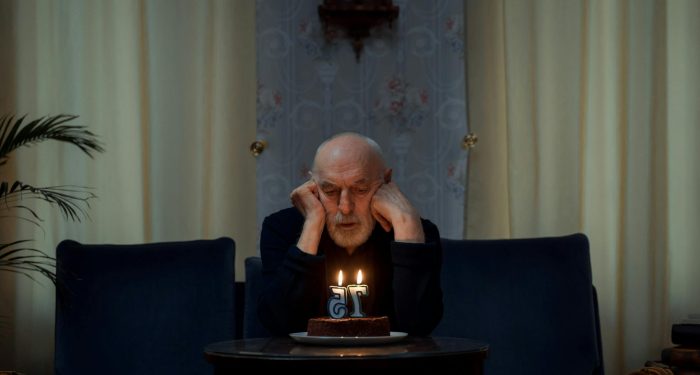
After decades of being everyone's emergency contact, team mom, and family coordinator, I discovered during my post-surgery recovery that I was the only one who'd memorized anyone else's phone number.

Add VegOut to your Google News feed. 
Last Thursday marked three weeks since my emergency gallbladder surgery. Three weeks of lying in bed, watching dust particles float through afternoon sunlight, and discovering that my phone barely rings anymore. The silence has been educational, to put it mildly.
You know that moment when you realize you've been running on autopilot for so long that you forgot to check if anyone was still watching?
That's where I found myself, propped up on too many pillows, scrolling through contacts and wondering when exactly I became the person who does all the calling, all the checking in, all the reaching out.
The answer came quickly: somewhere between the first soccer practice and the ten thousandth packed lunch.
1. The invisible labor of staying connected
For decades, I was the keeper of everyone's schedule, the rememberer of birthdays, the sender of holiday cards.
I knew which parent preferred text updates about practice times and which ones needed a phone call. I could tell you every teacher's coffee order and which kids on the team had peanut allergies. My brain was a walking, talking family management system.
But here's what nobody tells you about being the family conductor: when you stop waving the baton, the music doesn't just play itself. It stops entirely.
During those years of single motherhood, working two jobs meant my days started at 5 AM and ended long after the kids were asleep.
Yet somehow, I still managed to maintain every relationship, coordinate every playdate, and RSVP to every birthday party. I thought I was building a community. What I was actually doing was becoming the sole architect of a network that couldn't stand without me.
2. When the caregiver needs care
The morning of my surgery, I sent out a group text letting folks know I'd be out of commission for a while. The responses were warm, full of heart emojis and "thinking of you" messages. Then, nothing. Days turned into a week, and I found myself checking my phone constantly, wondering if it was broken.
Remember Tom Stoppard's line from Rosencrantz and Guildenstern Are Dead? "We cross our bridges when we come to them and burn them behind us, with nothing to show for our progress except a memory of the smell of smoke."
That's what those first days felt like, lying there realizing that all those bridges I'd carefully maintained for others had somehow caught fire when I wasn't looking.
The hardest part wasn't the physical pain. After two knee replacements, I know my way around recovery. The hardest part was recognizing that my worth to many people was apparently tied to what I could do for them, not who I was to them.
3. The myth of reciprocal relationships
Have you ever noticed how some friendships feel like you're always the one reaching across the table?
During my teaching years, I mentored countless young teachers, stayed late to help struggling students, and never missed a colleague's retirement party. I told myself these were investments in community, that someday the care would flow both ways naturally.
But care doesn't work like a savings account. You can't deposit acts of service and expect to withdraw support when you need it. Some people are simply takers, and they're often so charming about it that you don't notice until you're the one with empty hands.
My son called twice during those three weeks. My daughter managed four calls, though two were while she was grocery shopping and had to go quickly.
The friends from my divorced parents' support group, the ones I'd driven to court dates and held through tears? Radio silence. The soccer team parents I'd coordinated carpools with for eight years? Not a peep.
4. Finding grace in unexpected places
Just when I was ready to embrace full hermit status, my doorbell rang.
Standing there was Margaret, a woman from my water aerobics class who I barely knew beyond discussing arthritis remedies in the locker room. She brought soup, stayed to chat for twenty minutes, and came back three days later with fresh bread and gossip from the pool.
Then came the text from a former student, now in her forties, who'd somehow heard through the grapevine about my surgery. She sent daily jokes for two weeks straight. Nothing profound, just silly memes and bad puns, but they arrived like clockwork at 3 PM.
These weren't the people I'd poured myself into. These were the ones who simply noticed when someone was missing and decided to do something about it.
In a previous post about finding purpose after retirement, I wrote about how sometimes life's greatest teachers come disguised as casual acquaintances. Never has that felt more true.
5. Rewriting the rules of engagement
Recovery gives you time to think, perhaps too much time. I started making two lists: people who showed up and people who didn't. Then I tore them both up.
This isn't about keeping score anymore. It's about finally understanding that I've been playing a game where I wrote all the rules and never told anyone else they were playing.
Moving forward, I'm done being the sole keeper of connections. If someone wants to be in my life, they can pick up the phone too. If they can't remember my birthday without my reminder text about theirs, so be it. This isn't bitterness talking; it's clarity.
I'm learning to appreciate the people who naturally reciprocate without being asked, who don't need me to orchestrate our friendship. These relationships might be fewer, but they're real. They're the ones where care flows both ways without anyone keeping track.
Final thoughts
Three weeks in bed taught me what thirty years of constant motion couldn't: the difference between being needed and being valued. I spent decades making myself indispensable, thinking that was the same as being loved.
But love shows up with soup when you're sick. It sends terrible jokes when you're sad. It doesn't wait for you to organize its appearance.
I'm back on my feet now, moving slowly but surely. My phone still doesn't ring as much, but when it does, I know it's someone calling because they want to hear my voice, not because they need something.
And honestly? That silence between the rings doesn't feel quite so empty anymore.