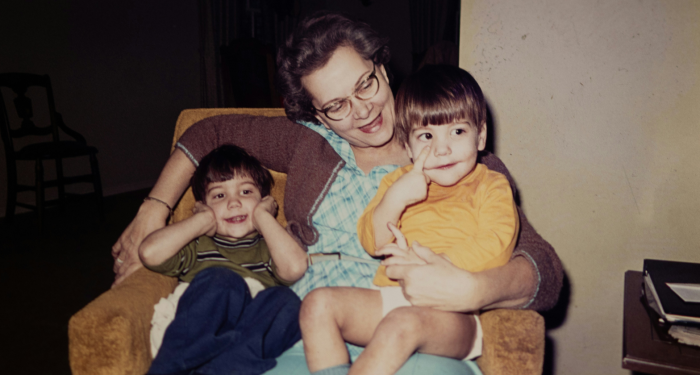
Most of them ended conversations by saying something like, “I hope you don’t make the same mistake.”

Add VegOut to your Google News feed. 
A while back, I started asking older people a simple question.
Not in a formal survey way. More like conversations that happened naturally. Friends’ parents. Neighbors. People sitting next to me on long flights. Folks who had lived enough life to speak without needing to impress anyone.
The question was straightforward.
“If you could go back, what would you do differently?”
I expected a wide range of answers. Different careers. Missed investments. Maybe a few jokes about hair or fashion.
Instead, something surprising happened.
The same four regrets kept coming up. Different words, different stories, but the same themes underneath.
And none of them were about money in the way you might expect.
1) They waited too long to live on their own terms
This one came up almost immediately in nearly every conversation.
People talked about doing what was expected. Staying in jobs they did not enjoy. Following paths that looked responsible on paper but felt empty in real life.
A lot of them used phrases like “I thought I’d do it later” or “I just needed a few more years.”
Later rarely came.
Many boomers grew up in a time where stability was the highest value. One job. One company. One version of success.
So they stayed put. Even when they felt restless. Even when something inside them was quietly asking for more.
The regret was not about working hard. It was about postponing authenticity.
They wished they had trusted themselves sooner, instead of waiting for permission that never arrived.
2) They sacrificed health thinking they could fix it later
This regret often came with a sigh.
People talked about long hours. Stress that felt normal at the time. Ignoring sleep, movement, and mental health because “that’s just how life is.”
They assumed they could undo the damage later.
Many of them were wrong.
Back pain. Chronic illness. Burnout that never fully lifted.
What struck me was how many said they underestimated how cumulative stress really is. Not just physically, but emotionally.
They thought pushing through was strength. Looking back, they saw it as neglect.
More than once, someone said some version of, “I wish I had taken my body seriously when it was still forgiving.”
3) They avoided difficult conversations for too long
This one showed up in stories about marriages, friendships, siblings, and even kids.
People talked about things they never said. Boundaries they never set. Truths they swallowed to keep the peace.
At the time, avoidance felt easier. Less messy. Less risky.
But over decades, those unspoken things turned into distance, resentment, or quiet regret.
Some relationships faded without a clear reason. Others stayed intact but never felt fully honest.
The common realization was simple and painful.
Short term discomfort would have saved years of emotional cost.
Many said they wish they had learned earlier that clarity is kinder than silence.
4) They underestimated how fast time actually moves
This regret was the hardest to hear, because it came with a kind of disbelief.
People talked about how quickly decades passed. How kids grew up while they were busy planning for “someday.” How relationships changed while they assumed there would always be more time.
They remembered saying things like “next year” or “after things calm down.”
Things rarely calmed down.
Life just kept moving.
What they regretted was not being busy. It was being distracted.
They wished they had been more present instead of constantly preparing for a future that kept shifting.
What didn’t come up as much as I expected
Very few people talked about not making enough money.
Almost no one mentioned specific career titles.
Regrets about buying the wrong house or missing a big investment opportunity were rare.
When money did come up, it was usually tied to freedom, not wealth.
They wished they had used money as a tool to support life, instead of letting life revolve around earning it.
That distinction mattered to them in hindsight.
Why these regrets repeat across different lives
After hearing these stories over and over, a pattern became clear.
These regrets are not about bad decisions. They are about delayed decisions.
Waiting to be ready. Waiting to feel safe. Waiting for certainty.
Most people were not reckless. They were cautious. Responsible. Thoughtful.
But that same caution kept them from acting when it mattered.
Jordan Peterson once said something along the lines of people trading short-term discomfort for long-term suffering. I kept thinking about that as I listened.
Avoiding discomfort feels reasonable in the moment. Over decades, it compounds.
What younger people tend to misunderstand
A lot of people assume regret comes from big mistakes.
What I heard was the opposite.
Regret came from not choosing.
From staying quiet. Staying put. Staying busy.
People did not regret the risks they took as much as the ones they talked themselves out of.
They were not wishing they had been fearless. They were wishing they had been honest.
Honest about what they wanted. Honest about what was not working.
A useful question to ask yourself now
You do not need to overhaul your life tomorrow.
But one question kept surfacing in my mind after these conversations.
“What am I postponing that I already know matters?”
Not what feels dramatic. Not what looks impressive.
What quietly tugs at you.
Health. Boundaries. Creativity. Time with people you care about.
Those are the things that tend to show up later as regret when ignored long enough.
Final thoughts
Talking to boomers about regret was not depressing. It was grounding.
There was no bitterness in their voices. Just clarity.
They were not asking for pity. They were offering perspective.
Most of them ended conversations by saying something like, “I hope you don’t make the same mistake.”
The good news is this.
Awareness creates options.
Regret usually comes from living on autopilot for too long. Paying attention now is already a different path.
And that might be the one thing they all wished they had done a little sooner.
If You Were a Healing Herb, Which Would You Be?
Each herb holds a unique kind of magic — soothing, awakening, grounding, or clarifying.
This 9-question quiz reveals the healing plant that mirrors your energy right now and what it says about your natural rhythm.
✨ Instant results. Deeply insightful.

Jordan Cooper
Jordan Cooper is a pop-culture writer and vegan-snack reviewer with roots in music blogging. Known for approachable, insightful prose, Jordan connects modern trends—from K-pop choreography to kombucha fermentation—with thoughtful food commentary. In his downtime, he enjoys photography, experimenting with fermentation recipes, and discovering new indie music playlists.
More Articles by Jordan