Your past isn’t only stored in stories because it’s also stored in sensations.
If you want a time machine, just open the right smell.
Last month I asked 40 baby boomers one simple question: What smell instantly takes you back to childhood?
What surprised me was how quickly people answered.
Like the memory was already waiting at the door, keys in hand.
Even more surprising, the same seven answers kept showing up, over and over.
There’s a reason for that: Smell is wired straight into the brain’s emotional memory system.
It doesn’t take the scenic route through logic, and it cuts the line and goes directly to feeling.
Let’s talk about the seven scents that kept returning, and what they reveal about memory, comfort, and why your “small” childhood moments might be shaping your adult decisions more than you think:
1) Freshly cut grass
This one came up constantly.
Boomers described it like a whole scene: Saturday mornings, neighborhood lawns, and the hum of a mower somewhere down the block.
One guy told me he can’t smell fresh-cut grass without picturing his dad in white sneakers and a tucked-in T-shirt.
He said it with a half laugh, like he didn’t expect the memory to still hit that hard.
Freshly cut grass is interesting because it’s not rare.
You can smell it today, and that’s the point because your brain loves cues it can re-encounter.
When a smell repeats across decades, it keeps strengthening the path back to the original memory.
If you’ve ever wondered why you sometimes crave “simple” things as an adult, this is part of it.
Your nervous system is chasing familiarity.
Question for you: When was the last time you let a basic sensory moment actually land, instead of rushing past it?
2) Sunscreen
Sunscreen might be the most emotional smell on this list because it’s loaded.
Beach days, summer vacations, swimming pools, road trips, and that particular sticky feeling of being a kid who didn’t manage their own schedule yet.
A few people mentioned the old-school coconut vibe.
Others just said “that sunscreen smell” and nodded like I’d already understand.
What I noticed about sunscreen memories is that they’re rarely about achievement.
They’re about permission: Permission to be outside, be idle, and play without optimizing anything.
Yeah, we lose that as adults.
We turn everything into a project.
If you’re stuck in constant productivity mode, try this: Recreate one harmless “kid cue” on purpose as a reset.
Sometimes you just need the sensory suggestion of one.
3) Cigarette smoke
This one surprised some readers when I mentioned it, but it didn’t surprise the boomers at all.
A lot of them grew up around smokers: Cars, diners, living rooms, or family gatherings.
To be clear, many of them don’t like cigarettes now.
Some were very blunt about that, but smell doesn’t care if you approve.
Smell only cares if the association is strong.
For many of them, cigarette smoke was the smell of adults being adults.
It meant grown-up conversations, late nights, card games, and holidays.
This is where it gets real: Sometimes nostalgia is tied to things that weren’t “healthy,” but were socially warm.
That can mess with our self-development narratives.
We like clean stories, such as childhood's good yet adulthood's better, or lessons learned and a complete glow-up.
But memory is messy, and part of growing up is being able to hold that complexity without lying to yourself.
If a smell brings you back to a complicated moment, just notice what you’re actually longing for.
Often, it’s the feeling of being included.
4) Chlorine
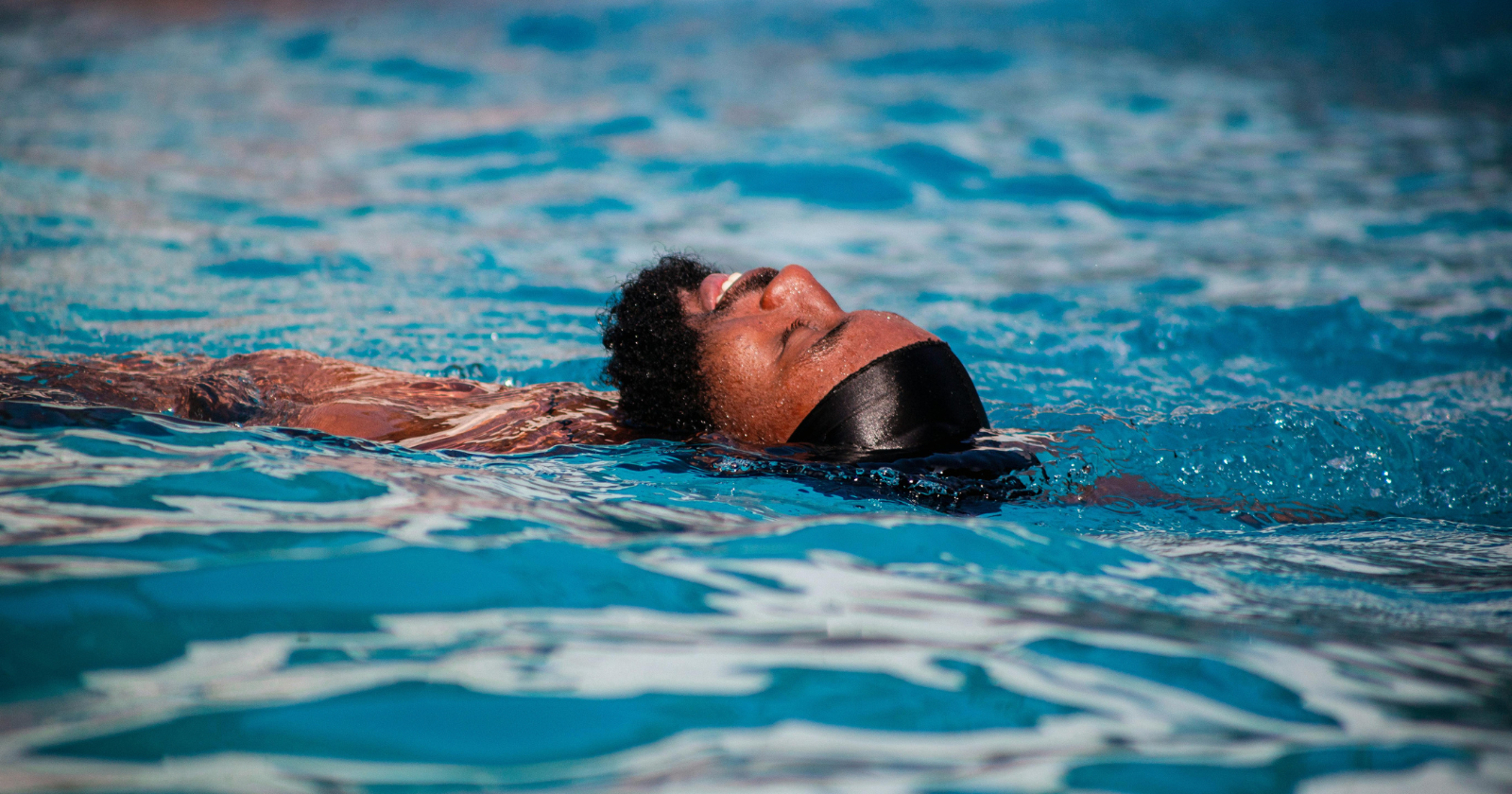
Chlorine showed up a lot, and it showed up fast.
They said swim lessons, public pools, summer camps, the squeak of wet sandals.
One woman told me she can smell chlorine and instantly feel the sting in her eyes from opening them underwater.
She said it like she was proud she survived it.
Chlorine memories tend to be about bravery in small doses.
As kids, we did scary things all the time without calling them scary: Jumping into the deep end, going down the slide, or letting go of the wall.
As adults, we sometimes wait until we feel “ready,” but readiness is often just familiarity.
We underestimate how much our confidence is built from tiny repeated risks, not big heroic leaps.
I your life feels stuck, ask yourself: Where’s your shallow end right now?
What’s one small discomfort you can practice until it becomes normal?
5) Crayons
Crayons might be the purest time capsule on the list.
Multiple people said the same thing: Open a crayon box and they’re six years old again.
One guy said it’s like his brain switches to “classroom mode.”
Crayons are tied to early identity because early school is where we first learn, quietly, who we are “allowed” to be: Who gets praised, who gets corrected, and who gets told to sit still.
Those early sensory environments can still influence your adult behavior.
If you grew up in a place where creativity was safe, you may still feel relaxed when you try new things; if you grew up in a place where you were judged fast, you might still feel anxious starting anything messy.
I do photography on the side, and I notice how many adults freeze when they “don’t know what they’re doing.”
Kids don’t freeze like that; they scribble first, adjust later.
If you want more freedom in your life, you might need to reclaim that crayon energy.
Make something badly on purpose, to remind your brain you’re not going to get in trouble for trying.
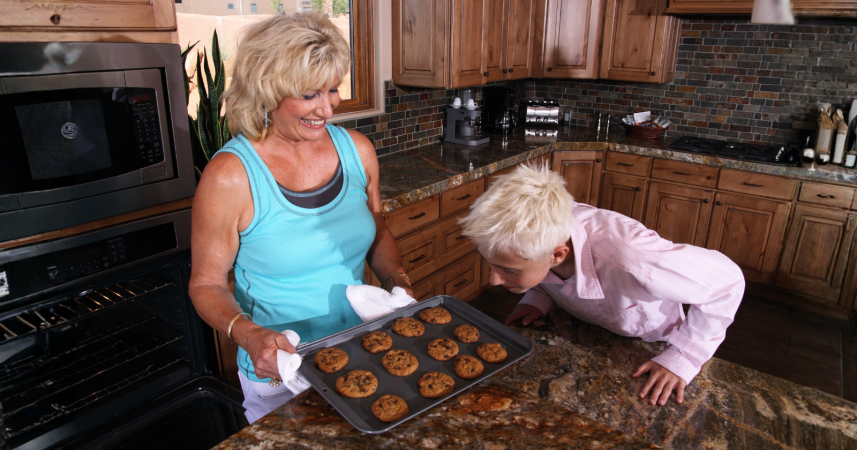
6) Fresh baked cookies
This one was everywhere.
Chocolate chip cookies, sugar cookies, holiday baking, and warm kitchens.
A lot of boomers associated it with a specific person, usually mom, grandma, or a neighbor.
This smell is about care that you didn’t have to ask for.
As a vegan, I obviously have my own version of this now.
I bake sometimes and, even without eggs or butter, that sweet warm smell still does something to the room.
It lowers everyone’s shoulders a little.
Here’s a practical self-development angle: If you want to feel more grounded, build “care cues” into your environment.
Make your home smell like something you associate with safety, such as cinnamon tea, toast, vanilla, and coffee.
Whatever works for you.
Your brain is an animal, and it responds to signals; the signal of “warm food is happening” often translates into “I can relax now.”
7) Rain on hot pavement
This one came up in different words, but it was the same idea:
- “First rain after a dry spell.”
- “Summer rain.”
- “That smell when it starts pouring.”
Some people didn’t know the word for it because they just described it with their hands.
That’s how you know it’s real.
This smell tends to bring back childhood freedom because rain changed the rules.
Suddenly you could splash, run, get dirty, come inside soaked, and it was fine.
You weren’t expected to be polished.
I’ve traveled enough to notice that some places have a stronger version of this smell, especially in hot cities where the streets bake all day.
When the rain hits, it’s like the whole world exhales.
Honestly, that might be what people are remembering: the exhale.
If you feel like you’ve been holding your breath through adulthood, consider this your reminder.
You’re allowed to have “weather moments.”
Go outside when the rain starts, stand under an awning, and smell the air for ten seconds.
The bottom line
Those boomers were showing me something we all forget.
Your past isn’t only stored in stories because it’s also stored in sensations.
If you want to understand yourself better, pay attention to what smells make you feel like a different version of you then ask the deeper question: What does that version of you need right now?
Sometimes the fastest path forward is reconnecting with an old feeling of safety, and building from there.