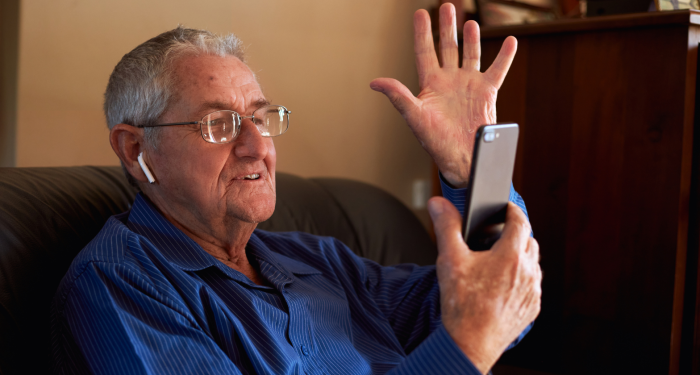
I blamed my texting skills for years without realizing the real issue. These 5 small habits quietly frustrated people and slowly pushed them away.
I used to joke that I was just “bad at texting.”
You know the type. Slow replies. Awkward timing. Messages that somehow landed wrong even when the intention was good.
For a long time, I chalked it up to personality. Or age. Or the idea that some people are just better communicators online. But the more I paid attention, the more I realized something uncomfortable.
It wasn’t that I was bad at texting. It was that I was doing a handful of small things that quietly annoyed people and, over time, pushed them away.
Once I saw them, I couldn’t unsee them.
Here are the five habits that made my texts harder to receive than I ever intended.
1) Treating texts like conversations that had to happen immediately
Have you ever sent a message and then felt that subtle tension while waiting for a reply?
I used to live there.
If someone didn’t respond quickly, my brain filled in the blanks. Did I say something weird? Are they upset? Did I offend them?
I’d follow up. Not aggressively. Just a casual “lol” or “?” or another thought I suddenly remembered.
From my side, it felt harmless. From theirs, it probably felt like pressure.
Here’s the thing I had to learn the hard way.
Texting is asynchronous by design. It’s not a phone call. It’s not an in-person chat. It’s a message someone gets to respond to when they have the space.
When I treated it like a real-time exchange, I accidentally communicated urgency that wasn’t there.
Psychologically, urgency creates stress. Even mild stress adds friction to relationships.
Once I stopped expecting immediate replies and stopped stacking messages, conversations felt lighter. People responded more warmly. Some even responded faster.
Funny how that works.
2) Using texts to process emotions instead of to communicate clearly
I’ll admit this one stung to recognize.
There were times I wasn’t texting to communicate. I was texting to regulate how I felt.
If I was anxious, I sent longer messages. If I was frustrated, I overexplained. If I felt misunderstood, I wrote paragraphs trying to clarify everything at once.
The problem?
Texts are a terrible medium for emotional processing.
Without tone, facial expression, or timing, long emotional messages often feel heavier than intended. What felt cathartic to send could feel overwhelming to receive.
I’ve mentioned this before but our brains are wired to fill in emotional gaps. When someone reads a dense or intense message, they often assume intensity behind it.
That’s not fair, but it’s real.
Once I started asking myself a simple question before hitting send, things changed.
Am I trying to connect or am I trying to unload?
If it was the second one, I paused. Sometimes I wrote the message and didn’t send it. Sometimes I saved it for a real conversation.
Not every feeling needs to be texted. That alone made my communication feel safer to others.
3) Being too available and calling it being considerate

This one surprised me.
I thought quick replies made me thoughtful. I thought always being available showed interest and care.
But constant availability can quietly create imbalance.
When I replied instantly every time, it subtly communicated that I had nothing else going on. Or worse, that I expected the same in return.
People pick up on that, even if they can’t articulate it.
Behavioral science talks a lot about perceived value. Scarcity, in healthy doses, signals that someone has a full life. Not manufactured scarcity. Just real boundaries.
Once I stopped rearranging my day around my phone, something shifted.
Conversations felt more natural. Less transactional. Less like a performance.
And ironically, people seemed more engaged.
Being considerate doesn’t mean being constantly reachable. It means respecting both your time and theirs.
4) Overusing tone softeners instead of trusting my words
I used to add “haha,” “lol,” and extra exclamation points to almost everything.
Not because I was laughing. But because I didn’t want to come across as cold.
I padded my messages. A lot.
The issue?
When everything is softened, nothing feels solid.
Too many qualifiers can make you seem unsure, anxious, or even insincere. It can also put the emotional burden on the other person to reassure you.
I noticed this especially in work and dating conversations. My messages were polite, but they lacked confidence. Once I started trimming the fluff, my texts became clearer and calmer.
Direct doesn’t mean rude. Neutral doesn’t mean distant.
Most people prefer clarity over constant reassurance. They just don’t always say it out loud.
5) Forgetting that silence is also a form of communication
This might be the most important one.
I used to think every gap needed to be filled. Every pause needed context. Every unanswered message needed interpretation.
But silence isn’t always negative.
Sometimes it means someone is busy. Sometimes it means they need space. Sometimes it means the conversation has naturally run its course.
When I stopped trying to control the rhythm of every exchange, things felt easier.
I didn’t chase closure that wasn’t necessary. I didn’t force continuation when there wasn’t momentum.
And here’s the subtle part.
When you respect silence, people feel less trapped. Less obligated. Less managed.
That creates trust.
I learned this traveling, especially in cultures where communication is less constant but more intentional. Conversations breathe. Relationships stretch without snapping.
Texting works best when you allow that same breathing room.
The bottom line
I wasn’t bad at texting.
I was anxious, over invested, and unaware of how small habits added up.
Once I adjusted how I approached messages, relationships didn’t suddenly become perfect. But they did become easier. Lighter. More mutual.
If you’ve ever blamed yourself for being “bad at texting,” it might be worth looking closer.
Chances are, you’re not broken. You’re just human. And learning.