
The grocery store may seem ordinary, but it often reveals how we learned to think about money. Small habits like brand choices and checkout reactions can quietly reflect whether comfort or scarcity shaped us growing up.
The grocery store looks like a neutral place. Fluorescent lights, predictable aisles, familiar smells, nothing particularly emotional on the surface.
But spend enough time observing yourself and others, and it becomes clear that grocery shopping is rarely just about food.
It’s one of the few everyday environments where childhood money lessons show up in real time, quietly guiding decisions we think are practical or logical.
I’ve noticed this over the years in friends, partners, and even strangers standing a few feet away in the checkout line.
Same store, same prices, completely different internal experiences.
What makes it fascinating is how unconscious most of it is.
People aren’t thinking about their upbringing while reaching for cereal or produce, but the body remembers patterns long before the mind does.
Here are nine grocery store behaviors that often reveal whether someone grew up comfortable or grew up checking the bank account first.
1) They choose brands without hesitation
Some shoppers move through the aisles with speed and certainty. They grab the same brands every time, barely slowing down to register alternatives.
Growing up comfortable often means brands are tied to trust, routine, and identity. Certain labels simply feel right, and questioning them doesn’t seem necessary.
When money wasn’t a constant concern, brand loyalty forms easily. You’re buying familiarity and peace of mind, not calculating value.
If you grew up watching every dollar, brands feel optional. You compare ingredients, scan prices, and ask yourself if the cheaper option will do the same job.
I still catch myself doing this with vegan staples like plant milk or protein bars.
Even when the price difference is negligible, my instinct is to pause and analyze before committing.
2) They don’t constantly check shelf prices
Watch how different people look at shelves. Some barely glance at the price tag, focusing instead on flavor, packaging, or habit.
When money wasn’t stressful growing up, prices become background information. The total will land where it lands, and that feels manageable.
If you grew up checking the bank account first, prices stay front and center. Your eyes automatically jump from product to price without effort.
This isn’t about frugality as a personality trait. It’s about learned awareness that once protected you from uncomfortable surprises.
Even now, many people who grew up this way know when something feels overpriced without consciously calculating it. That sensitivity was trained early.
3) They treat grocery shopping as an experience
For some people, grocery shopping feels almost leisurely. They browse seasonal items, wander unfamiliar aisles, and let inspiration shape their cart.
Comfort tends to turn errands into experiences. When there’s no urgency tied to money, curiosity has room to exist.
If you grew up with financial stress, shopping is more transactional. You go in with a plan, move efficiently, and leave once the task is complete.
There’s little emotional bandwidth for wandering when efficiency once mattered.
I’ve noticed this while traveling too.
In places where food security is assumed, markets feel social and exploratory. In places shaped by scarcity, movement is purposeful and quick.
4) They buy convenience foods without guilt
Pre-cut fruit, washed greens, ready-made meals. For some shoppers, these are obvious time-savers that make life easier.
Growing up comfortable often teaches that convenience is a reasonable exchange. Time and energy are valued, and paying extra feels justified.
If money was tight growing up, convenience can feel morally loaded. Even when you can afford it, there’s often a sense that you should do the work yourself.
I still hear that internal voice when I buy pre-chopped vegetables after a long day. It questions whether I deserve the ease.
That voice usually isn’t about nutrition or waste. It’s about old rules tied to effort, worth, and survival.
5) They don’t memorize the price of staples
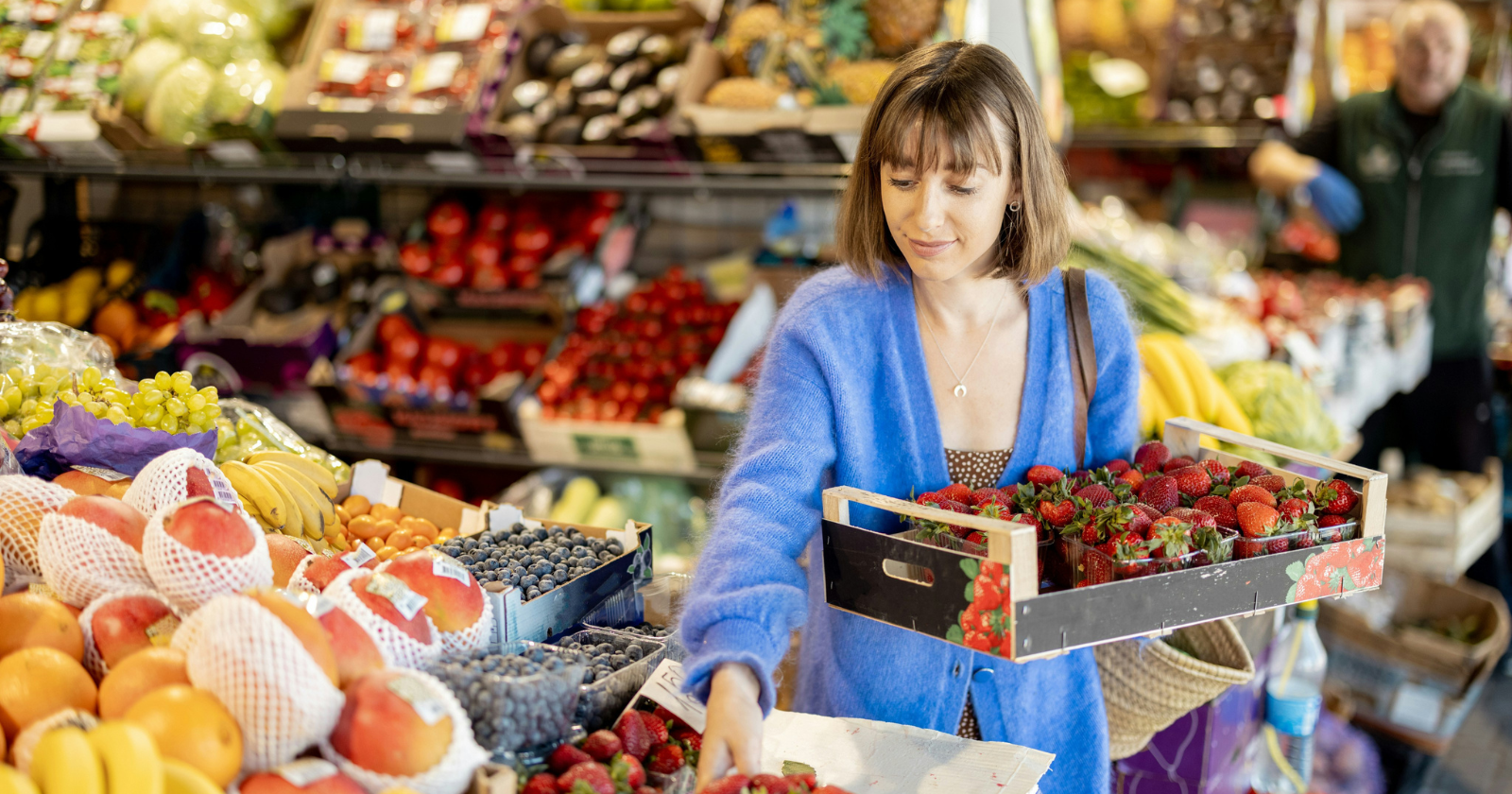
Ask someone who grew up checking the bank account how much basic items cost. Rice, beans, pasta, oats, tofu, they often know immediately.
Memorizing prices is a survival skill. It helps you detect problems before they escalate.
People who grew up comfortable notice price increases too, but they don’t store those numbers long-term. Their brains didn’t need to.
When surprises were manageable, there was no incentive to catalog costs so precisely.
For others, knowing prices brings a sense of control. It’s a quiet way of saying, I’m prepared.
6) They shop without a rigid list
Lists reveal how much flexibility someone feels they have. For some, a list is a loose suggestion rather than a rule.
Growing up comfortable often comes with permission to be spontaneous. If something looks appealing, you add it without stress.
If you grew up watching every dollar, lists act as guardrails. They prevent impulse decisions that once had real consequences.
I still feel a slight tension adding items that weren’t planned, even when my budget allows it. That tension comes from old conditioning, not current reality.
Lists aren’t about discipline alone. They’re about safety.
7) They don’t tense up at the checkout total
This moment is one of the clearest indicators. The register tells a story before anyone says a word.
Some people wait casually, chatting or scrolling their phone. Others watch the screen closely as the total climbs.
If you grew up with money anxiety, checkout is emotionally charged. It’s where planning meets reality, and there’s no buffer.
People who grew up comfortable tend to see the total as neutral information. It doesn’t trigger a physiological response.
Even when the amount is higher than expected, there’s trust that it will be handled.
8) They buy with abundance in mind
Some shoppers naturally stock up. They buy extras, backups, and items they might want later.
This behavior often comes from growing up in homes where food scarcity wasn’t an issue. There was always enough, and usually more.
If you grew up checking balances, shopping tends to be short-term. You buy what you need now, maybe a little extra if it feels safe.
Buying too much can trigger anxiety rather than comfort.
Abundance thinking feels risky when scarcity once shaped your environment.
9) They move through the store without feeling watched
This one is subtle but deeply psychological. Some people shop with a relaxed, unselfconscious presence.
Others feel faintly observed, as if every choice is being evaluated. By the cashier, by other shoppers, by some invisible authority.
That sensation often comes from growing up with financial scrutiny. When spending was monitored closely, awareness becomes habitual.
Even years later, the body remembers. You may no longer need the vigilance, but it doesn’t disappear automatically.
Comfort teaches ease. Scarcity teaches alertness.
The bottom line
Grocery stores are everyday spaces, but they’re not emotionally neutral. They quietly activate old money lessons we rarely question.
None of these behaviors are right or wrong. They’re adaptations that once made sense in the environments we grew up in.
The moment you notice them, you gain a little distance. And with distance comes choice, which is where real self-awareness begins.
If You Were a Healing Herb, Which Would You Be?
Each herb holds a unique kind of magic — soothing, awakening, grounding, or clarifying.
This 9-question quiz reveals the healing plant that mirrors your energy right now and what it says about your natural rhythm.
✨ Instant results. Deeply insightful.