Working-class boomer kitchens are built on saving everything “just in case.” But when their kids inherit the house, a lot of those items instantly become donation pile material. Here are eight.
I love my parents. Truly.
But if you’ve ever opened a working-class boomer’s kitchen cabinet, you know what I mean: it’s a time capsule of practicality, habit, and a slightly chaotic “this might come in handy one day” mindset.
These kitchens weren’t designed to be aesthetic. They were designed to work.
They fed families. They survived tight paychecks. They stretched ingredients and made “something out of nothing” like it was an Olympic sport.
And that’s exactly why, when their kids inherit the house, they’re going to donate a lot of what’s inside.
Not because they don’t care. Not because they’re ungrateful.
But because younger generations live differently. Smaller spaces. Less storage. Less patience for clutter. And more awareness that stuff can quietly become mental noise.
Let’s talk about eight kitchen items working-class boomers tend to keep, and why their kids will almost definitely clear them out the minute the keys are handed over.
1) The coffee tin full of random screws and dead batteries
Every working-class boomer kitchen has a container that’s no longer what it claims to be.
A coffee tin. A cookie tin. An old ice cream tub.
Inside is always the same chaos: Loose screws, random nails, half-used tape, dead batteries, an Allen key that belongs to nothing, and maybe a button.
Boomers keep this because it’s practical.
Why buy storage when you already have a container? Why throw away a screw when it could save a trip to the hardware store?
To them, it’s resourcefulness. To their kids, it’s clutter with sharp objects.
The next generation is more likely to buy a small organizer and label everything. Or just admit they’re not handy and call someone when the drawer falls off.
That tin will be donated, and the mystery hardware will either get tossed or dumped into a junk bag labeled “deal with later.”
2) The takeout sauce packet drawer
This is the drawer that makes you realize how seriously boomers treat “free.”
Ketchup packets. Soy sauce. Taco hot sauce. Plastic forks. Napkins. Little salt packets. Sometimes even those tiny jams from hotel breakfasts.
The logic is simple: You paid for it once, technically. You might as well keep it.
Also, working-class boomers grew up in a culture where wasting was almost a moral failure.
Saving things meant you were responsible. Prepared. Smart.
Their kids? They see a drawer full of clutter and expired condiments.
Younger generations cook with fresh sauces and global ingredients.
They buy sriracha, chili crisp, harissa, gochujang, and use them like normal.
No one’s sprinkling a 2014 soy sauce packet on anything except maybe as a joke.
That drawer gets emptied fast.
3) The mismatched plastic container cabinet with zero matching lids
If you’ve ever tried to find a lid in a boomer container cabinet, you know the rage.
It’s a chaotic pile of margarine tubs, sour cream containers, old Tupperware pieces, and lids that belong to absolutely nothing.
Boomers keep it because it saves money.
Why buy food containers when you can reuse what you already have? And honestly, that’s not a bad lesson.
Reuse is smart. But the mess is the issue.
Their kids want glass containers that stack cleanly and have matching lids.
They want a kitchen that feels organized. Not a daily scavenger hunt.
This cabinet is one of the first things to go, and the new owner will probably replace it with three neat sets of containers that look good and function properly.
4) The fancy dish set that only gets used twice a year
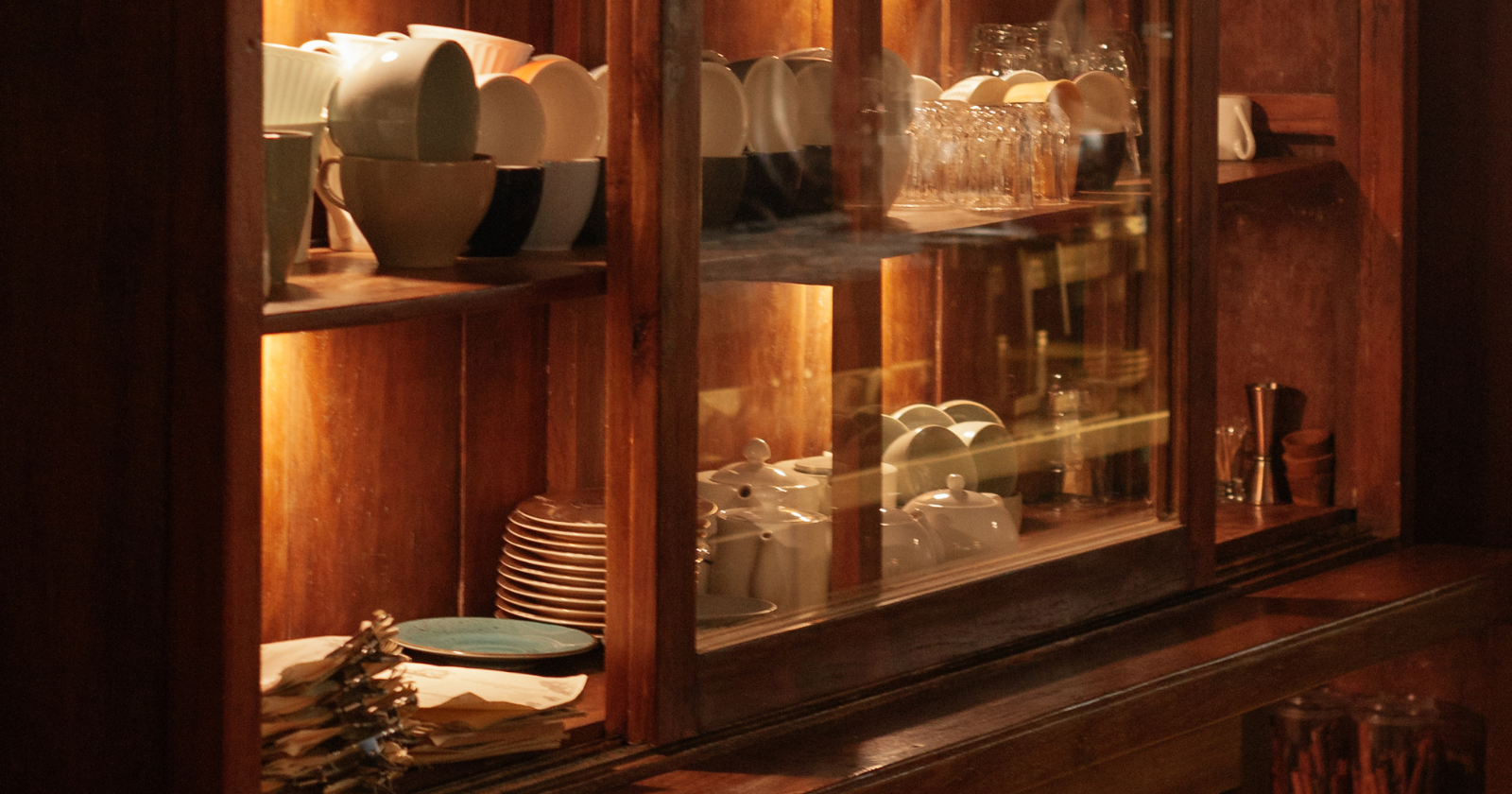
Boomers love having “the good plates.”
The kind that live in the back of a cabinet and only come out for Thanksgiving or Christmas.
Sometimes they’re fine china. Sometimes they’re just the nice plates from a department store.
Either way, they symbolize something. Pride. Effort. A sense of dignity.
For a lot of working-class families, owning “fancy dishes” was proof that you weren’t struggling.
Even if you were. But younger generations don’t live like that anymore.
They don’t want special dishes they’re afraid to use. They want everyday plates that can go in the dishwasher and survive a drop without turning into a crime scene.
Unless the dish set has strong sentimental value, it’ll probably be donated, because it takes up space and rarely fits modern life.
5) The big appliances from past “health kicks” that never stuck
Bread machines. Juicers. Ice cream makers. Electric grills. Yogurt makers. Even those bulky salad spinners that could double as gym equipment.
Boomers have these because they were sold a promise.
This appliance will save you money. It will make you healthier. It will fix your life.
They used it for a few weeks. Then it got shoved into a cabinet.
And then it stayed there for years because “it still works” and “it cost good money.”
Working-class boomers hate the idea of wasting something they paid for, even if they aren’t using it.
Their kids don’t see it as value.
They see it as a heavy object that will make moving harder.
Also, the younger generation is way more comfortable letting go.
They’ll resell. Donate. Replace. They don’t have the same emotional attachment to a $130 appliance.
The bread machine goes. The juicer goes.
The “maybe someday I’ll use it again” fantasy goes with it.
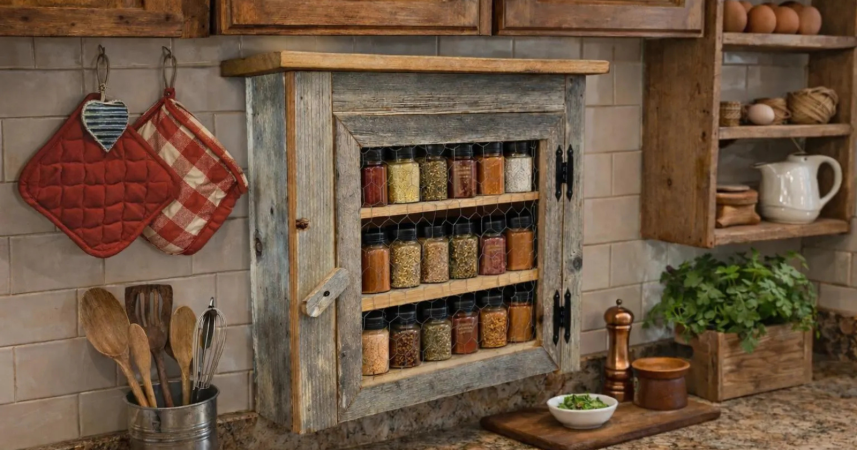
6) The spice rack full of spices older than the kids
Boomer spice racks are wild.
They have every spice imaginable, yet somehow all the food tastes like salt and pepper.
Paprika from 2003. Nutmeg that’s been opened for 20 years. A jar of cloves used once. A cinnamon bottle that smells like nothing.
Boomers tend to treat spices like they last forever.
And technically, spices don’t “go bad” in a dangerous way. They just lose potency.
But for anyone who cooks with bold flavors, old spices are pointless.
They taste like dust.
If you’ve ever made a curry with fresh cumin versus ancient cumin, you know the difference.
One makes your kitchen smell like a restaurant.
The other makes you wonder why you even bothered. The kids will toss most of it and rebuild with fresher options.
They’ll keep a smaller collection and actually use it regularly.
7) The stained recipe cards and church cookbooks
This one is the most tragic.
Working-class boomer kitchens often have a stash of handwritten recipes, community cookbooks, and stained index cards with notes like “add more butter” or “don’t overbake.”
These aren’t just recipes. They’re family history.
The problem is, younger generations don’t treat recipes like heirlooms.
They treat them like content. They save recipes digitally. They follow creators. They search “easy salmon bowl” and move on with life.
Paper feels like clutter.
And unless they really understand what they’re holding, they might donate it without thinking.
If you have parents like this, here’s my advice: Take photos of those cards now. Save the handwriting. Keep the best recipes.
Because once it’s tossed, you don’t get it back.
8) Finally, the legendary junk drawer
Every boomer kitchen has a drawer filled with items that have no category.
Rubber bands. Twist ties. Old keys. Takeout menus. A flashlight that barely works. A manual for an appliance that no longer exists. Random string. A few coins. A tiny screwdriver.
This drawer exists because boomers are prepared people.
They’ve lived through enough to know that small problems pop up. And small tools solve them. They keep everything.
Their kids won’t.
Not because it’s stupid, but because modern life has trained them differently.
If something breaks, they’ll order a new part, watch a tutorial, or replace the whole thing.
The junk drawer isn’t comforting to them. It’s stressful.
The day they inherit the kitchen, that drawer gets emptied fast.
No sorting. No nostalgia. Just one big purge.
The bottom line
A working-class boomer kitchen is more than a kitchen.
It’s a survival system.
It’s a place where nothing is wasted, everything might be useful, and every object has a purpose, even if that purpose hasn’t been relevant in 15 years.
Their kids will donate a lot of it not because they reject their parents, but because they’re trying to make the space livable for their own lives.
Less clutter. Less weight. Less stuff to manage.
Still, I think there’s something worth appreciating here.
Boomers kept these things because they were shaped by a world where money was tighter, replacement wasn’t always easy, and being prepared mattered.
If you walk into your parents’ kitchen and feel the urge to judge, pause for a second.
Ask why they kept what they kept. You might find it’s not just clutter.
It’s a story about making things work when life didn’t always make it easy.