Southern freezers can look baffling to outsiders, but every item has a reason. From frozen bread to ready made casseroles, these habits are rooted in practicality, memory, and planning ahead.
Spend enough time around people from different parts of the country and you realize pretty quickly that “normal” is wildly subjective.
What feels obvious and practical in one place can look downright strange somewhere else.
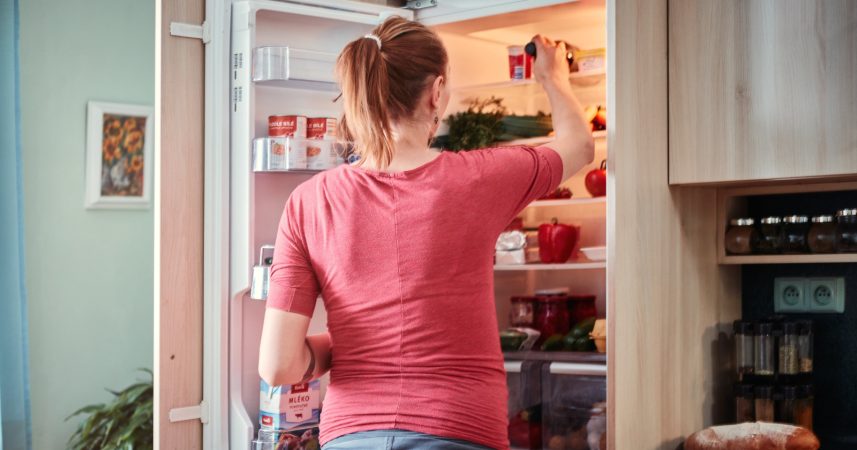
Nothing highlights this faster than opening someone else’s freezer.
I’ve spent a lot of time traveling, staying with friends, and bouncing between regions, and Southern freezers have a personality all their own.
They’re not curated, minimalist, or optimized for aesthetics. They’re functional, emotional, and deeply tied to lived experience.
To outsiders, the contents can feel confusing or even excessive. To the people who grew up with them, every frozen item has a reason.
Here are eight freezer staples that tend to leave visitors quietly staring with the door still open.
1) Loaves of bread
The first thing people usually notice is the bread. Not a loaf of bread, but several loaves of bread, sometimes stacked behind frozen vegetables or wedged next to meat wrapped in butcher paper.
To someone from another region, this feels unnecessary. Why not just buy bread when you need it?
In many Southern households, freezing bread is a simple solution to two problems at once.
Bread goes stale quickly in humid climates, and food waste has historically not been an option people were comfortable with.
There’s also a deeper habit underneath it. Grocery runs were not always quick, frequent, or guaranteed.
You bought bread when it was available or affordable, and you made it last.
Freezing bread creates a sense of security. You know breakfast, sandwiches, or unexpected guests are covered, and that peace of mind matters more than freezer space.
2) Pecans in serious bulk
If you didn’t grow up around pecan trees, this one can feel almost comical. Why does one household need what looks like enough pecans to open a small business?
In the South, pecans aren’t a garnish or a luxury topping. They’re a staple ingredient that shows up in pies, salads, stuffing, desserts, and snacks throughout the year.
Pecans are also often seasonal and local.
Someone’s neighbor has a tree. A relative brings a bag. A family harvests them once a year and suddenly has pounds to work through.
Freezing pecans keeps them fresh and prevents them from going rancid, especially when you’re dealing with large quantities. It’s not hoarding, it’s preservation.
I’ve seen pecans carefully labeled by year, double bagged, and stacked like something valuable.
In a way, they are valuable, representing time, labor, and connection to place.
3) Butter stacked like currency
Southern freezers tend to have an impressive butter situation.
Blocks of butter, sometimes wrapped again in foil or tucked inside freezer bags, lined up like inventory.
To people who use butter casually, this looks excessive. Why not just keep one or two in the fridge?
Butter freezes beautifully and lasts a long time, which makes it perfect for stocking up during sales.
When cooking and baking are central to family life, running out of butter feels like running out of gas.
This habit also reflects how Southern cooking works. A lot of traditional dishes rely on butter for flavor, texture, and structure, especially when baking for groups.
Even though I’m vegan now, I understand the psychology. I do the same thing with plant-based staples.
Knowing you won’t run out of a foundational ingredient removes friction and stress from daily life.
4) Containers of leftover gravy
This one really stops people in their tracks. Not leftovers in general, but specifically gravy.
Southern families often freeze gravy after big meals, especially holiday gatherings, Sunday dinners, or special occasions. It’s portioned into small containers and tucked away for later.
To outsiders, this feels unnecessary. Why freeze gravy when you can just make more?
Gravy takes time and attention, and it’s usually tied to meals that matter. Freezing it isn’t just about convenience, it’s about preserving something emotional.
Reheating that gravy on a random weeknight can bring back the feeling of a full table, familiar voices, and shared history. It’s comfort stored in advance.
Food preservation often doubles as emotional preservation, even if people don’t consciously frame it that way.
5) Okra already washed and sliced
Okra is already a dividing line. People either grew up with it or they didn’t, and that gap shows up fast.
Frozen okra can be even more confusing to outsiders. Why prep it ahead of time instead of dealing with it fresh?
In Southern kitchens, okra is a known quantity. People know how they like it cut, cooked, and seasoned, so they remove the hassle early.
Freezing okra preserves it outside of its growing season and turns it into an easy weeknight option instead of a chore.
It also reduces waste, which matters when produce is grown locally or gifted.
To someone unfamiliar with okra, this looks like unnecessary effort. To someone who cooks it regularly, it’s simply efficient.
6) Bacon grease saved and frozen
This is the one that tends to get the strongest reaction. Small jars, mugs, or tins filled with saved bacon grease, sometimes frozen for long term use.
In Southern cooking traditions, bacon grease has historically been treated as an ingredient, not a byproduct.
It added flavor to vegetables, beans, and breads when options were limited.
Freezing it extended its life and made sure nothing went to waste. That habit comes from times when wasting food simply wasn’t acceptable.
From a modern nutrition perspective, many people have moved away from using it, myself included.
But the presence of frozen bacon grease tells a story about resourcefulness and survival.
It reflects a mindset shaped by scarcity rather than abundance, where every part of the meal mattered.
7) Entire casseroles waiting for the right moment
Southern freezers often contain full casseroles, completely assembled but not yet baked. They sit quietly, waiting for the moment they’re needed.
These casseroles aren’t leftovers. They’re future meals prepared in advance for unpredictable life moments.
Someone gets sick. A neighbor loses a loved one. A family has a rough week. The casserole is ready.
This isn’t meal prep in a productivity sense. It’s community planning.
Having a frozen casserole means you can show up without scrambling. It’s an act of care that happens before anyone even asks for it.
8) Ice cream containers that do not contain ice cream
This might be universal, but it’s especially strong in Southern households. You open the freezer, see an ice cream tub, and feel hope.
Inside is not ice cream. It’s soup, peas, broth, or chopped vegetables.
Southern families are experts at reusing containers. Ice cream tubs are sturdy, stackable, and perfect for freezing food.
To outsiders, this feels like a small betrayal. Labels are supposed to match the contents.
But in households where nothing was wasted, containers were tools, not branding. You learned quickly to check before getting excited.
There’s something quietly grounding about this habit. It teaches patience and humility, two traits Southern kitchens tend to value.
The bottom line
Freezers tell stories long before people do. They reveal how families relate to food, time, and security.
Southern freezer habits can look strange if you didn’t grow up with them, but they’re rooted in foresight, care, and lived experience.
Once you understand that, the baffling stuff starts to feel less confusing and a lot more human.
If You Were a Healing Herb, Which Would You Be?
Each herb holds a unique kind of magic — soothing, awakening, grounding, or clarifying.
This 9-question quiz reveals the healing plant that mirrors your energy right now and what it says about your natural rhythm.
✨ Instant results. Deeply insightful.

Jordan Cooper
Jordan Cooper is a pop-culture writer and vegan-snack reviewer with roots in music blogging. Known for approachable, insightful prose, Jordan connects modern trends—from K-pop choreography to kombucha fermentation—with thoughtful food commentary. In his downtime, he enjoys photography, experimenting with fermentation recipes, and discovering new indie music playlists.
More Articles by Jordan