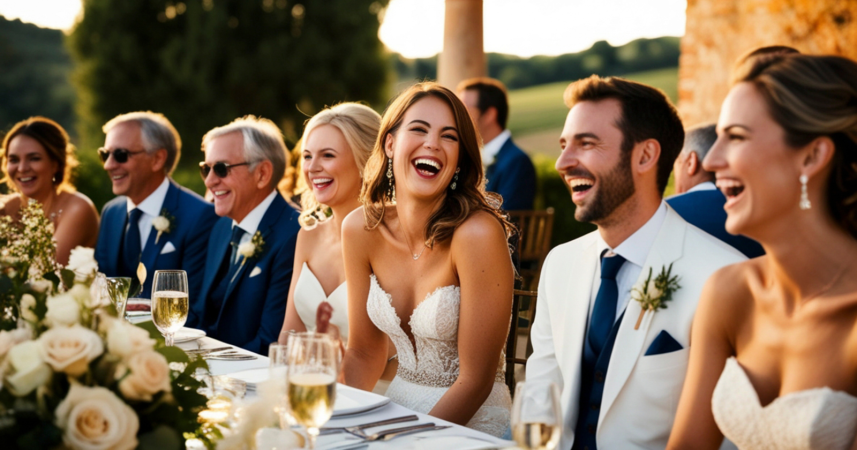
Once you see the patterns behind wedding behavior, you start to realize which moments come from genuine care and which ones are just inherited stress wearing a tux.
Weddings are fascinating little social experiments.
You put people from different backgrounds in the same room, give them champagne, emotions, and a loose schedule, and then you watch unspoken rules collide.
Most of the time, no one says anything.
But plenty is noticed.
This isn’t about shaming anyone.
It’s about awareness.
Because class differences rarely show up in the obvious places.
They show up in small behaviors, expectations, and assumptions that feel completely normal if you grew up with them.
Here are a few patterns I’ve seen over the years that quietly stand out to wealthier guests, even if they’d never bring them up.
1) Treating the wedding like a once in a lifetime financial event
Have you ever noticed how much pressure some families put on this one day?
There’s often an unspoken belief that this wedding has to be perfect because it might be the biggest, fanciest event the family ever hosts.
So no expense feels optional.
Stretching budgets feels justified.
Debt feels acceptable.
I’ve been to weddings where you could almost feel the financial anxiety humming under the surface.
Every detail mattered because this was the moment.
Wealthier families usually see weddings differently.
Not less emotionally, but less financially loaded.
It’s one important event in a long line of celebrations, trips, parties, and milestones.
That difference changes how people plan, stress, and react when something inevitably goes off script.
2) Obsessing over what guests are getting for the money
This one shows up fast.
There’s a lot of talk about value.
How good the food better be.
How much alcohol is included.
Whether guests will feel it was worth coming.
I’ve heard phrases like “They better not leave hungry” or “People will talk if the bar closes early.”
That mindset comes from scarcity.
When you don’t host often, you want proof that your spending delivered visible results.
Wealthier guests tend not to think in those terms.
They assume hospitality is a given.
They notice warmth, flow, and comfort more than portion size or drink count.
No one complains out loud.
But the fixation itself is noticeable.
3) Making the guest list a political negotiation
Who gets invited.
Who doesn’t.
Who will be offended.
In some families, the guest list becomes a high-stakes emotional battlefield.
Second cousins you haven’t seen in years.
Old family friends.
People invited out of obligation, not closeness.
I’ve mentioned this before but obligation driven decisions almost always create stress later.
Lower-middle-class families often feel pressure to include everyone because social ties double as support systems.
Excluding someone can feel like burning a bridge you might need.
Wealthier families usually feel freer to draw lines.
Smaller guest lists are socially acceptable.
No one assumes exclusion is personal.
The tension around this is subtle, but it shows in conversations and energy leading up to the day.
4) Overexplaining every choice
Why the venue was chosen.
Why it’s on a Friday.
Why the menu is simple.
Why the dress code is casual.
There’s often a running commentary explaining decisions before anyone even asks.
This comes from a fear of judgment.
A sense that choices need to be justified or defended.
Ironically, wealthy guests rarely question these things.
They assume there’s a reason and move on.
When explanations pile up, it signals insecurity, not transparency.
Again, no one calls it out.
They just notice the pattern.
5) Turning gifts into a quiet performance review
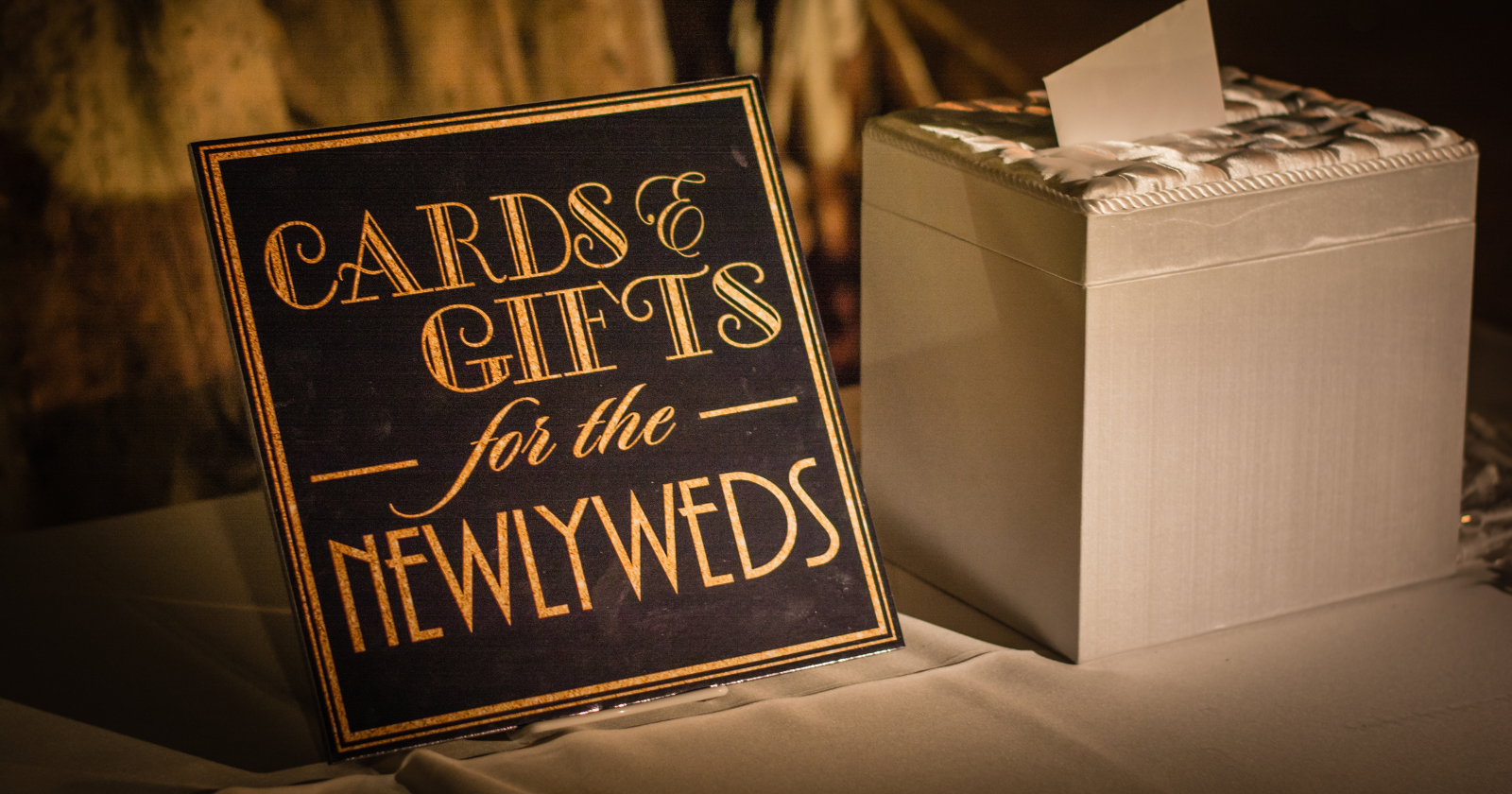 This one makes people uncomfortable, even if they don’t admit it.
There’s a lot of attention paid to who gave what.
Who was generous.
Who wasn’t.
Who covered their plate.
I’ve seen families mentally tallying gifts before the reception even ends.
Gift giving in lower-middle-class circles often carries heavier meaning because money is more emotionally charged.
A gift isn’t just a gift.
It’s respect. Support. Validation.
Wealthier guests tend to see gifts as symbolic, not transactional.
They give what feels appropriate and don’t expect it to be measured.
They absolutely notice when gifts become a topic of discussion.
They just won’t join the conversation.
6) Treating vendors like authority figures rather than collaborators
This one is subtle but real.
There’s often a sense that vendors know best and shouldn’t be questioned too much.
Timelines are followed rigidly.
Suggestions are accepted without pushback.
That deference comes from unfamiliarity.
If you don’t often hire planners, photographers, or caterers, you assume their word is final.
Wealthier families are more likely to treat vendors as collaborators.
They negotiate.
They customize.
They challenge suggestions that don’t align with their vision.
Neither approach is right or wrong.
But the difference in comfort level is obvious if you’re watching closely.
7) Letting stress leak into public moments
Weddings are emotional.
Everyone gets stressed.
But some families wear that stress openly.
Snapping at each other.
Arguing quietly but visibly.
Panicking when small things go wrong.
When money is tight, stakes feel higher.
There’s less margin for error.
One problem feels like proof that the whole thing is unraveling.
Wealthier guests tend to stay more emotionally regulated in public.
Even when things go wrong, they keep it contained.
It’s not that they care less.
They’re just practiced at managing high-cost situations without broadcasting the pressure.
8) Seeing the wedding as a social arrival moment
This might be the biggest one.
For some families, the wedding isn’t just about the couple.
It’s about being seen.
About showing they made it.
About signaling upward movement.
Better venue than expected.
Fancier details.
A sense of “look how far we’ve come.”
I get it.
Social mobility is emotional.
But wealthier guests don’t see weddings as arrival points.
They see them as markers along an already established path.
They notice when a wedding is carrying the weight of a family’s identity, pride, and progress all at once.
They respect the effort.
They just don’t frame events that way themselves.
The bottom line
None of this is about doing weddings right or wrong.
It’s about understanding how background shapes behavior, especially in emotionally charged spaces like weddings.
Most of these habits come from care, responsibility, and wanting to do right by others.
Not from ignorance or bad taste.
But awareness matters.
Because once you see these patterns, you can decide which ones actually serve you and which ones are just inherited stress wearing a tux.
And honestly, that kind of self awareness is worth more than any centerpiece.