
So the real question is not whether you are turning into the Boomers you joked about. It is what you choose to do with that awareness now.
There is a very specific kind of horror that hits you in your mid to late thirties.
It is the moment you hear something come out of your own mouth and think, “Oh no. That sounded exactly like my parents.”
You told yourself you would stay forever young, plugged in, adaptable, open.
And then life, bills, back pain, and group chats with unread messages showed up.
Here are eight moments when that hits you in the face and you realize you have quietly crossed over to the other side.
1) You find yourself saying “music today just isn’t the same”
At some point, you stop discovering new artists through playlists and stumble into a loop of the stuff you listened to in college.
Then one day a younger coworker mentions an artist with billions of streams and you have literally never heard the name.
They play a song, and instead of pretending to be cool, what comes out is, “Yeah, I guess it’s fine, but music today just is not the same.”
That is the exact sentence you heard from your dad when you tried to explain why a 00s indie band mattered more than his classic rock.
From a psychology angle, this is pure familiarity bias.
The human brain feels safest with what it already knows, so your “golden era” of music is basically just when your brain was most open and everything felt fresh.
The joke is that you became the person you rolled your eyes at in high school, insisting that your soundtrack is the last real one.
2) You start caring more about back support than aesthetics
Remember when sitting on the floor at a gig or working from a café chair for six hours felt completely fine?
Now you walk into a restaurant and your first thought is not the menu, but the chairs.
“Do these have decent backs? Is this one of those places with stools?”
The moment you pick a bar based on seat comfort instead of the vibe, you have crossed a line.
I caught myself doing this while booking a flight. I was not looking at destination photos, I was comparing seat pitches and quietly stretching my lower back while I read.
There is nothing wrong with wanting your spine to survive the night.
But this is exactly what older people did when we were younger. They would choose the boring place because “the chairs are good and you can actually hear yourself.”
Now we are those people, asking about lumbar support at live events.
3) You realize you are confused by a new app
There was a time when you were tech support for your whole family.
New phone, new app, new update, you were on it in five minutes.
Then suddenly a social platform appears that everyone under 25 seems fluent in, and you open it and feel genuinely lost.
You tap around, close it, reopen it, and then quietly decide, “This is not for me.”
If you are honest, that is exactly what your parents did with Instagram, Spotify, or mobile banking.
What is happening here is that your cognitive bandwidth is already tied up. Jobs, kids, pets, relationships, a houseplant you are trying not to kill.
Learning one more interface no longer feels exciting, it feels like work.
The realization that you are no longer the default tech native is one of the clearest “oh, this is how it happens” moments.
4) You start giving unsolicited life advice to younger people
This one sneaks up on you.
You are chatting with a younger colleague, cousin, or barista who mentions they are stressed about their career.
Without meaning to, you shift posture and something in you activates.
Suddenly you are sharing lessons about saving early, pacing your ambition, and not letting work consume your identity.
You hear yourself say, “If I could go back and tell my younger self one thing…” and your brain flashes a warning sign.
This is exactly how older relatives used to talk to you while you subtly checked your phone under the table.
To be fair, some of what you say might actually be useful. You have real experience now.
But there is a thin line between sharing perspective and accidentally turning into a walking LinkedIn post.
The moment you start delivering mini speeches, you have become the “let me give you some advice” person you once mocked.
5) You get emotionally invested in home appliances
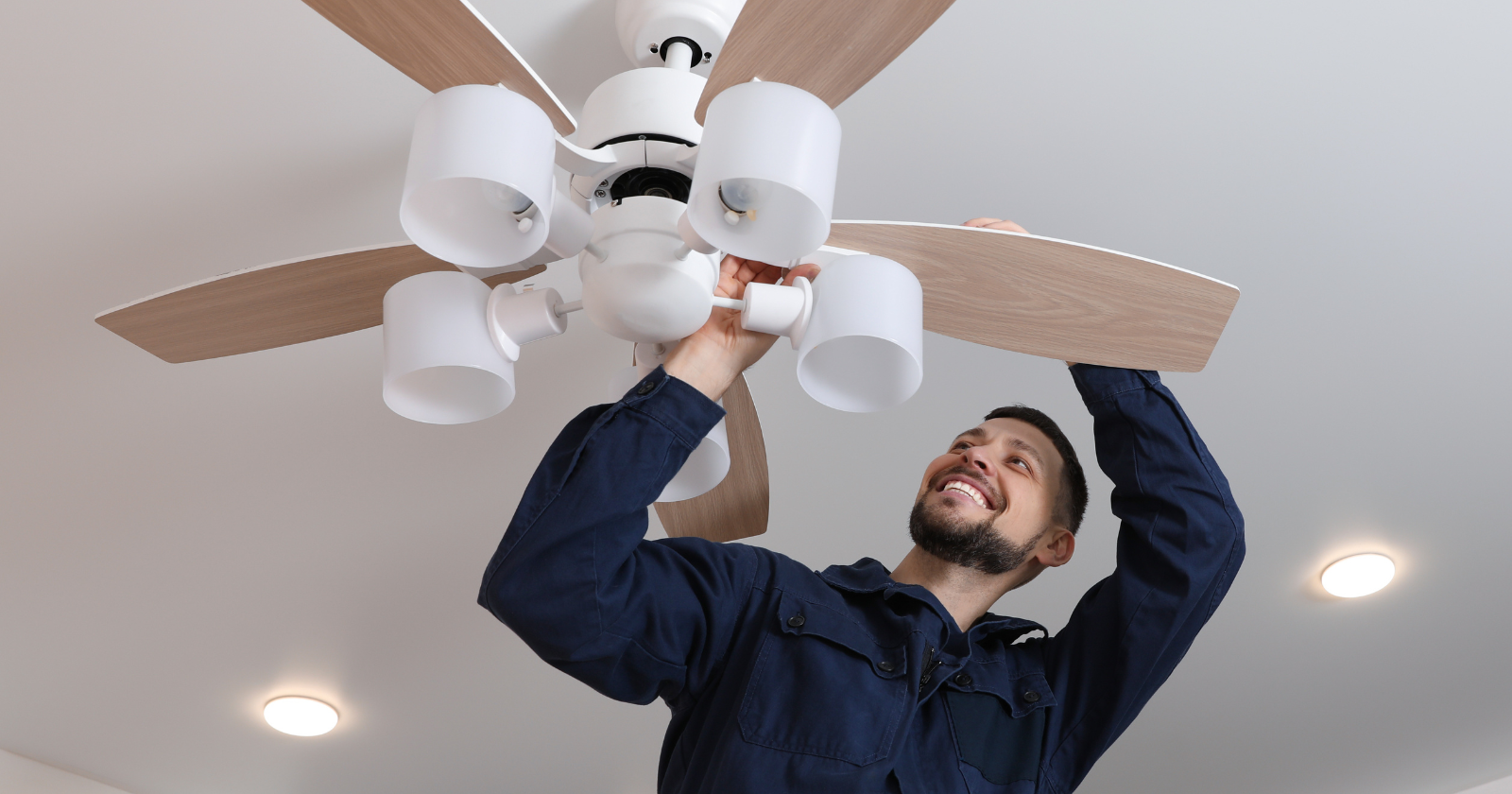
At some age, buying a vacuum, an air purifier, or a blender stops being a chore and becomes a full research project.
You read reviews. You compare models. You watch a twelve minute YouTube breakdown of motor efficiency and filtration.
Then you buy it, bring it home, and feel an unreasonable amount of satisfaction the first time it works exactly as promised.
I had this experience with a dishwasher. I caught myself calling it “a game changer” in conversation.
Teenage me would have written an angry song about that sentence.
What is really happening is that your attention has shifted from status symbols to quality of life tools.
Instead of flexing with shoes or concert tickets, you are quietly proud of a fridge that keeps vegetables crisp for longer.
This is textbook Boomer energy, wrapped in Millennial fonts and neutral color palettes.
6) You side with the neighbors about “quiet hours”
There is a loud party on your street.
Music blasting, people yelling, laughter echoing off the buildings.
At twenty two, that was an invitation. Now, it is a soundscape of sleeplessness and grumpiness.
You lie in bed and start having thoughts like, “Do they not realize some of us have to get up early?”
You consider checking the city’s noise rules. You are one step away from writing a politely annoyed email to the landlord.
Congratulations, you have become the person who cares about noise ordinances.
Underneath this is a simple shift in priorities. Sleep is no longer optional. Recovery matters. You are responsible for things in the morning.
Still, it is jarring to realize you now empathize more with the neighbor who used to knock on doors at 10 p.m. than with the people playing beer pong.
7) You get nostalgic about “how the internet used to be”
Every generation believes their version of the internet was the last real one.
Maybe you remember niche forums, fan sites, or early social platforms that felt like secret hangouts.
Now you open your phone and it is all targeted ads, short videos, and algorithmically optimized everything.
You catch yourself saying, “It was better when it was messy and weird. Before brands took over.”
That sentence is basically the digital version of “back in my day.”
From a behavioral science perspective, this is just loss aversion mixed with nostalgia.
You are not describing objective reality. You are describing a time when you felt more free, more curious, and less tired.
Still, it is another sign that you have shifted from “this is the future” to “we had it better before.”
8) You suddenly understand why your parents liked routines
At some point you realize that your ideal Saturday is not a wild night out, but a predictable mix of sleep, coffee, groceries, and a walk somewhere quiet.
You build little rituals. The same café. The same hiking trail. The same time for laundry.
Old you would have found this boring. Current you finds it grounding.
You begin to see why your parents liked going to the same restaurant, ordering the same dish, and talking to the same server.
Predictability lowers decision fatigue. The fewer minor choices you make, the more mental space you have for bigger ones.
This is exactly what I have noticed while traveling and shooting photos. Novelty is energizing, but routine is what keeps you sane when life is full.
When you realize that a consistent bedtime excites you more than a new club opening, that is the moment you understand the people you used to roast.
Conclusion
Realizing you have become what you mocked can be funny, uncomfortable, and oddly comforting all at once.
It means you have lived long enough to see the cycle from both sides.
The point is not to cling to being “young” forever or to slide into grumpy nostalgia. It is to stay self aware.
You can care about your back, your sleep, your routines, and still stay curious, compassionate, and open.
So the real question is not whether you are turning into the Boomers you joked about.
It is what you choose to do with that awareness now.
What’s Your Plant-Powered Archetype?
Ever wonder what your everyday habits say about your deeper purpose—and how they ripple out to impact the planet?
This 90-second quiz reveals the plant-powered role you’re here to play, and the tiny shift that makes it even more powerful.
12 fun questions. Instant results. Surprisingly accurate.