Scrolling Facebook can be a minefield when your parents are online. These 7 classic Boomer posts make their adult children wince every single time.
If you are a millennial or Gen Z adult, Facebook probably feels less like a social network and more like a family reunion you accidentally walked into while trying to grab your coat.
You open the app for a practical reason. Maybe to check an event. Maybe to look up a restaurant menu. Maybe because someone sent you a Marketplace link.
And then it happens.
A post from your parent that makes your neck tighten, your eyes squint, and your soul quietly whisper, “Why am I here?”
This is not about disrespecting Boomers. Most parents genuinely mean well. They are trying to connect, express themselves, or stay relevant in a digital world that moved very fast without asking their permission.
But intention does not cancel embarrassment. Especially when the embarrassment is public and archived.
I spent years in hospitality learning that delivery matters just as much as content. A great ingredient can still ruin a dish if it is served at the wrong time, in the wrong way, to the wrong audience.
Facebook works the same way.
Here are seven posts that adult children everywhere wish they could unsee.
1) Vague health updates that trigger instant panic
“Big day tomorrow. Please pray.” No explanation. No context. No follow-up.
Just a suspense-filled sentence dropped into the feed like a smoke bomb.
Now your brain is spiraling. Is this a routine appointment or a medical emergency? Do you need to call? Book a flight? Cancel meetings?
Nine comments later, relatives are speculating wildly and someone is already typing “stay strong.”
Then the update arrives twelve hours later. “All good. Just a colonoscopy.”
This is emotional clickbait.
In food terms, it is like telling someone you cooked something intense and revealing it was toast.
If it is serious, say so. If it is not, spare everyone the cortisol spike.
2) Personal drama that should have stayed private
Facebook is not a therapist. It is not a diary. And it is definitely not the place to process unresolved relationship conflict.
Yet here we are. Posts about betrayal. About being unappreciated. About people who “know what they did.”
No names mentioned, but everyone knows exactly who it is about.
As the adult child, you are now watching family business unfold in real time, complete with comment section opinions from people who last saw you at a barbecue in 2009.
I have seen posts written mid-argument. No punctuation. Lots of ellipses. Emotional typing at full volume.
Some thoughts are meant to be talked through with a trusted friend. Others belong in a journal. Facebook is a brightly lit dining room, and not every conversation belongs there.
3) Minion memes presented as life wisdom
This one causes full-body cringe.
A Minion. A gradient background. And a quote like, “I’m not rude. I’m just honest.”
Or worse, something passive aggressive disguised as empowerment.
The issue is not the meme itself. It is the confidence behind it. The belief that a cartoon character is delivering a deep philosophical truth.
It is like serving frozen appetizers on fine china and insisting it is gourmet.
I read a lot of nonfiction. Real wisdom is usually uncomfortable, nuanced, and rarely comes in bright yellow packaging.
When your parent shares one of these, it is not just embarrassing. It is a reminder that taste does not age evenly across generations.
4) Political posts that go from zero to chaos instantly

It starts innocently enough. A news link. A headline.
Then the caption escalates fast.
All caps. Strong language. Predictions of societal collapse.
The comments turn into a digital Thanksgiving dinner. Distant relatives become experts overnight. Friendships quietly combust.
For adult children, the pain comes from watching parents argue with strangers using memes they barely understand.
I am not saying people should avoid political discussion. I am saying Facebook rewards outrage the same way junk food rewards impulse. It feels satisfying in the moment and awful afterward.
Some conversations require nuance, tone, and eye contact. Facebook offers none of those things.
5) Public commentary on their kids’ lives that feels invasive
“Proud of my son even though he never calls.”
“Can’t believe my daughter is still single. Any nice men out there?”
Nothing like logging on and discovering your life update has been shared without your consent.
Parents often think this is affectionate. Sometimes it is. Other times it feels like someone opening your fridge and narrating its contents to the neighborhood.
I once saw a parent comment on their child’s photo with detailed medical information. Publicly. Casually.
In hospitality, discretion is everything. You do not announce a guest’s preferences to the entire room. You quietly accommodate them.
Adult children want that same courtesy.
Love does not require an audience.
6) Sharing fake news without a second thought
If a post begins with “They don’t want you to know this,” that is usually a clue.
Yet these posts get shared earnestly. No source. No date. Just a blurry image and a promise of hidden truth.
As someone who values learning and critical thinking, this one is especially painful to watch.
It is not about being wrong. Everyone gets things wrong. It is about stopping curiosity at the headline.
There is a difference between doing your own research and trusting the loudest font.
Watching a parent defend an obviously false claim in the comments is like watching someone insist a microwaved steak is medium rare. Public. Confident. Painful.
7) Photos that should never have been posted
Finally, the visuals. Blurry selfies taken from below. Accidental screenshots. Photos uploaded sideways for reasons no one can explain.
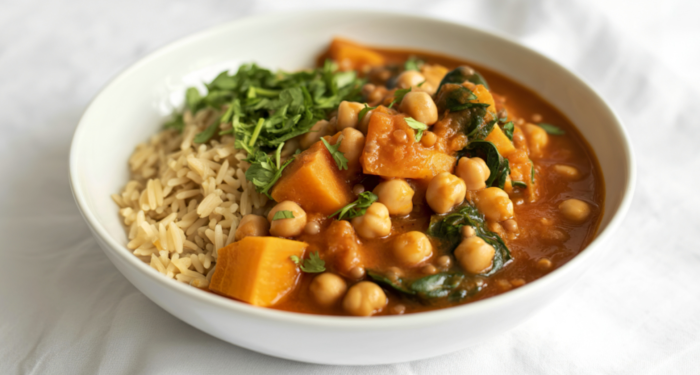
And then there are the food photos.
I love food. I have spent years appreciating presentation, texture, and balance. Facebook has taught me that not everyone shares this instinct.
Unfiltered meals. Poor lighting. Close-ups that remove all context.
Your parent proudly posts it anyway.
You scroll past quickly, hoping no one you know noticed, even though you know they did.
The intention is sweet. The execution is not.
A little editing goes a long way. Does asking whether something needs to be shared at all.
The bottom line
Most of these posts come from a good place. A desire to connect. To express. To participate.
But platforms change. Norms shift. And what feels natural to one generation can feel painfully awkward to another.
Facebook is a strange digital buffet. Everyone brings something. Not everything belongs on the same plate.
As adult children, the discomfort we feel often says more about cultural change than bad parenting. Still, it is okay to cringe. It is okay to mute. It is okay to log off and do something offline that feels grounding.
If nothing else, these posts are reminders. About boundaries. About context. About knowing your audience.
And maybe about pausing before you hit “post” and asking one simple question.
Is this better shared privately? Until next time.