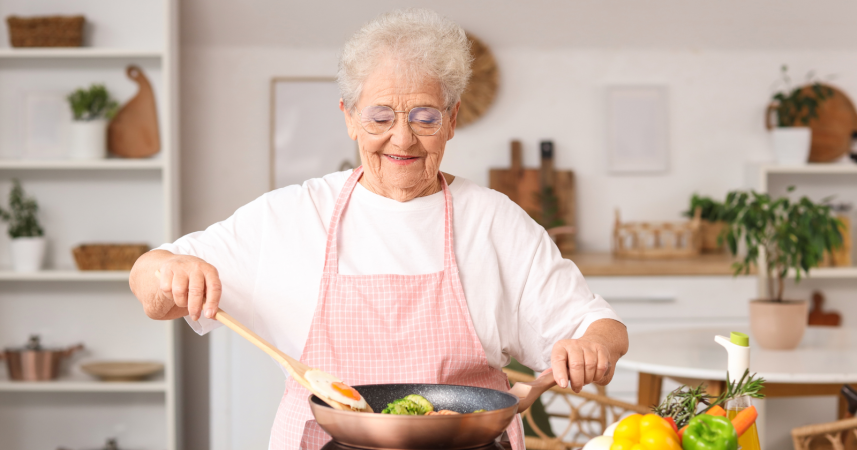
From green bean casserole to Jell-O "salads," these beloved boomer dishes have survived decades on nostalgia alone while younger generations master the art of the polite smile and strategic small portions.

Add VegOut to your Google News feed. 
Look, we need to talk about something nobody wants to discuss at the holidays.
You know that moment when your aunt proudly carries out that same casserole she's been making since 1973, and everyone at the table exchanges those quick, knowing glances? The one where the marshmallows on top have somehow crystallized into something resembling edible plastic?
Yeah, that moment. Growing up, my grandmother's Sunday roasts were the stuff of legend in our family.
Even as a kid, I noticed how certain dishes at family gatherings seemed to exist in this weird twilight zone where tradition trumped taste.
Now, after spending years in luxury F&B learning about flavor profiles and modern cooking techniques, I've finally accepted what we're all thinking but too polite to say.
Some boomer classics need to retire.
Don't get me wrong, I'm all for nostalgia!
Hell, I live in a restored 1920s bungalow and host dinner parties where I'll spend hours perfecting a classic beef Wellington.
However, there's a difference between honoring tradition and serving food that makes everyone suddenly remember they have "a really early morning tomorrow."
1) The green bean casserole that time forgot
Can we be honest about this one? When was the last time anyone got genuinely excited about canned green beans swimming in cream of mushroom soup topped with fried onions from a can?
This dish peaked sometime during the Kennedy administration and has been coasting on reputation ever since.
The beans are mushy, the sauce tastes like salt mixed with more salt, and those fried onions have the texture of cardboard that's been left out in the rain.
I once watched a friend's kid ask what the "crunchy stuff" on top was, take one bite, and immediately develop a sudden interest in helping with dishes.
That's when you know a dish has problems.
The real tragedy? Fresh green beans are amazing.
Blanched until crisp-tender, tossed with garlic and lemon, maybe some toasted almonds.
Takes the same amount of time, costs about the same, and people will actually eat it.
2) Jell-O salads that defy logic
Why are we suspending vegetables in lime-flavored gelatin and calling it a salad?
This is the dish that makes international visitors question everything they thought they knew about American cuisine.
Shredded carrots floating in orange Jell-O, cottage cheese mixed with green Jell-O and crushed pineapple, and sometimes there are marshmallows involved for reasons that defy all culinary logic.
During my classical European technique training, I learned about aspics and terrines.
Those make sense.
They're savory, elegant, purposeful but, whatever's happening with these Jell-O molds feels like someone lost a bet and we're all still paying for it fifty years later.
The worst part is watching people trying to figure out whether it goes on their dinner plate or counts as dessert.
Pro tip: When your food causes an existential crisis, it might be time to reconsider the recipe.
3) Dry turkey that requires a gravy IV
Every Thanksgiving, millions of turkeys die a second death in ovens across America, cooked until they reach the consistency of sawdust.
The boomer generation seems convinced that poultry needs to hit 185°F "just to be safe," turning what could be a juicy, flavorful centerpiece into something that requires therapeutic levels of gravy just to swallow.
I've been to gatherings where the gravy boat makes more rounds than a cocktail waitress in Vegas.
When you need that much liquid to make your protein edible, you've crossed the line from cooking into construction work.
Modern food safety guidelines say 165°F for poultry.
That's it!
Use a meat thermometer, pull it at the right temp, let it rest.
Your turkey will actually taste like turkey instead of disappointment wrapped in crispy skin.
4) Ambrosia salad that nobody asked for
Marshmallows, canned fruit cocktail, Cool Whip, and sometimes coconut all mixed together in what can only be described as a cry for help disguised as a side dish.
This is the dish that sits untouched while people navigate around it like it's radioactive.
By the end of dinner, it's developed that weird liquid separation thing where the Cool Whip starts breaking down and creating puddles of sadness at the bottom of the bowl.
A colleague once told me her family calls it "grandma's fluff," which sounds less like food and more like something you'd find under the couch.
The fact that we need euphemisms for our food should tell us something.
Want to serve fruit at dinner? Great, cut up some fresh fruit, add a honey-lime dressing if you're feeling fancy, and skip the marshmallows unless you're making s'mores.
5) Overcooked vegetables that have given up on life
Brussels sprouts boiled until they smell like sulfur, broccoli steamed into submission, and carrots cooked until they've lost all structural integrity and most of their color.
The boomer approach to vegetables seems to be "cook them until they surrender," like they're trying to punish the vegetables for some unknown crime against humanity.
During my time in fine dining, I learned that vegetables have optimal cooking points where they're tender but still have bite, color, and most importantly, flavor.
Roasting, grilling, quick sautéing; these techniques exist, and they're not complicated.
Watching someone serve gray Brussels sprouts in 2024 feels like watching someone use a rotary phone.
Sure, it technically works, but why are we doing this to ourselves?
6) Casseroles where cream of mushroom soup is a personality trait
If your recipe starts with "take three cans of cream of mushroom soup," we need to have a conversation.
This is assembly, and the result usually tastes like someone described food to someone who had never eaten food, and that person tried their best.
Tuna casserole, chicken and rice casserole, beef stroganoff casserole.
They all blur together into this beige nightmare of processed soup, overcooked pasta or rice, and protein that's been cooked twice until it has the texture of a stress ball.
The irony? Making a real cream sauce takes maybe five minutes: Butter, flour, milk or cream, and some actual seasonings.
You just need to care slightly more than opening a can.
7) Fruitcake that doubles as a doorstop
Finally, let's address the elephant in the room that's been regifted since 1987.
Nobody wants fruitcake, nobody has ever wanted fruitcake.
The fact that fruitcake jokes have been around longer than the internet should tell us everything we need to know about this dense brick of candied sadness.
It's become less of a food and more of a tradition hazing ritual: "Welcome to the family, here's your obligatory slice of fruit-embedded concrete. No, you can't leave until you take at least one bite and make appreciative noises."
I once saw someone use a fruitcake as a bookend, and it worked perfectly!
That should not be a selling point for something edible.
Final thoughts
Here's what I've learned from hosting dinner parties in my East Austin home: people want food that tastes good.
Revolutionary concept, right?
Tradition has its place, but that place isn't automatically on the dinner table just because "that's how we've always done it."
Food should bring joy, create connections, and yeah, actually be something people want to eat.
The beauty of family gatherings is in creating new memories with food that honors the past while acknowledging that we've learned a thing or two about cooking in the last fifty years.
So, maybe this year, retire that green bean casserole.
Your family might pretend to be shocked, but watch how quickly they fill their plates with something that actually tastes like food.
Because at the end of the day, the best family tradition is serving food that doesn't require a performance of fake enthusiasm.
Trust me, your family will thank you...eventually, once they stop being confused about where the Jell-O salad went!
If You Were a Healing Herb, Which Would You Be?
Each herb holds a unique kind of magic — soothing, awakening, grounding, or clarifying.
This 9-question quiz reveals the healing plant that mirrors your energy right now and what it says about your natural rhythm.
✨ Instant results. Deeply insightful.

Adam Kelton
Adam Kelton is a writer and culinary professional with deep experience in luxury food and beverage. He began his career in fine-dining restaurants and boutique hotels, training under seasoned chefs and learning classical European technique, menu development, and service precision. He later managed small kitchen teams, coordinated wine programs, and designed seasonal tasting menus that balanced creativity with consistency.
After more than a decade in hospitality, Adam transitioned into private-chef work and food consulting. His clients have included executives, wellness retreats, and lifestyle brands looking to develop flavor-forward, plant-focused menus. He has also advised on recipe testing, product launches, and brand storytelling for food and beverage startups.
At VegOut, Adam brings this experience to his writing on personal development, entrepreneurship, relationships, and food culture. He connects lessons from the kitchen with principles of growth, discipline, and self-mastery.
Outside of work, Adam enjoys strength training, exploring food scenes around the world, and reading nonfiction about psychology, leadership, and creativity. He believes that excellence in cooking and in life comes from attention to detail, curiosity, and consistent practice.
More Articles by Adam