No whining, no shortcuts—just grit that younger generations overlook.
Quiet grit rarely introduces itself. It just shows up, early and often, in the choices people make when no one’s grading them. At 60 and beyond, strength looks less like a headline and more like a routine—repeated, adaptable, stubborn in the best way.
If you want to spot the real thing, watch the habits that keep a life wide and workable. Here are eight of them.
1. They walk—on purpose
Not just kitchen laps. They go out and clock steps—rain, heat, errands, loops around the block. It’s basic, but it’s strategy: even hitting 8,000 steps on a few days each week tracks with markedly lower 10-year risks of death from any cause and from cardiovascular disease.
The older you are, the more a steady pace matters. Gait speed—how naturally fast you move—has long been tied to survival in older adults, and newer longitudinal work continues to refine that link. That unhurried, head-up stride is a whole-body health signal.
2. They keep some muscle on
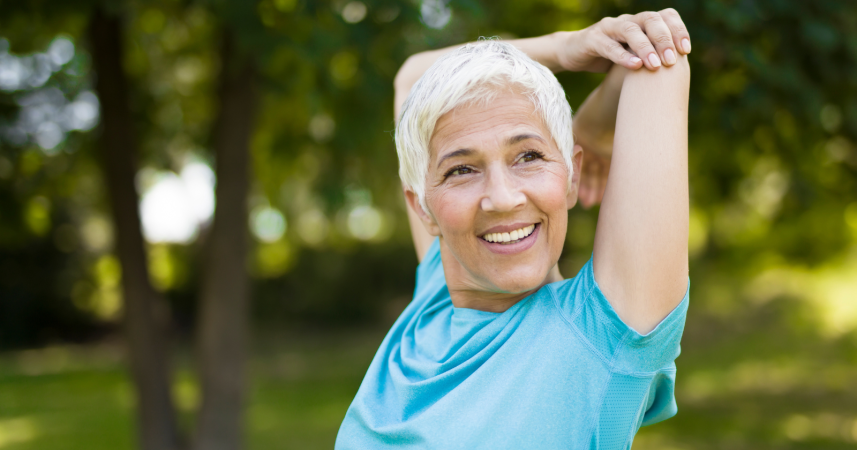
There’s no need for max lifts. The durable folks stick to unglamorous work: sit-to-stands, light dumbbells, resistance bands, balance drills. The CDC recommends both muscle-strengthening and balance activities weekly for people 65+, because they protect bones, steady gait, and keep daily life doable.
Strength after sixty isn’t vanity; it’s independence. Keep the hips, knees, and grip honest now and you’re likelier to hoist a carry-on, pick up a grandkid, and manage stairs without turning it into a production.
3. They carry their own bags and take the stairs
Functional strength hides in plain sight: loading groceries, choosing two flights over the elevator, hauling the recycling without making a speech about it. Those “little” choices train ankles, hips, core, and balance—the exact systems that make falls less likely.
Think of it as life-fit: micro-workouts woven into errands. Stack a few each day and you’re compounding capacity the same way you’d compound interest. Pair that with the CDC’s mix of strength and balance, and you blunt the slide toward frailty.
4. They keep learning—new, not just more
The tough ones don’t merely read about something; they actually learn it—language basics, watercolor, phone photography, keyboard chords. In controlled studies, older adults who learned multiple real-world skills simultaneously over three months improved working memory, attention, and functional independence, with benefits that persisted at one year.
Novelty builds cognitive scaffolding. It’s not about fluency in 12 weeks; it’s about regularly asking your brain to adapt. Swearing at a tutorial is optional; finishing it is the point.
5. They show up for other people
Volunteering, mentoring, checking on a neighbor—showing up is stamina with a heartbeat. A randomized controlled trial found that structured volunteering reduced loneliness in older adults, and the benefits held with continued participation.
Broader reviews also link volunteering in later life with better cognitive performance across several domains. Helping others, it turns out, helps the helper’s brain and mood—without needing grand gestures.
6. They get from A to B without drama
Driving less doesn’t have to shrink your world. Older adults who keep using public transport—routes, transfers, the walk to the stop—often maintain mobility and social contact longer, both tied to better health. Recent reviews point to physical and mental benefits for older riders, while noting gaps where cities can do more.
Riding the bus isn’t just frugal. It’s practice for flexibility: timing, balance, spontaneity. It keeps the radius of your life wide—and your confidence wider.
7. They guard their sleep like a passport
Eight hours isn’t a flex; it’s maintenance. Sleep quality in midlife is associated with better cognitive health years later, which makes protecting it now still worthwhile. Manage light, caffeine, and late-night screens; keep a consistent wind-down.
Also watch the environment. A systematic review and meta-analysis links long-term air-pollution exposure (think PM2.5 and NO₂) with poorer sleep in middle-aged and older adults, echoing earlier evidence. Your nightly rest is partly a clean-air story.
8. They invest in connection
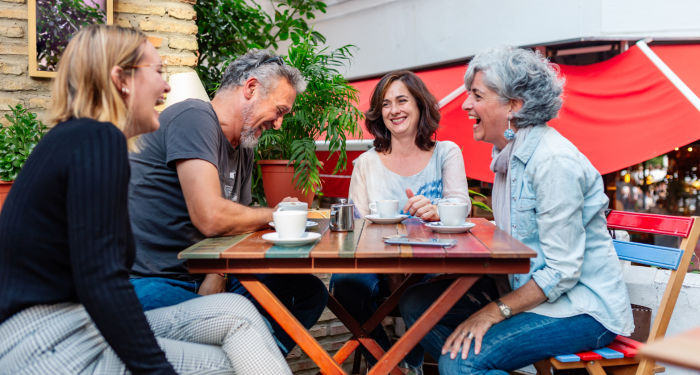
They text first, make the coffee date, join the group. Chronic social disconnection carries health risks on par with smoking. Maintaining relationships is not “nice to have”; it’s infrastructure.
If you’ve watched a sixty-something keep a book club afloat or organize rides after someone’s surgery—without fanfare—you’ve seen toughness as community care, and a powerful buffer against decline.
Final thoughts
Toughness after sixty doesn’t look like a finish-line photo. It looks like ordinary rituals repeated with almost stubborn calm: the morning loop, the light weights, the stairs instead of the elevator, the bedtime routine, the text that says “thinking of you.” None of this is flashy, and that’s exactly why it works. These are systems, not stunts—habits that trade drama for durability.
If you’re younger, this list doubles as a field guide. Start where it’s easiest this week: walk more days than not, add two sets of counter push-ups, book a beginner class you’ll actually attend, message someone first. If you’re older, audit what’s already working and add one small lever—grip work, a balance class, a bus ride with a friend. Quiet consistency won’t trend. It will, however, keep your world big and your body capable—no complaints required.
What’s Your Plant-Powered Archetype?
Ever wonder what your everyday habits say about your deeper purpose—and how they ripple out to impact the planet?
This 90-second quiz reveals the plant-powered role you’re here to play, and the tiny shift that makes it even more powerful.
12 fun questions. Instant results. Surprisingly accurate.