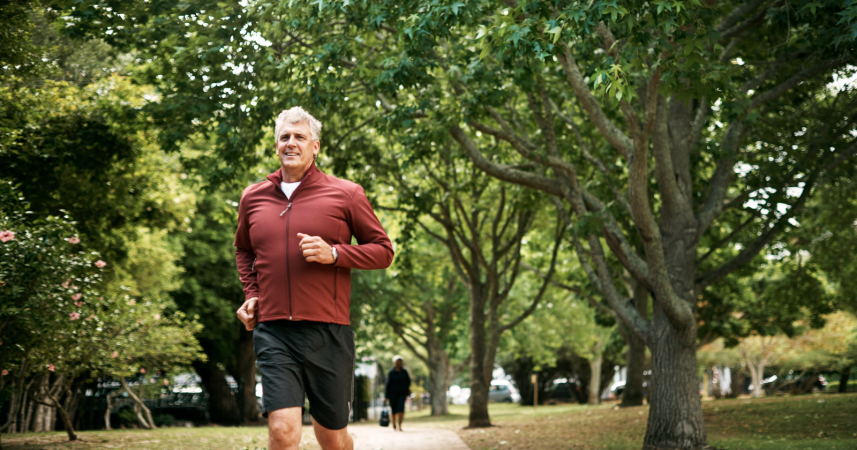
Forget the marathon medals—these everyday abilities are the real markers of healthy aging.
We've gotten aging all wrong. We obsess over wrinkles and gray hair while missing the signs that actually matter. The real indicators of aging well aren't about looking younger or running faster than people half your age. They're about maintaining the capabilities that keep you independent and engaged with life.
After 65, your body becomes remarkably honest about how well you've treated it. But here's what most people don't realize: aging well isn't about defying nature—it's about preserving function. The difference between thriving at 75 and struggling at 75 often comes down to a handful of abilities we take for granted until they're gone.
These aren't party tricks or fitness challenges. They're the mundane superpowers that healthy aging actually looks like. If you can do these six things without planning, preparing, or psyching yourself up, your body is winning the long game.
1. Get up from the floor without using your hands
This sounds simple until you watch someone struggle with it. Getting up from the floor without hand support requires a symphony of strength, balance, and flexibility that many people lose by their sixties. It's not about impressing anyone—it's about what this ability represents.
The sit-to-rise test predicts longevity better than most medical markers. People who can rise from the floor without support have significantly lower mortality rates over the next six years. Why? Because this movement requires core strength, hip flexibility, and the kind of functional fitness that translates to not falling, recovering when you do fall, and maintaining independence.
If you can still plop down to play with grandkids and spring back up without furniture assistance, you're maintaining the physical literacy that keeps you young.
2. Carry on a conversation while walking upstairs
Most people over 65 either talk or climb stairs—not both. When you have to pause mid-sentence to catch your breath on a staircase, your cardiovascular system is waving a yellow flag. But if you can chat away while ascending, your heart and lungs are performing like a much younger person's.
This dual-task ability reflects something called cardiovascular reserve—extra capacity your heart has beyond basic needs. Young bodies have plenty of reserve. Older bodies often operate closer to their limits. Being able to multitask physically means you've maintained that buffer zone.
It also suggests your brain is aging well. Doing two things simultaneously requires cognitive flexibility that often diminishes with age. If stairs don't interrupt your story about the neighbor's new dog, you're firing on all cylinders.
3. Stand on one foot while putting on your socks
This morning ritual is actually a complex neurological feat. Standing on one foot while manipulating clothing requires proprioception (knowing where your body is in space), balance, core stability, and the confidence that comes from knowing you won't topple over.
Balance deteriorates predictably with age, starting around 50 and accelerating after 60. Most people adapt by sitting down to dress or leaning against walls. But if you're still doing the morning flamingo dance without thinking about it, your vestibular system and muscle control are remarkably preserved.
This matters beyond the bedroom. Good balance predicts fewer falls, longer independence, and even cognitive health. Your ability to casually balance while dressing is a daily vote of confidence from your nervous system.
4. Remember why you walked into a room
We joke about this, but "doorway amnesia" is real and gets worse with age. Walking into a room with purpose and maintaining that purpose requires working memory—your brain's ability to hold and manipulate information while doing something else.
If you still reliably remember why you headed to the kitchen, your executive function is intact. This cognitive ability typically peaks in your twenties and gradually declines. But some people maintain sharp working memory well into their eighties and beyond.
This isn't about having a perfect memory—nobody does. It's about maintaining the mental agility to hold a thought while navigating physical space. When this ability remains automatic, your brain is successfully resisting the fog that often accompanies aging.
5. Sleep through the night without multiple bathroom trips
Nocturia—waking up to pee—becomes almost universal after 65. If you're still sleeping six to eight hours straight, your body is maintaining remarkable hydraulic efficiency. This involves multiple systems working in harmony: kidneys that concentrate urine properly, a bladder that maintains capacity, and hormones that still follow circadian rhythms.
Uninterrupted sleep becomes increasingly rare with age. Most older adults wake up two or three times nightly. But those who sleep through are getting the deep, restorative rest that maintains cognitive function, immune health, and emotional regulation.
Good sleep architecture at 65-plus suggests your body's internal clock still keeps good time—a sign of biological youth that no cream or supplement can replicate.
6. Open a new jar without tools or help
This is about grip strength, but it's really about everything. The ability to open a stubborn jar combines raw strength, joint health, pain tolerance, and the determination to persist. Grip strength specifically predicts overall mortality better than blood pressure.
When you can still wrestle with pickle jars and win, you're maintaining the functional strength that translates to carrying groceries, opening doors, and all the turning, twisting, gripping tasks that make up daily life. Weak grip strength often signals systemic decline—cardiovascular problems, sarcopenia, even cognitive decline.
If you're still the household jar-opener, you're maintaining the kind of practical power that actually matters.
Final thoughts
These abilities aren't random—they're windows into how your entire system is aging. They reflect cardiovascular health, neurological function, muscle maintenance, and the mysterious quality called vitality that some people maintain and others lose.
The beautiful thing about these markers is that they're mostly trainable. Unlike genetics or luck, balance can be improved, strength can be built, and even cognitive function can be sharpened with practice. If you can't do all six, don't despair—see it as information about where to focus your attention.
The real secret of aging well isn't about stopping the clock. It's about maintaining the abilities that let you engage fully with life. These six things aren't tests to pass or fail—they're invitations to pay attention to what your body needs to keep thriving.
If you can do all six without thinking twice, congratulations—your body is aging on its own terms. If not, consider it motivation. After all, the best time to start improving these abilities was twenty years ago. The second-best time is right now, before you need to think twice.
If You Were a Healing Herb, Which Would You Be?
Each herb holds a unique kind of magic — soothing, awakening, grounding, or clarifying.
This 9-question quiz reveals the healing plant that mirrors your energy right now and what it says about your natural rhythm.
✨ Instant results. Deeply insightful.