Some memories hit different when you realize they're unrepeatable.
My dad gets this faraway look when certain topics come up. Not sad exactly, but wistful in a way I'm learning to understand as I get older.
He's not romanticizing the past or claiming everything was better. But there's a quality to some of his memories that feels fundamentally different from anything my generation will experience. A texture of daily life that simply doesn't exist anymore.
These aren't just nostalgic moments. They're cultural artifacts from a world that operated under completely different rules.
1. Disappearing until the streetlights came on
My dad talks about leaving the house after breakfast and just vanishing into the neighborhood. No check-ins, no tracking, no parental panic.
Kids moved in packs through backyards and vacant lots, building forts and getting into trouble that stayed minor because nobody was filming. The freedom wasn't just physical. It was freedom from constant visibility, from having every moment documented or supervised.
This kind of unstructured exploration has nearly vanished. Modern kids are monitored in ways that would have felt dystopian to earlier generations.
2. Being genuinely unreachable for hours or days
There was no expectation of instant response because instant contact didn't exist. You made plans and trusted people to show up. If they didn't, you sorted it out later.
My dad remembers taking weekend trips where his parents literally couldn't reach him unless he called from a payphone. That separation created a different relationship with both freedom and responsibility. You were truly on your own in ways that required real judgment.
The anxiety we feel about being out of touch for even an hour would have seemed bizarre.
3. The Saturday morning ritual of three TV channels
This sounds quaint until you understand what it created. Every kid in the neighborhood watched the same shows at the same time because those were the only options.
Monday morning conversations had universal reference points. The shared culture wasn't curated by algorithms or fragmented into infinite niches. It was genuinely collective simply through limited choice.
My dad gets nostalgic not for the content but for that feeling of everyone being in the same cultural room, even when they weren't physically together.
4. Handwritten letters that took days to arrive
The effort required to maintain long-distance relationships was substantial. You sat down with paper and pen, chose words carefully, and waited days or weeks for response.
This friction created different communication quality. Letters got saved in shoeboxes. People reread them multiple times, mining them for subtext. The scarcity of contact made each exchange feel weighty in ways texts never capture.
My dad still has letters from friends he hasn't seen in forty years. They contain versions of those people frozen in time, preserved through deliberate writing.
5. Phone calls where the whole family gathered around
When someone called long-distance, it was an event. The family took turns talking because minutes were expensive and therefore precious.
My dad remembers conversations with his grandmother where everyone got exactly three minutes before the phone got passed. There was a performance quality to it, a sense of making the most of limited connection.
Now we can video chat for free with anyone anywhere, but we rarely organize those family huddles around the phone. The abundance killed the ritual.
6. Record stores where you discovered music by accident
You couldn't sample tracks before buying. You made choices based on album covers, counter recommendations, or pure gamble. This meant regularly bringing home music that surprised or disappointed you.
But that randomness created musical education through exploration rather than algorithmic precision. My dad has albums he bought by mistake that shaped his taste entirely. The errors were actually features.
While we access infinitely more music now, we listen more narrowly because algorithms optimize for existing preferences.
7. Developing film and waiting to see if you got the shot
Photography required planning because film was finite and expensive. You had 24 or 36 chances, then days of waiting to see results.
My dad talks about the genuine suspense of picking up developed photos. Sometimes entire vacations were shot with the lens cap on. Wedding photos turned out blurry. You lived with mistakes because there was no redo.
The constraint made people more deliberate about what they photographed. Every shot carried weight because waste had consequences. Now we take thousands of photos and examine none of them closely.
8. Cash exchanges with no digital footprint
Money existed as physical objects moving hand to hand. Teenagers could earn and spend without parents tracking every transaction through banking apps.
This created privacy around financial decisions that feels almost subversive now. My dad worked odd jobs and spent the money however he wanted because once cash left his hand, it became untraceable.
The transparency of modern digital transactions offers convenience but eliminates a layer of autonomy that used to exist between financial choices and parental awareness.
9. Snow days that meant actual disconnection from school
When weather shut down schools, you were genuinely free until classes resumed. No Zoom meetings, no emailed assignments, no expectation that learning would continue remotely.
My dad remembers the pure gift of unexpected time when the world just stopped and nobody could do anything about it. Those days existed outside normal rules. Kids played knowing tomorrow would sort itself out.
The pandemic taught us that snow days can become remote learning days. We eliminated the last refuge of forced idleness, and something got lost in that efficiency.
Final thoughts
These moments carry emotional weight because they represent more than just "the way things used to be." They document a fundamentally different relationship with time, space, privacy, and connection.
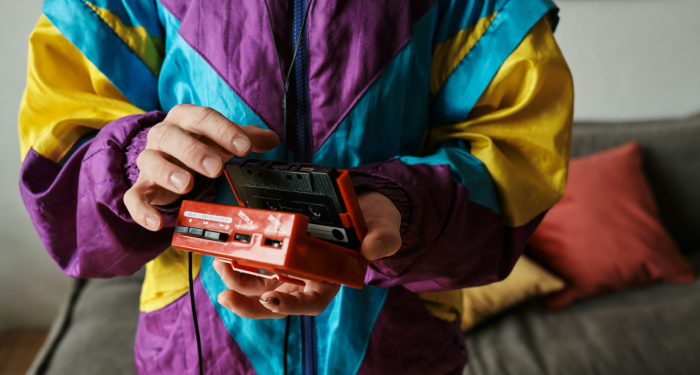
My dad isn't crying over rotary phones or cassette tapes. He's processing the disappearance of a certain friction that forced people to be more present, more patient, more committed to the moments they were living in.
The convenience we've gained is real. But what boomers mourn isn't just nostalgia. It's recognizing that entire categories of human experience have been optimized out of existence. You can't miss what you never had, which is why these memories only resonate with people who lived them.