The psychology behind loving animals while eating meat isn't about hypocrisy—it's about being human.
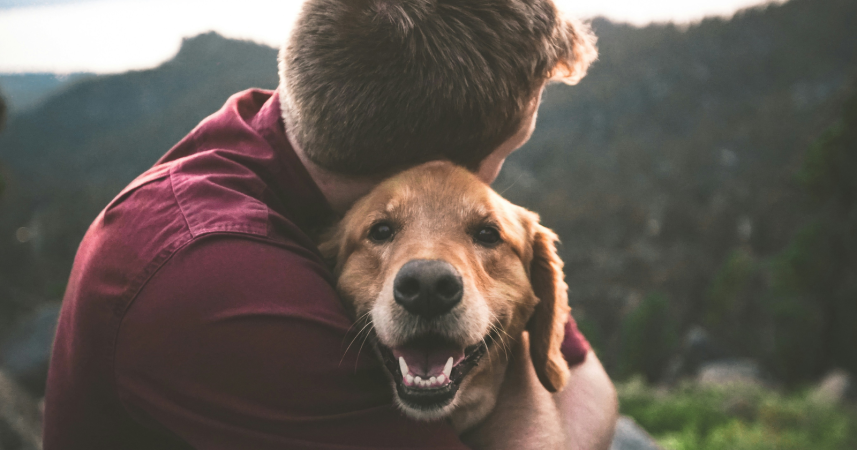
My neighbor Sarah fosters rescue dogs. Her Instagram is a stream of recovery stories—mangy strays transformed into beloved pets. She's spent thousands on vet bills for animals she'll never keep. Last week, I watched her share a bacon cheeseburger with her latest foster, both of them equally delighted with their meal. The dog got plain burger. Sarah didn't seem to notice she was feeding one rescued animal parts of another.
This isn't a story about hypocrisy. Sarah's love for animals is genuine—I've seen her cry over dogs she's had to put down, seen her reorganize her entire life around a traumatized pit bull's needs. This is a story about something more interesting: how human brains perform the remarkable feat of holding contradictory truths without breaking. Most people who eat meat genuinely love animals. Understanding why requires looking at how we think, not what we think.
The compartmentalization that keeps us sane
Psychologists call it cognitive dissonance reduction—our minds' elegant solution to holding incompatible beliefs. We don't see a pig when we see bacon. We've created linguistic distances (beef, not cow; pork, not pig) and mental categories (pets versus food) that allow us to love some animals while eating others without experiencing psychological distress.
Watch how quickly people correct you if you call meat what it is. "I'm eating chicken" sounds normal. "I'm eating a chicken" makes people uncomfortable. That single article—"a"—transforms food back into an individual, and our brains resist that transformation. We've built elaborate psychological structures to maintain these separate categories. It's not denial exactly—it's more sophisticated than that. It's selective attention, carefully cultivated blind spots that allow us to function without constant moral crisis.
The weight of inherited eating patterns
I've observed how food habits pass through families like heirlooms, unexamined and unquestioned. Your grandmother's pot roast recipe carries more than flavor—it carries belonging, tradition, the weight of every family gathering where it appeared. Rejecting meat can feel like rejecting your lineage, your culture, the meals that meant love in your childhood home.
A friend once told me she tried going vegetarian but stopped when her Italian father looked at her untouched osso buco with such hurt that she took a bite just to ease his pain. She wasn't choosing meat; she was choosing connection. Food is how many families say "I love you" without words. When that language is built around animal products, changing your diet feels like changing your native tongue—possible, but requiring constant translation, leaving you foreign in your own family.
The paradox of proximity
Here's what fascinates me: the very people who love animals most might be least likely to go vegan. They've already found their way to help—volunteering at shelters, fostering, donating to wildlife causes. Their animal advocacy identity is established. Going vegan would mean admitting their current love is insufficient, that their rescue work doesn't absolve their dinner choices.
I've watched this play out at animal shelters where volunteers bond over barbecue fundraisers, at wildlife rehabilitation centers serving chicken salad lunches. The people doing the most direct good for animals often seem most resistant to examining their diet. It's as if their proximity to animal suffering in one area creates blindness to it in another. They've already placed themselves on the right side of the moral ledger—suggesting they need to do more feels like moving the goalposts.
The social cost calculation we pretend doesn't exist
Nobody admits it, but the social cost of veganism is real and most people, consciously or not, deem it too high. I've watched veganism transform people into problems at every social gathering—the friend whose dietary needs complicate restaurant choices, the relative who makes Thanksgiving political, the date who turns dinner into a moral philosophy debate.
Humans are social animals. We need belonging more than we need moral consistency. Watch someone try to be vegan for a month—the friction isn't primarily about missing cheese. It's about the micro-rejections, the eye rolls, the suddenly complicated logistics of every shared meal. It's easier to love animals quietly, privately, without making your compassion anyone else's inconvenience. The path of least social resistance rarely leads to veganism.
The overwhelm of imperfect choices
Modern life presents us with endless moral calculations. The chocolate might be fair trade but wrapped in plastic. The quinoa is plant-based but its popularity displaced indigenous farmers. The local eggs seem humane but the definition of "free-range" is suspect. Even veganism isn't morally clean—those vegetables require pesticides that kill insects, transport that burns fossil fuels, harvesting that displaces wildlife.
When every choice carries moral weight, many people simply stop choosing. I've watched friends approach veganism, research it thoroughly, then retreat into decision paralysis. If you can't be perfectly ethical, why change at all? The impossibility of purity becomes permission for inaction. Loving animals while eating them feels no more contradictory than driving a car while caring about climate change. Everything is compromised; might as well choose the compromise that tastes familiar.
The mythology of humane meat
The fastest-growing segment of the meat market isn't conventional—it's "humane," "grass-fed," "pasture-raised." These labels let consumers have it both ways: eating animals while believing they're supporting animal welfare. I've watched people pay triple for "happy" meat, convinced they've found the ethical loophole.
This isn't exactly self-deception. These consumers often genuinely care about animal suffering and believe they're making the compassionate choice within a framework that still includes meat. They've created a story where eating animals is acceptable if those animals lived well first. It's a compelling narrative—death as part of a natural cycle rather than industrial process. That this story requires not thinking too hard about the "humane" slaughter of animals who don't want to die is a detail the brain diplomatically ignores.
Final thoughts
The gap between loving animals and eating them isn't about lacking compassion or intelligence. I've seen brilliant, kind people perform mental gymnastics to maintain this contradiction. It's about being human in a culture that makes veganism feel like swimming upstream while everyone else is floating along with the current.
What strikes me most is how much energy people spend managing this contradiction. The careful mental categories, the selected blindness, the elaborate justifications—it's exhausting to maintain. Sarah, with her foster dogs and bacon burgers, isn't unusual. She's typical, navigating the space between values and actions with the tools available to her: compartmentalization, tradition, social belonging, the comfort of imperfect choices.
The question isn't why people who love animals don't go vegan. The question is how anyone manages to align those values with their actions in a world designed to keep them separate. Those who do aren't necessarily more moral—they might just be more willing to bear the social cost, to sit with discomfort, to choose alignment over belonging.
Most people choose belonging. And honestly, understanding why makes me more curious about human nature, not less. We're social creatures first, moral philosophers second. The tragedy isn't that we're hypocrites. It's that we're human, and being human means living with contradictions that would break us if we looked at them too directly. So we don't look. We feed our foster dogs and eat our burgers and love animals the best way we know how—imperfectly, inconsistently, genuinely.
What’s Your Plant-Powered Archetype?
Ever wonder what your everyday habits say about your deeper purpose—and how they ripple out to impact the planet?
This 90-second quiz reveals the plant-powered role you’re here to play, and the tiny shift that makes it even more powerful.
12 fun questions. Instant results. Surprisingly accurate.