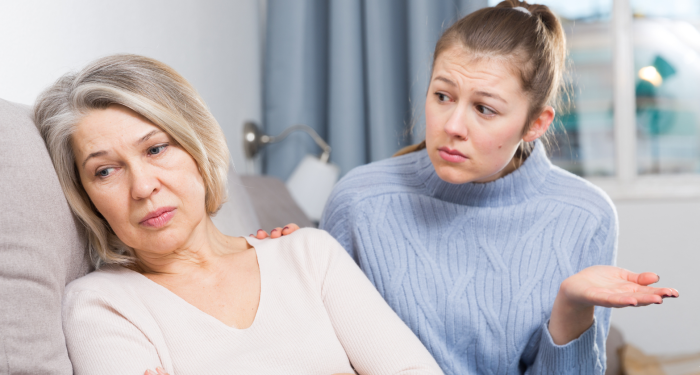
When each generation has constructed a completely different nightmare about the end of life

Add VegOut to your Google News feed. 
Three months later, I watched a TikTok where a 22-year-old joked about climate change making death feel inevitable before 50. The comments weren't horrified. They replied with crying-laughing emojis.
The gap between these moments wouldn't let me go. So I started asking people across generations a simple question: What actually scares you about dying?
What Boomers actually fear
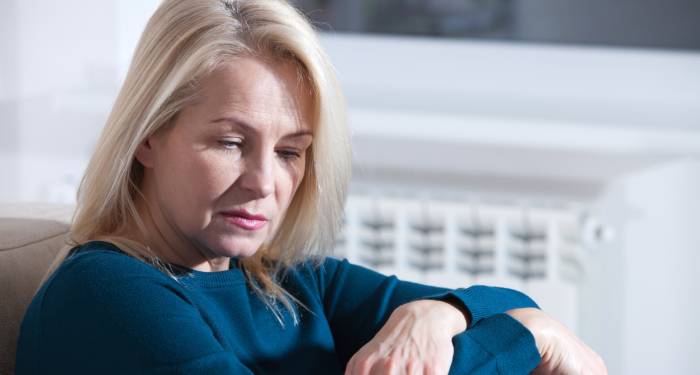
The Boomers I spoke with rarely said the word "death." They said "decline."
"I don't want to be a burden," one 67-year-old told me. She'd watched her mother spend five years in a nursing home, gradually losing recognition of her children. "If I get dementia, just... don't let me linger like that."
This fear surfaced repeatedly. Loss of identity through cognitive decline terrified Boomers more than death itself. They'd seen their parents deteriorate through Alzheimer's and Parkinson's, spending years as hollowed-out versions of themselves.
A 61-year-old man told me he'd pre-planned his funeral down to the playlist. "I want control over this one last thing." Control emerged as the pattern. They wanted to decide when and how, to avoid the prolonged medical interventions that had kept their parents alive but not living.
Gen X quietly panics about logistics
Gen X arrived at these conversations with spreadsheets.
A 49-year-old mother of three told me her biggest fear was dying without proper documentation. "My kids discovering I have no will, no locatable life insurance policy, passwords scattered across fifteen different apps." She laughed. It wasn't funny.
Gen X fears centered on leaving chaos behind. They'd become the sandwich generation, caring for aging parents while raising kids, witnessing firsthand what happens when someone dies unprepared. Bank accounts nobody can access. Important documents vanished. Family arguments over items with sentimental weight but no monetary value.
"I'm more scared of my family fighting at my funeral than being dead," a 52-year-old said. Gen X wasn't philosophical about death. They were pragmatic, worried about the mess they'd leave behind.
Millennials fear dying with unlived potential
My generation carried a different nightmare.
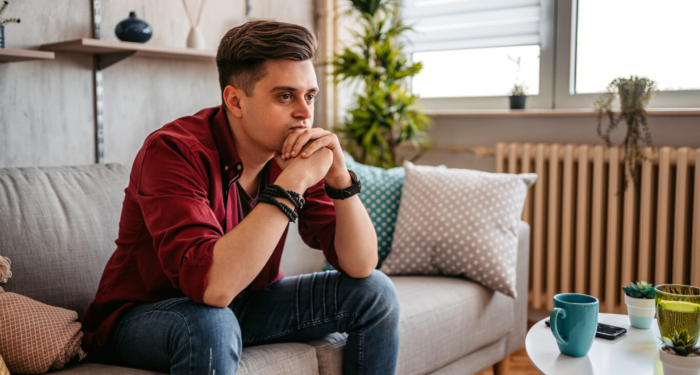
A 34-year-old designer told me: "I'm scared I'll die before I've actually started living." She'd spent her twenties buried in student debt, her early thirties chasing a down payment. The life she'd imagined kept receding.
Millennials weren't afraid of the dying process. They were afraid of time running out before experiencing what they'd been promised. Bucket lists and financial planning consumed their death anxiety. They made wills not because they expected to die soon, but because economic uncertainty made every year feel borrowed.
Climate change shadowed these conversations. A 31-year-old said it plainly: "I'm scared my generation will die in some climate disaster we saw coming but were too broke to escape." The fear wasn't abstract. It lived in the footage of California burning, Houston flooding, and the knowledge that their generation would face the worst of it.
Gen Z treats death like an old friend
The youngest respondents surprised me most.
A 23-year-old barista said: "Honestly? I'm not scared of dying. I'm scared of how I'll die." She scrolled through her phone, showing me articles about school shootings, police violence, climate catastrophes. Gen Z had grown up watching death stream live.
They joked about death constantly. Dark humor saturated their conversations. But underneath the memes lived something more complicated. Research shows Gen Z approaches death with more openness than previous generations, yet 75% said they wouldn't be satisfied dying tomorrow.
Their fear centered on inequality in death. "Rich people get to die peacefully in their beds," a 20-year-old student told me. "The rest of us get to die in debt or in some mass casualty event." Gen Z had watched their parents lose homes in 2008, graduate into a pandemic, inherit a planet on fire. Death felt less like an eventual fate and more like a present possibility.
What the differences reveal
These generational splits aren't random. They're shaped by what each group has witnessed.
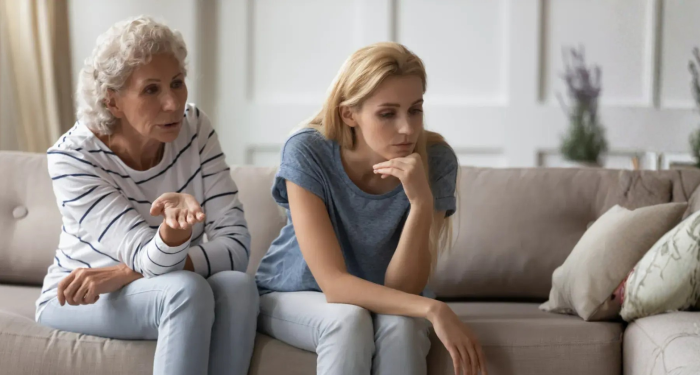
Boomers fear losing themselves because they watched it happen to their parents. Gen X fears chaos because they're juggling everyone's needs but their own. Millennials fear wasted potential because they've spent adulthood postponing life. Gen Z fears the manner of death because they've seen too many bad ones, too young, in high definition.
None of these fears exist in isolation. A 28-year-old might share Gen Z's dark humor while carrying Millennial anxiety about unlived potential. A 55-year-old might obsess over Gen X planning while dreading Boomer-style cognitive decline.
Final thoughts
The most striking pattern wasn't the differences but what everyone avoided saying directly: we're all scared of dying badly.
Each generation has constructed their particular nightmare based on what they've seen. But the underlying fear remains constant. Not death itself, but the loss of control over how it happens.
Maybe that's why younger generations are more willing to discuss death openly. They've learned that silence doesn't shrink the fear. It just means facing it alone. And that solitude in the face of mortality might be the one terror that transcends generation, economics, and circumstance.
If You Were a Healing Herb, Which Would You Be?
Each herb holds a unique kind of magic — soothing, awakening, grounding, or clarifying.
This 9-question quiz reveals the healing plant that mirrors your energy right now and what it says about your natural rhythm.
✨ Instant results. Deeply insightful.

Jordan Cooper
Jordan Cooper is a pop-culture writer and vegan-snack reviewer with roots in music blogging. Known for approachable, insightful prose, Jordan connects modern trends—from K-pop choreography to kombucha fermentation—with thoughtful food commentary. In his downtime, he enjoys photography, experimenting with fermentation recipes, and discovering new indie music playlists.
More Articles by Jordan