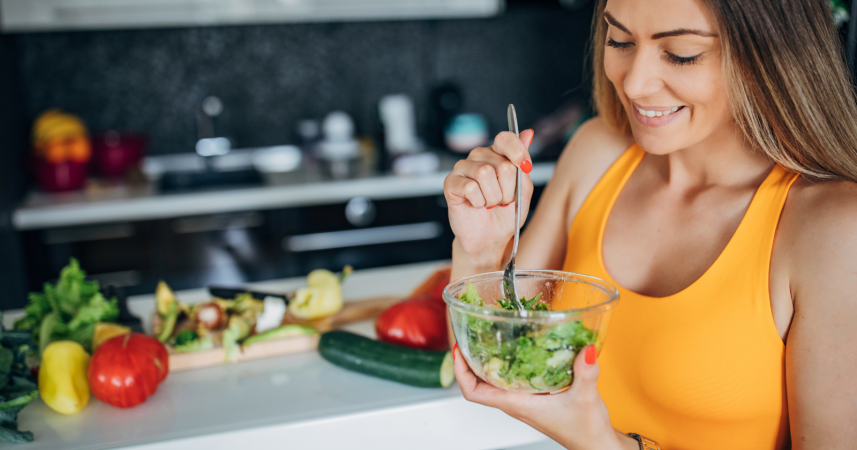
Loving veggies as an adult doesn't happen by accident, it usually starts with these surprisingly specific moments from your early years.
Most people who genuinely love vegetables today aren't just forcing themselves to eat healthy. There's usually a pattern to how that appreciation developed, and it often traces back to some pretty specific childhood experiences.
If you're someone who gets excited about a good Brussels sprout or actually craves salad, you probably recognize at least a few of these moments from your own past.
1. You had access to a garden, even a tiny one
Whether it was a backyard plot, a community garden, or even just tomatoes on a balcony, you got to see vegetables as living things before they became food. There's something about pulling a carrot from the dirt or picking a warm tomato off the vine that completely changes your relationship with produce.
Kids who grow food tend to eat food.
The behavioral science here is pretty straightforward: we value things more when we participate in creating them. Plus, garden vegetables actually taste different than store-bought ones, so your baseline for what a vegetable should taste like got set pretty high early on.
2. Someone let you play with your food in strategic ways
You weren't just told to eat your vegetables. Someone let you arrange broccoli into trees, make faces with pepper slices, or build structures with celery sticks. This sounds silly, but it's actually brilliant psychology.
When vegetables become toys before they become obligations, your brain files them under "fun" instead of "chore." You got to interact with produce in a low-pressure way that built familiarity and comfort.
By the time eating them became the goal, they were already your friends, not your enemies.
3. You saw adults genuinely enjoying vegetables, not just tolerating them
This one's huge. You had at least one adult in your life who actually got excited about vegetables, who said things like "oh good, Brussels sprouts!" with real enthusiasm. Kids are incredibly good at detecting fake excitement, so this had to be genuine.
When you see someone you respect treating vegetables like a treat rather than medicine, it completely reframes what's possible. You learned early that loving vegetables was a normal, desirable way to be. That modeling matters way more than any lecture about nutrition ever could.
4. You were exposed to vegetables prepared multiple ways
You didn't just meet carrots once, boiled into submission. You met them raw, roasted, shredded in slaw, glazed, in soup, and maybe even in cake. This variety taught you that vegetables aren't a monolith.
A lot of people who hate vegetables actually just hate one or two preparation methods that got repeated endlessly in their childhood. You learned that if you didn't like steamed broccoli, maybe you'd love it roasted with garlic. That flexibility and experimentation became part of how you approach food in general.
5. Vegetables weren't used as punishment or reward
Nobody ever told you that you couldn't have dessert unless you finished your vegetables. That transactional approach teaches kids that vegetables are the obstacle between them and real food, which is exactly backward.
In your house, vegetables just existed as part of meals without drama or negotiation. They weren't positioned as the thing you had to suffer through, so you never developed that adversarial relationship. Food was just food, and some of it happened to be green.
6. You had some control over which vegetables appeared on your plate
Maybe you got to pick at the farmer's market, or choose between two vegetable options at dinner, or request specific produce at the store. That sense of agency matters enormously for kids.
When you have zero control over what appears in front of you, resistance is a natural response. But when you're part of the decision-making process, you're way more invested in the outcome.
You learned early that you had preferences about vegetables, not just a blanket acceptance or rejection of the entire category.
7. You weren't pressured to like everything immediately
Someone understood that taste buds develop over time and that it's totally normal to need multiple exposures to a new food before accepting it. You were allowed to try things, decide they weren't for you yet, and come back to them later without judgment.
Research shows kids often need to try something 10-15 times before they'll accept it. If you were shamed or pressured after the first "no thanks," you probably would have dug in harder. Instead, you got the space to develop your palate at your own pace, which paradoxically made you more adventurous.
8. Fresh vegetables were treated as normal, accessible food, not special occasion items
Produce appeared regularly in your house, not just when someone was on a health kick or trying to impress guests. This normalized vegetables as everyday food rather than something exotic or intimidating.
You also probably had access to fresh vegetables that actually tasted good, which is partly about privilege and geography. But it's also about someone prioritizing that access, shopping regularly, and keeping produce visible and available.
When fresh vegetables are just around, you eat them. When they're a special trip or a big production, they become occasional at best.
Final thoughts
Not everyone had all eight of these experiences, and plenty of people learn to love vegetables as adults through different paths.
But if you're someone who genuinely enjoys eating plants, there's a good chance your childhood set you up for success in ways you might not have fully appreciated until now.