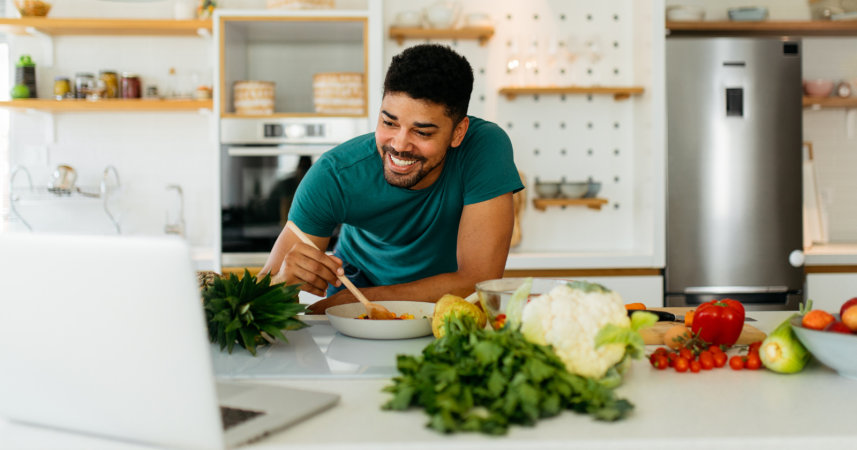
What happened when I went from occasional veggie burger to full-on plant power for a month shocked both me and my physician.
Look, I'm not going to pretend I was living on bacon cheeseburgers before this experiment.
But I wasn't exactly meal-prepping quinoa bowls either. I was your standard California flexitarian who ate plant-based maybe three days a week and felt pretty good about it.
Then my annual physical came back with some numbers that made me pause. Nothing catastrophic, but my cholesterol was creeping up and my energy levels had been tanking around 3pm like clockwork. My doctor suggested trying a mostly plant-based diet for 30 days.
I'm a data nerd, so I went all in with tracking apps, blood work, and daily notes. What happened next genuinely surprised both of us.
1. My cholesterol dropped 32 points in four weeks
When I went back for follow-up bloodwork, my doctor literally asked if I'd started taking medication without telling her. My LDL cholesterol went from 142 to 110 in 30 days. That's the kind of drop people usually see after months on statins.
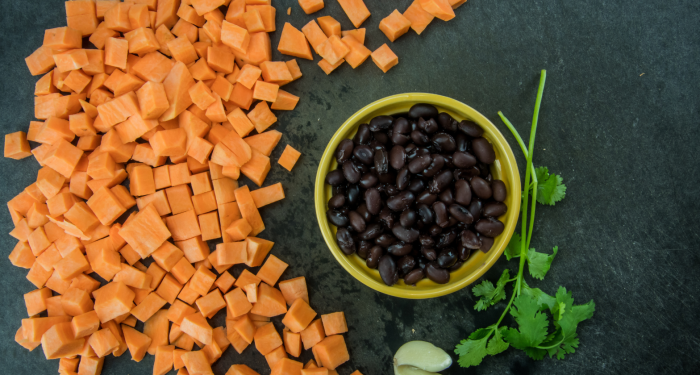
The science here is pretty straightforward. Plant foods have zero dietary cholesterol, and the fiber in beans, oats, and vegetables actually helps your body flush out excess cholesterol. I was eating a lot of oatmeal with berries for breakfast and black bean bowls for lunch.
My HDL (the good cholesterol) stayed stable, which is exactly what you want. The ratio improved significantly, and my doctor admitted she rarely sees this kind of movement from diet alone in such a short window.
2. I stopped needing my 3 pm coffee like it was a life support system
This was the change I noticed first, around day 12. That afternoon crash I'd been blaming on meetings and screen time just vanished. I'd been drinking two or three coffees a day to compensate. By week three, I was down to one morning cup.
Turns out, the blood sugar rollercoaster from my previous diet (hello, leftover pizza lunches) was creating these energy valleys. Plant-based meals with lots of fiber keep your blood sugar steady. No spikes, no crashes.
I started having lentil soups and chickpea salads for lunch instead of whatever was easiest. The sustained energy felt like I'd unlocked a cheat code. My Whoop band data showed my recovery scores improving too, which tracks with better sleep quality.
3. My skin cleared up in ways my dermatologist couldn't explain
I'm in my 40s. I'd accepted that occasional breakouts were just part of life now, maybe stress-related or hormonal.
Three weeks into eating mostly plants, my skin looked better than it had in years. Clearer, less redness, more even tone.
My dermatologist was genuinely puzzled during my regular appointment. We'd tried different products over the years with minimal success. The only variable that changed was my diet. She mentioned that dairy and high-glycemic foods can trigger inflammation and breakouts in some people.
I'd cut out cheese and yogurt as part of the experiment. Apparently my skin had opinions about dairy that my taste buds were overruling for years. The glow-up was real, and I wasn't even using any new products.
4. I lost 9 pounds without counting a single calorie
I wasn't trying to lose weight. I was eating until I felt full at every meal.
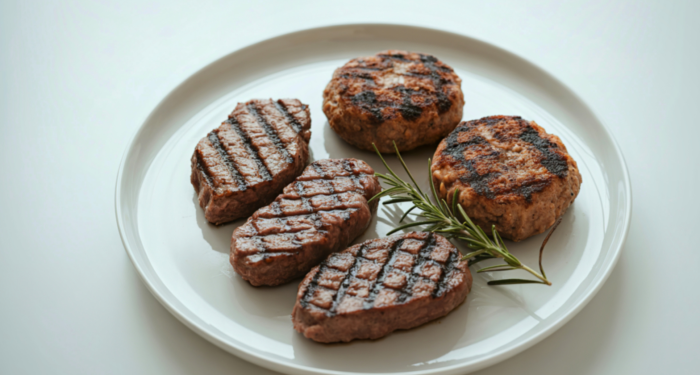
But plant foods are generally less calorie-dense than animal products, so you can eat more volume for fewer calories. It's like getting a bigger plate of food that weighs less on your system.
The weight came off gradually, about two pounds a week. I never felt hungry or deprived. I was eating massive Buddha bowls, bean burritos, veggie stir-fries with tons of rice. Just without the cheese, meat, or eggs I used to add.
My pants fit better and I felt lighter, but the scale wasn't even the interesting part. It was more about how I felt in my body, less bloated and sluggish after meals.
5. My resting heart rate dropped by 8 beats per minute
This one showed up in my fitness tracker data. My resting heart rate went from averaging 68 bpm to 60 bpm over the course of the month. That's a significant improvement in cardiovascular efficiency.
Lower resting heart rate generally indicates better heart health and fitness. I wasn't exercising more than usual, just eating differently. My doctor explained that plant-based diets reduce inflammation and improve blood flow, which makes your heart's job easier.
Athletes have known this for years. More pro athletes are going plant-based for recovery and performance benefits. I'm not training for anything except maybe keeping up with my nephew, but I'll take the heart health upgrade.
6. My grocery bills actually went down by about 30%
Everyone assumes eating healthy costs more. I thought I'd be dropping serious cash at Whole Foods on fancy vegan products. But dried beans, rice, oats, seasonal vegetables, and frozen fruit are genuinely cheap. Way cheaper than meat and cheese.
I spent about $60-70 per week on groceries instead of my usual $90-100. I wasn't buying expensive mock meats or specialty items. Just real food that happens to grow from the ground. Bulk bins became my best friend.
The savings were enough that I could splurge on better quality produce and still come out ahead. That's not nothing when inflation has made everything else more expensive lately.
Final thoughts
Here's what I didn't expect: how normal it would feel after the first week. I thought I'd be white-knuckling it through cravings and feeling deprived. Instead, I found new foods I actually loved and felt better than I had in years.
My doctor was impressed enough that she's now recommending this approach to other patients with similar health markers. The 30-day experiment turned into a permanent shift for me, though I'm not rigid about it. If I want something off-plan occasionally, I have it.
The biggest takeaway is that small changes in what you eat can create measurable changes in how your body functions, faster than you'd think. You don't need to be perfect. You just need to be curious enough to try something different and see what happens.
For me, the data spoke louder than any documentary or article ever could.