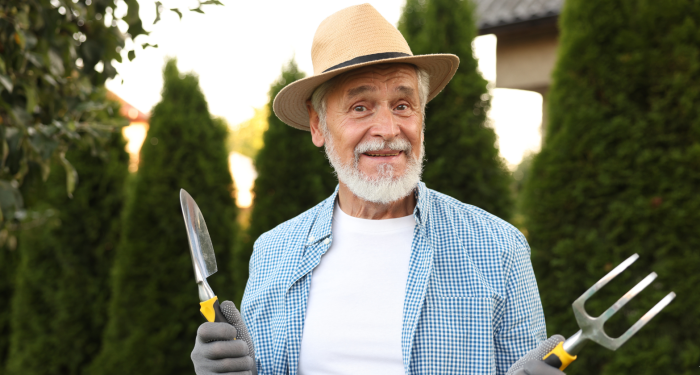
The OG vegans have been at this since before oat milk was cool, and they've got some things to say.

Add VegOut to your Google News feed. 
Look, nobody owns veganism. But the folks who went plant-based back when "vegan cheese" meant nutritional yeast on everything have earned the right to a few eye rolls. They paved the way through decades of terrible mock meats and dinner parties where the only option was iceberg lettuce.
Here's what the elder statespeople of the movement wish the TikTok generation understood.
1. It used to be way harder (and that actually matters)
Younger vegans scroll through Instagram seeing twenty different oat milk brands at every coffee shop. Boomer vegans remember when soy milk came in shelf-stable boxes that tasted like cardboard mixed with hope.
They're not trying to win the suffering Olympics. They just want acknowledgment that the infrastructure you enjoy didn't materialize overnight. Someone had to be the weird person at every restaurant asking if the bread had eggs, slowly convincing the world there was a market here.
That groundwork made your seamless plant-based life possible. A little gratitude goes a long way.
2. Not everything needs to be Instagrammable
The aesthetic pressure is real, and older vegans see it stressing people out. You don't need a Buddha bowl with color-coordinated vegetables arranged in perfect sections. Sometimes dinner is beans on toast, and that's completely fine.
The obsession with making every meal photo-ready can actually turn people away from plant-based eating. It looks expensive, time-consuming, and honestly exhausting. Boomer vegans kept it simple because they had to, and they're still here thriving.
Pretty food is nice. Sustainable habits are better. You can't maintain a lifestyle built on two-hour meal prep sessions forever.
3. Purity politics will burn you out
Older vegans watched countless people flame out because they made veganism into an impossible standard. They've seen the 100% or nothing mentality drive away potential allies and leave true believers exhausted and isolated.
Most long-term vegans learned to pick their battles. They check ingredients but don't interrogate restaurant staff about whether the sugar was bone-char filtered. They focus on the big picture rather than microscopic traces of animal products in adhesives.
This isn't about compromising ethics. It's about building sustainable practices that last decades, not months. Perfectionism helps nobody, least of all the animals.
4. The movement needs diversity of tactics
Some younger activists think there's only one right way to advocate, usually whatever's trending on social media. Boomer vegans have seen multiple waves of activism and know different approaches reach different people.
Aggressive confrontation works for some audiences. Gentle education works for others. Cooking demos, corporate pressure campaigns, legislative work, and yes, even just quietly living your values all move the needle. The most effective movements use multiple strategies simultaneously.
Your way doesn't have to be everyone's way. The goal is reducing animal suffering, not winning style points for your particular brand of activism.
5. Health isn't a moral failing
Older vegans have watched their bodies change over decades. Some developed conditions that required modifications. Some added certain supplements or made adjustments that younger, healthier vegans might judge.
The reality is that bodies are complicated, and a 25-year-old's experience won't match a 65-year-old's. Shaming someone for working with their doctor to address deficiencies or health issues doesn't help animals. It just makes the movement look rigid and uncaring.
Veganism is about reducing harm as far as possible and practicable. That last part matters, especially when we're talking about someone's actual health and wellbeing.
6. Corporations aren't automatically evil for going mainstream
When a major fast-food chain adds a plant-based option, some younger vegans immediately cry sellout. Boomer vegans remember when there were zero options anywhere, and they see the bigger picture.
Yes, these corporations have problematic practices. But their plant-based offerings introduce millions of people to vegan food who would never read your blog or follow your activism. Mainstream availability normalizes plant-based eating faster than any grassroots campaign could alone.
You can criticize corporate ethics while still recognizing that accessibility matters. The animals don't care if someone's gateway to veganism was an Impossible Whopper.
7. Not everyone came to this through ethics
Younger vegans often arrived through animal rights content on social media. Many older vegans came through health, environmentalism, or even just circumstance. Their path wasn't less valid, and policing motivations is counterproductive.
Someone who stays plant-based for climate reasons still isn't eating animals. Someone who started for health and later learned about ethics still counts. The outcome matters more than the origin story.
Building a bigger tent means welcoming people wherever they are. You can share information about ethics without demanding everyone center their entire identity around it immediately.
8. This is a marathon, not a sprint
The intensity younger vegans bring is admirable, but older plant-based folks have learned that sustainable change requires pacing yourself. You can't maintain peak outrage for forty years.
They've developed practices that let them stay committed without burning out. They've learned when to engage and when to step back. They've built lives where veganism is integrated naturally rather than consuming every waking moment.
The movement needs people who last. That means taking care of yourself, maintaining relationships with non-vegans, and remembering that your mental health matters too. You're more useful to animals as a balanced person than a martyred one.
The veterans aren't trying to dampen anyone's enthusiasm. They just know that the long game requires different strategies than the short one. Learn from people who've been doing this since before you were born. Their experience isn't just nostalgia, it's hard-won wisdom that could save you years of unnecessary struggle.
What’s Your Plant-Powered Archetype?
Ever wonder what your everyday habits say about your deeper purpose—and how they ripple out to impact the planet?
This 90-second quiz reveals the plant-powered role you’re here to play, and the tiny shift that makes it even more powerful.
12 fun questions. Instant results. Surprisingly accurate.