Turns out the secret to sustainable vegan living might be less about willpower and more about borrowing a few tricks from across the Atlantic.
I spent two weeks in Portugal last spring, and somewhere between my third pastel de nata (vegan, obviously) and a spontaneous market haul in Lisbon, something clicked. Plant-based eating there just felt easier. Less performative. More like breathing.
It wasn't that Europeans are more virtuous or disciplined. They've just built different systems and habits around food. And honestly? A lot of what makes American veganism feel like a constant uphill battle comes down to infrastructure and mindset, not personal failure.
The good news is that some of these approaches translate pretty well, even if you're navigating a food landscape designed around drive-thrus and supersized portions.
1. They don't treat every meal like a protein emergency
Walk into any American health food store and you'll see protein counts plastered on everything.
Protein bars, protein chips, protein water. It's exhausting. European vegans seem way more relaxed about this, and research from Harvard's School of Public Health backs them up. Most people eating varied diets get plenty of protein without obsessing.
In France or Italy, you'll see plant-based meals built around vegetables, grains, and legumes without the anxious protein math. A simple pasta with white beans and greens is dinner, not a nutritional compromise. This mental shift alone makes cooking feel less like a chemistry exam.
2. They shop small and shop often
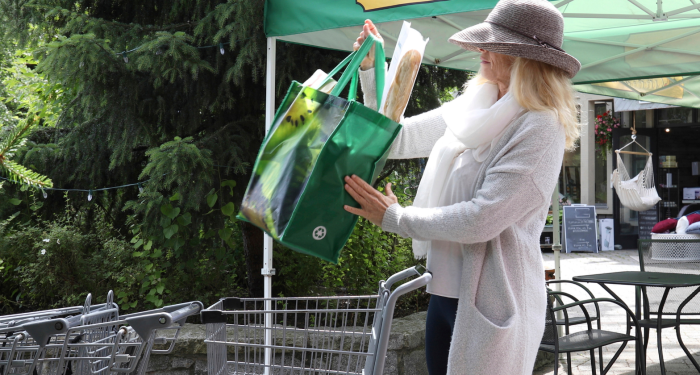
The American approach to groceries typically involves one massive weekly haul, a fridge stuffed with good intentions, and wilted produce by Thursday. European food culture leans toward smaller, more frequent shopping trips. A baguette today, vegetables tomorrow, cheese (the cashew kind) when you need it.
This isn't just charming. It's practical. Smaller trips mean fresher food, less waste, and more flexibility. You're not locked into meal plans that stop making sense by Wednesday. If there's a farmers market or small grocer near you, even one extra midweek trip can change how you relate to your kitchen.
3. They embrace the boring lunch
American food culture has this weird expectation that every meal should be exciting. Instagram-worthy bowls, creative flavor combinations, constant novelty.
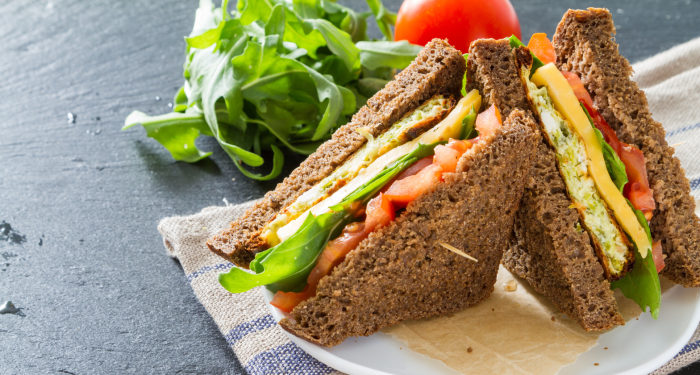
European vegans often eat the same simple lunch for weeks. A sandwich with good bread. A salad with whatever's around. Leftovers from dinner, reheated without apology.
This repetition isn't sad. It's strategic. Decision fatigue is real, and research on willpower shows we make worse choices when we're mentally depleted. Having a default lunch you don't have to think about saves your energy for decisions that actually matter.
4. They let vegetables be the main character
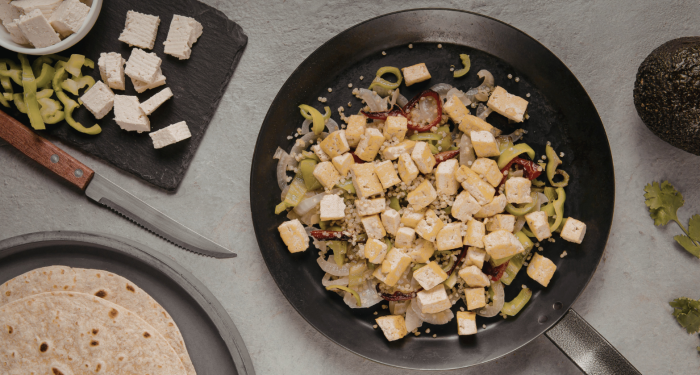
American vegan cooking often tries to replicate meat-centric meals. The burger, the chicken sandwich, the steak. European plant-based eating more often starts with vegetables as the foundation, not a substitute for something else. A roasted cauliflower isn't pretending to be anything. It's just really good cauliflower.
This shift in framing matters psychologically. When you're always eating "instead of" something, there's a built-in sense of lack. When vegetables are the point, not the consolation prize, meals feel complete. Spanish escalivada, French ratatouille, Italian caponata.
These dishes weren't invented to replace meat. They just happen to be plant-based and delicious.
5. They actually sit down to eat
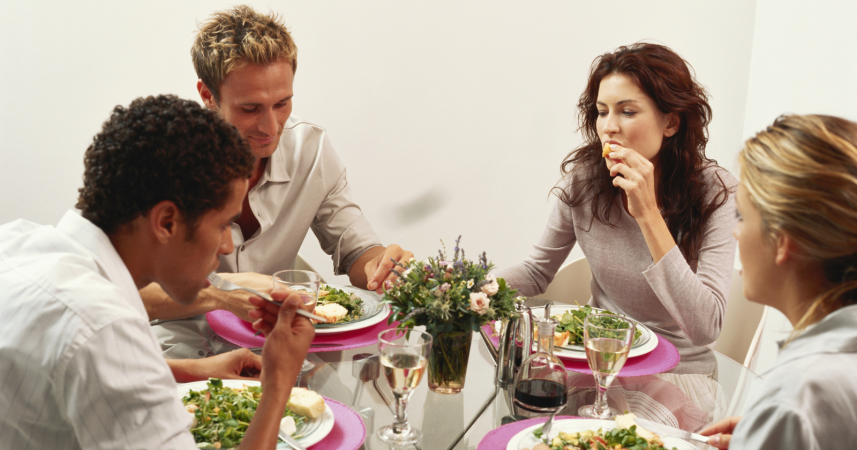
The desk lunch, the car meal, the standing-at-the-counter dinner. Americans have turned eating into a task to complete while doing something else. European food culture still treats meals as events, even small ones. You sit. You use real dishes. You take more than seven minutes.
This isn't about being fancy. It's about satisfaction. When you eat mindfully, you actually register that you've eaten. You taste things. You feel full. Rushed eating often leads to overeating or that weird hollow feeling where you technically had lunch but don't remember it.
6. They don't moralize every food choice
American wellness culture loves to categorize foods as good or bad, clean or dirty, virtuous or sinful. European vegans seem more comfortable with the idea that sometimes you eat a salad and sometimes you eat fries, and neither defines your character. Food is fuel, pleasure, and culture. Not a moral report card.
This relaxed attitude actually makes sustainable eating easier. When you remove the guilt spiral from occasional indulgences, you're less likely to fall into all-or-nothing thinking. One non-ideal meal doesn't derail anything. It's just Tuesday.
7. They trust simple ingredients over specialty products
The American vegan market is flooded with highly processed specialty items. Fake this, mock that, seventeen-ingredient protein blends. European plant-based cooking relies more heavily on basics. Legumes, grains, nuts, seasonal produce, good olive oil. Ingredients your great-grandmother would recognize.
This approach is cheaper, more accessible, and often healthier. You don't need a specialty store to eat well. A pot of lentils, some roasted vegetables, and decent bread can be dinner tonight. No subscription box required.
8. They build food culture around gathering, not restriction
American veganism sometimes gets framed as a list of things you can't have. European plant-based eating more often emphasizes what you're gaining. The long Sunday lunch with friends. The aperitivo hour. The picnic in the park. Food as a social glue, not a solo discipline project.
When eating becomes about connection and pleasure rather than rules and restrictions, it stops feeling like work. You're not white-knuckling your way through a lifestyle. You're just living, and plants happen to be involved.
Final thoughts
None of this requires moving to Barcelona or pretending you have three-hour lunch breaks. It's more about questioning the assumptions baked into American food culture. The protein panic. The meal prep industrial complex. The idea that eating well requires constant effort and expensive products.
European vegans aren't doing anything revolutionary. They're just operating in systems that make plant-based eating feel normal rather than heroic. We can borrow from that playbook. Shop a little smaller. Embrace the boring lunch. Let vegetables shine without apology. Sit down when you eat.
The goal isn't perfection. It's sustainability, in every sense of the word. And sometimes the path to easier plant-based living runs through a very simple question: what if this didn't have to be so hard?
Just launched: Laughing in the Face of Chaos by Rudá Iandê
Exhausted from trying to hold it all together?
You show up. You smile. You say the right things. But under the surface, something’s tightening. Maybe you don’t want to “stay positive” anymore. Maybe you’re done pretending everything’s fine.
This book is your permission slip to stop performing. To understand chaos at its root and all of your emotional layers.
In Laughing in the Face of Chaos, Brazilian shaman Rudá Iandê brings over 30 years of deep, one-on-one work helping people untangle from the roles they’ve been stuck in—so they can return to something real. He exposes the quiet pressure to be good, be successful, be spiritual—and shows how freedom often lives on the other side of that pressure.
This isn’t a book about becoming your best self. It’s about becoming your real self.