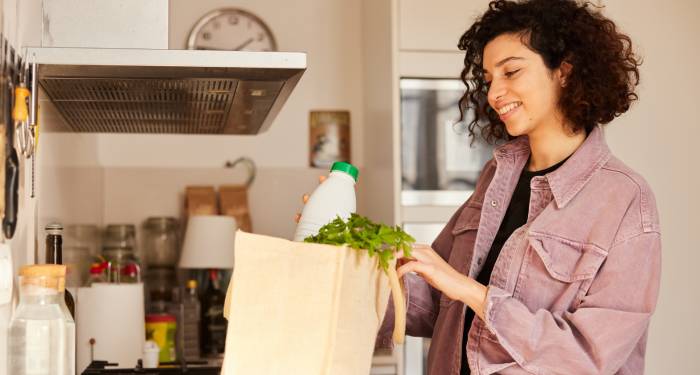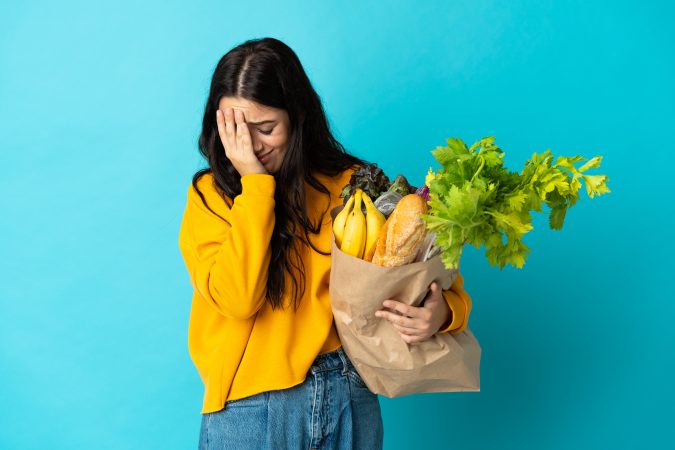
Your plant-based intentions are solid, but your brain has other plans for that ambitious meal prep schedule.
Every January, something magical happens. We convince ourselves that this year will be different. This year, we'll finally nail the perfect plant-based routine. We'll meal prep like influencers, discover the joy of 5 AM smoothies, and become the kind of person who genuinely prefers nutritional yeast on everything.
Here's the thing though. Research on habit formation tells us that willpower alone is basically useless against our deeply ingrained behavioral patterns. It's not about wanting it badly enough. It's about understanding how your brain actually works. So before you write that ambitious list of plant-based promises, let's talk about the resolutions that are statistically doomed. Not to be a buzzkill, but because knowing the traps might actually help you avoid them this time around.
1. I'll meal prep every single Sunday
Ah yes, the crown jewel of wellness culture. You've seen the Instagram grids. Rows of identical glass containers filled with perfectly portioned Buddha bowls. It looks so achievable when someone else does it.
But here's what happens in reality. Sunday rolls around and you're tired from the week. The farmers market was crowded. You forgot to buy tahini. Suddenly, ordering Thai food sounds way more appealing than spending three hours chopping vegetables.
The problem is the all-or-nothing framing. Missing one Sunday feels like failure, so you abandon the whole system. A better approach? Prep just one component, like a big batch of grains or roasted vegetables. Something is always better than the perfect nothing you planned.
2. I'm going fully vegan this year, starting January 1st
Cold turkey transitions rarely stick. I've watched countless friends announce their vegan journey on New Year's Day, only to quietly order cheese pizza by the following weekend. It's not weakness. It's biology and habit working against sudden change.
Flexitarians especially fall into this trap. You've been doing great reducing animal products gradually, then decide January is the month to go all in. But behavioral science research consistently shows that gradual change outperforms dramatic overhauls.
Instead of flipping a switch, try adding one new vegan day per week. Or commit to plant-based breakfasts only. Small wins build momentum. Grand declarations build guilt.
3. I'll finally learn to love tofu
Every year, someone decides this is their tofu redemption arc. They'll master the press, nail the marinade, achieve that crispy exterior they've seen in restaurant dishes. By January 8th, there's a sad block of expired tofu in the fridge.
The issue is treating tofu like a chore to conquer rather than an ingredient to explore. Tofu is genuinely versatile, but forcing yourself to eat something you don't enjoy isn't sustainable. It just creates negative associations.
Maybe you're a tempeh person. Maybe seitan is your protein soulmate. Maybe you just really love beans. There's no plant-based entrance exam requiring tofu mastery. Find what you actually enjoy and build from there.
4. I'll stop buying expensive vegan convenience foods
This resolution sounds so responsible. You'll make your own oat milk. You'll skip the $8 frozen burritos. You'll become a from-scratch purist who scoffs at Beyond Burgers.
Then Wednesday hits. You worked late. The kitchen is a mess. That frozen Amy's burrito is calling your name. And honestly? It should be. Convenience foods exist because convenience matters. Pretending otherwise sets you up for failure.
The real goal should be balance, not elimination. Maybe you make oat milk when you have time and buy it when you don't. Rigid rules about convenience create shame spirals that help nobody.
5. I'll eat more whole foods and less processed stuff
On paper, this sounds unimpeachable. More vegetables, fewer fake meats. More home cooking, less packaged snacks. Your body will thank you, right?
The problem is that "processed" has become a meaningless scare word. Canned beans are processed. Frozen vegetables are processed. Tofu is literally processed soybeans. Drawing hard lines around vague categories creates confusion and guilt.
What usually happens is you start strong, then realize how much mental energy it takes to categorize every food. By mid-January, you're exhausted from the constant evaluation. A more useful frame is asking whether your meals include vegetables and variety. That's it. No purity tests required.
6. I'll finally use all those cookbooks I bought
We all have them. The stack of beautiful plant-based cookbooks purchased with the best intentions. This year, you'll work through them systematically. You'll discover new cuisines. You'll become the kind of person who cooks from actual books.
Reality check: most people use maybe three recipes from any cookbook before it becomes shelf decoration. That's not failure. That's just how cookbooks work. The fantasy of methodically cooking through a book rarely survives contact with real life.
A gentler approach is picking one recipe that genuinely excites you. Just one. Make it a few times until it feels natural. Then maybe pick another. Cookbooks are resources, not assignments.
7. I'll stop snacking and eat proper meals instead
This resolution assumes snacking is inherently problematic. That real adults eat three structured meals and nothing in between. That grazing on hummus and crackers at 4 PM represents some kind of moral failing.
But snacking often serves a purpose. It maintains energy levels. It prevents arriving at dinner so hungry you inhale everything in sight. For many people, smaller frequent eating works better than forcing a three-meal structure.
The real question is whether your eating patterns work for you. If afternoon snacking leads to better dinner choices, that's a feature, not a bug. Imposing arbitrary meal structures because they seem more disciplined usually backfires.
Final thoughts
Look, I'm not saying don't make resolutions. I'm saying make ones that account for how humans actually behave. We're not robots who can reprogram overnight. We're pattern-following creatures who need gradual change, environmental support, and a whole lot of self-compassion.
The vegetarians and flexitarians who actually stick with their goals tend to share one trait. They focus on addition rather than restriction. Adding one new recipe. Adding an extra vegetable serving. Adding a meatless day. It's less dramatic than a total lifestyle overhaul, but it actually works.
So this January, maybe skip the ambitious declarations. Pick one small thing. Make it easy. Make it enjoyable. And when you inevitably have an off day, remember that consistency over time beats perfection every time. Your plant-based journey doesn't need a dramatic New Year's reboot. It just needs you to keep showing up, imperfectly and sustainably.
If You Were a Healing Herb, Which Would You Be?
Each herb holds a unique kind of magic — soothing, awakening, grounding, or clarifying.
This 9-question quiz reveals the healing plant that mirrors your energy right now and what it says about your natural rhythm.
✨ Instant results. Deeply insightful.